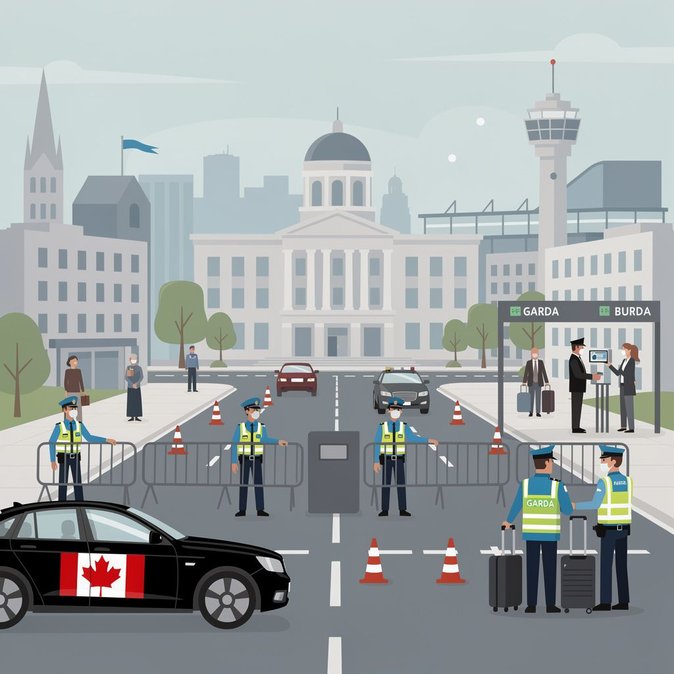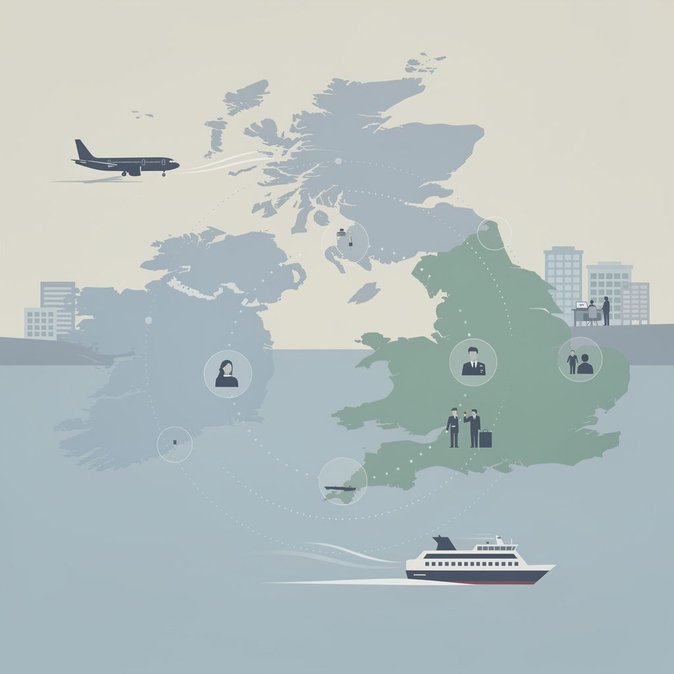
Prime Minister Sir Keir Starmer and Taoiseach Micheál Martin held an emergency call on 12 June 2026, agreeing to “enhance data-sharing and joint intelligence operations” to safeguard the Common Travel Area. The discussion followed riots in Belfast sparked by a stabbing that police say involved an asylum seeker who travelled through Dublin. Both leaders reiterated the CTA’s importance for citizens and commerce but conceded that loopholes are being exploited by organised smuggling networks. UK officials privately told industry stakeholders that a pilot API (Advance Passenger Information) exchange for ferry routes between Holyhead and Dublin could launch before the end of the year. For frequent business travellers, the commitment foreshadows additional identity checks at ports and on air and sea carriers. Ferry operators Stena Line and Irish Ferries expect new manifest-submission deadlines, while airlines are preparing software updates to transmit passport scans pre-departure. Tax advisers caution that any increase in CTA documentation could inadvertently expose short-stay commuter patterns to revenue agencies, prompting residency audits. Companies may need to review payroll treatments for employees who live in one jurisdiction and work in the other. Officials insist there are “no plans” for fixed checkpoints on the land border, but security experts predict more roving patrols and spot-checks—another potential headache for logistics firms that rely on just-in-time deliveries across the island.
Source: UK Government Press Release