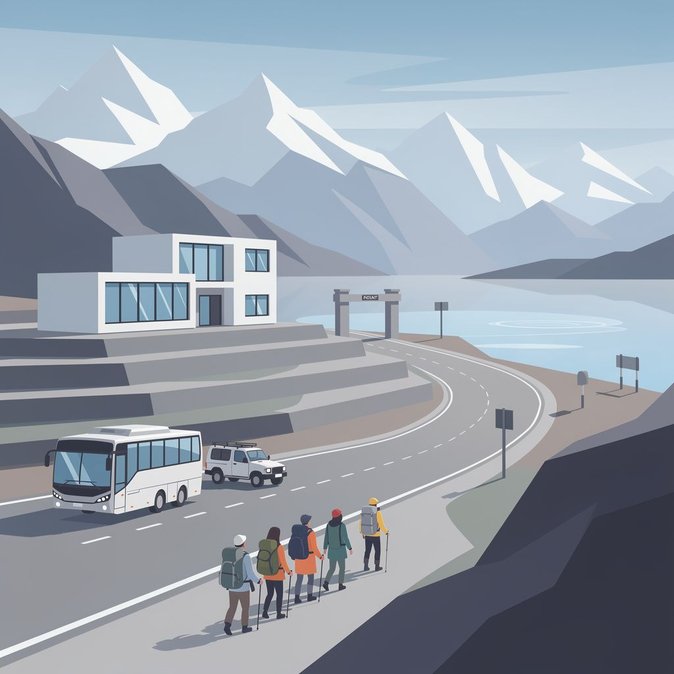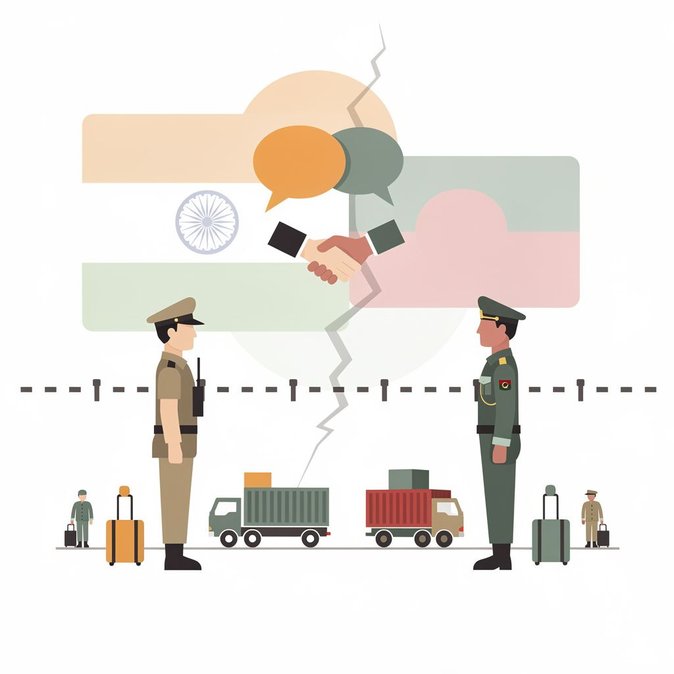
A district court in Siddharthnagar, Uttar Pradesh—just kilometres from the Nepal border—sentenced two Chinese citizens to two years and 15 days in prison on 12 June for crossing into India without visas. The pair, arrested in 2023 after slipping through a remote river-bank route, admitted using Google Maps to navigate the porous frontier en route to Bengaluru, allegedly to seek an audience with the Dalai Lama. The conviction under Section 14(A) of the Foreigners Act 1946 signals a firmer judicial line on illegal entry amid heightened security sensitivities along India’s northern borders.
If you’re unsure which permits or entry documents apply when travelling through India’s complex land borders, VisaHQ can streamline the process. The service provides real-time visa advice, application support and reminders tailored to India-Nepal overland routes, helping travellers and companies avoid costly mistakes like the one above. Check requirements at https://www.visahq.com/india/
Authorities have increasingly used digital mapping data and mobile-phone forensics to prove intentional border breaches, strengthening prosecutions that once faltered for lack of evidence. For foreign businesses moving staff through India-Nepal-China corridors, the message is clear: irregular crossings—even if motivated by personal or religious reasons—carry real jail time. Companies should ensure that project personnel and adventure travellers obtain proper visas, carry stamped passports at land checkpoints and avoid ‘trekking shortcuts’ popular with backpackers. The ruling also places fresh onus on the Sashastra Seema Bal (SSB) and local police to patrol lesser-used crossing points, potentially slowing legitimate trade during random sweeps. Logistics providers moving goods under the BBIN Motor Vehicle Agreement may face extra documentation stops in the short term. Legal analysts expect more such convictions as India rolls out the Immigration Visa Foreigners Registration & Tracking (IVFRT) Phase 2 platform, which integrates border-entry records with courtroom management systems, making prosecution data readily available to magistrates.
If you’re unsure which permits or entry documents apply when travelling through India’s complex land borders, VisaHQ can streamline the process. The service provides real-time visa advice, application support and reminders tailored to India-Nepal overland routes, helping travellers and companies avoid costly mistakes like the one above. Check requirements at https://www.visahq.com/india/
Authorities have increasingly used digital mapping data and mobile-phone forensics to prove intentional border breaches, strengthening prosecutions that once faltered for lack of evidence. For foreign businesses moving staff through India-Nepal-China corridors, the message is clear: irregular crossings—even if motivated by personal or religious reasons—carry real jail time. Companies should ensure that project personnel and adventure travellers obtain proper visas, carry stamped passports at land checkpoints and avoid ‘trekking shortcuts’ popular with backpackers. The ruling also places fresh onus on the Sashastra Seema Bal (SSB) and local police to patrol lesser-used crossing points, potentially slowing legitimate trade during random sweeps. Logistics providers moving goods under the BBIN Motor Vehicle Agreement may face extra documentation stops in the short term. Legal analysts expect more such convictions as India rolls out the Immigration Visa Foreigners Registration & Tracking (IVFRT) Phase 2 platform, which integrates border-entry records with courtroom management systems, making prosecution data readily available to magistrates.