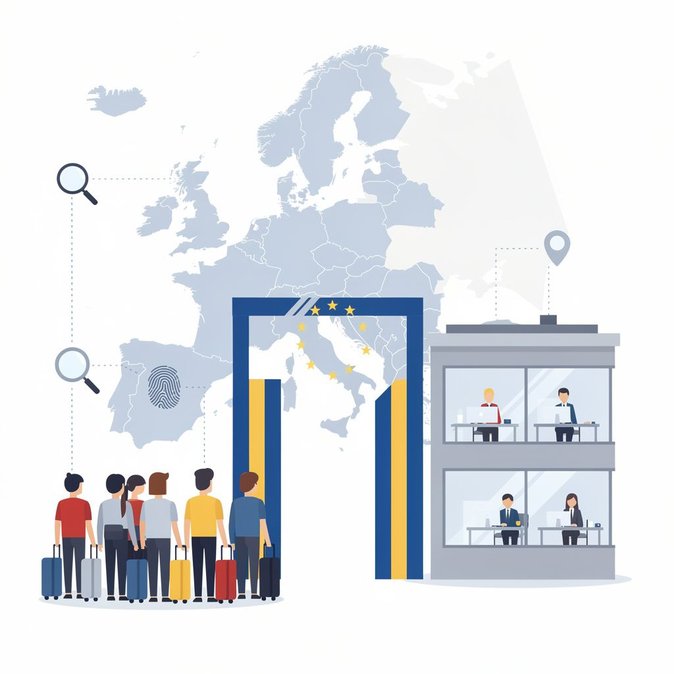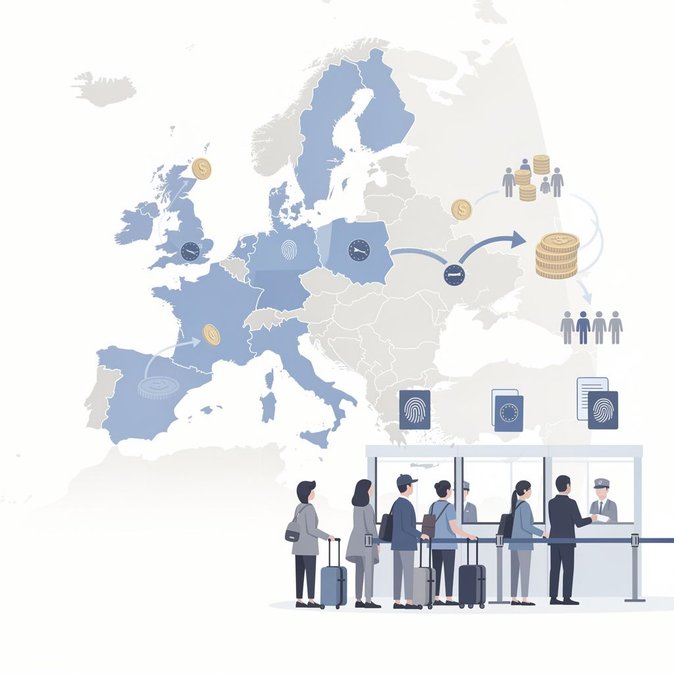
At 00:00 on 12 June the long-debated Common European Asylum System (CEAS) finally became binding law across the EU. Polish media quickly picked up the story: Gazeta.pl described the package as “one of the biggest reforms of EU asylum law”. The reform introduces mandatory pre-screening of irregular arrivals at the external frontier, accelerated procedures for applicants from “safe” countries and a solidarity mechanism that obliges each member state either to relocate asylum-seekers, pay €20 000 per person not accepted, or provide operational support. For Poland the immediate headline is an exemption from the relocation quota, granted in recognition of the 1.2 million Ukrainian refugees already hosted. Yet the exemption is reviewed annually, meaning companies that rely on trans-border talent flows must monitor Brussels-Warsaw negotiations closely. Employers planning intra-company transfers should expect tighter identity checks at the Belarusian and Ukrainian borders as the new border procedure regulation obliges guards to collect biometrics and run them against EU databases before entry is authorised. Legal advisers point out that the package also modernises return rules, potentially shortening the time that non-compliant assignees can remain in Poland after a negative decision. HR departments are therefore urged to audit the documentation of third-country nationals whose status depends on pending protection claims. “It’s not a revolution but it changes many details of day-to-day case-handling,” notes Mateusz Krępa from the University of Warsaw’s Centre for Migration Research. For business travellers the most visible short-term impact will be sporadic delays at land crossings while officers familiarise themselves with the new IT workflows. Airlines have not announced schedule changes, but travel managers should budget extra time for Schengen entry during the summer peak. In the medium term, experts expect the CEAS databases to integrate with the Entry/Exit System (EES) and the upcoming ETIAS travel authorisation—another layer of compliance multinational companies must track.
Source: Gazeta.pl / Next