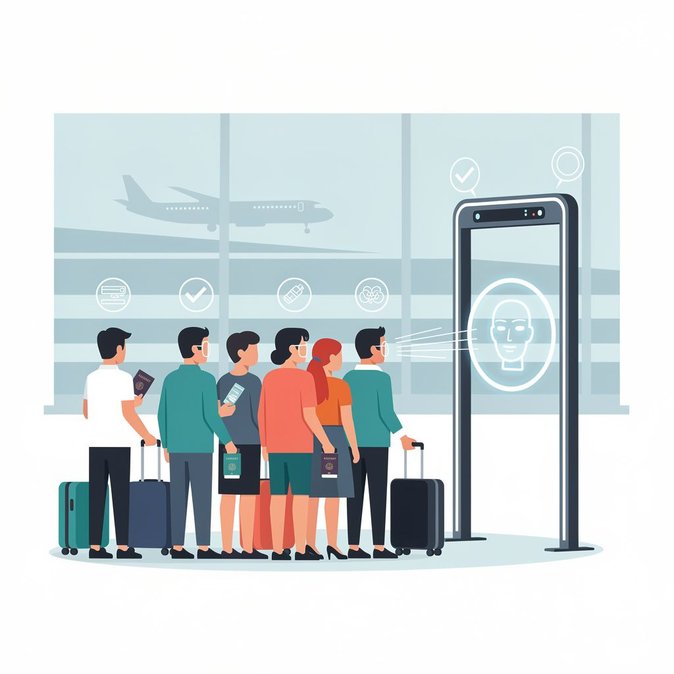
As of 1 June 2026, international passengers transiting through Delhi, Mumbai, Bengaluru and Hyderabad airports must use the DigiYatra biometric system, the Ministry of Civil Aviation has confirmed. While DigiYatra has been optional for domestic flyers since its 2022 debut, the new rule makes facial-recognition checkpoints compulsory for outbound travellers at India’s four busiest international gateways.
In this context, travellers who want extra peace of mind that their passports, visas and personal details are perfectly aligned before hitting the new DigiYatra e-gates can turn to VisaHQ. The service offers quick online checks for name mismatches, passport validity reminders and fast visa procurement for more than 200 jurisdictions—all from a single dashboard. Global-mobility teams can learn more at https://www.visahq.com/india/
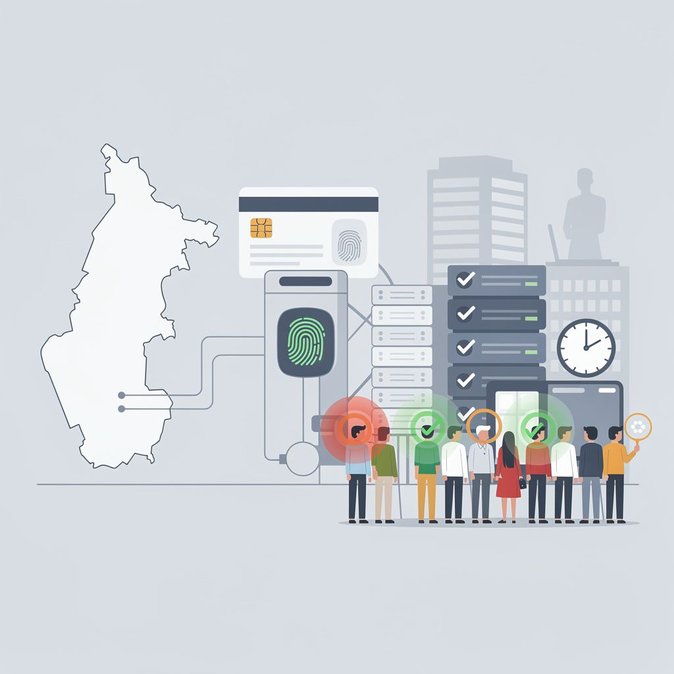
To enrol, passengers upload an Aadhaar-verified selfie and boarding pass to the DigiYatra app at least 48 hours before departure. At the airport, e-gates match the live image to an encrypted template, eliminating repeated boarding-pass scans at security, immigration and boarding zones. Officials say the shift reduces average transit time by 30 percent and helps de-congest peak-hour queues. For global-mobility teams the mandate has immediate implications. Expatriates whose Aadhaar details do not match their passport—for instance, due to maiden-name variations—must update records in advance to avoid e-gate failures. Foreign nationals without Aadhaar are exempt but must follow a manual processing lane that could become a bottleneck. Airlines are advising corporate travellers to purchase seat assignments early, because a confirmed boarding pass is required to complete DigiYatra registration. Travel-management companies should update pre-trip checklists and ensure data-privacy notices reflect the facial-recognition capture. The ministry plans to extend mandatory biometric processing to Chennai and Kochi later this year. Combined with DigiYatra’s forthcoming overseas pilots, India is positioning itself as an early adopter of a full-stack digital travel journey—from enrolment to boarding and, eventually, arrival clearance.
In this context, travellers who want extra peace of mind that their passports, visas and personal details are perfectly aligned before hitting the new DigiYatra e-gates can turn to VisaHQ. The service offers quick online checks for name mismatches, passport validity reminders and fast visa procurement for more than 200 jurisdictions—all from a single dashboard. Global-mobility teams can learn more at https://www.visahq.com/india/
To enrol, passengers upload an Aadhaar-verified selfie and boarding pass to the DigiYatra app at least 48 hours before departure. At the airport, e-gates match the live image to an encrypted template, eliminating repeated boarding-pass scans at security, immigration and boarding zones. Officials say the shift reduces average transit time by 30 percent and helps de-congest peak-hour queues. For global-mobility teams the mandate has immediate implications. Expatriates whose Aadhaar details do not match their passport—for instance, due to maiden-name variations—must update records in advance to avoid e-gate failures. Foreign nationals without Aadhaar are exempt but must follow a manual processing lane that could become a bottleneck. Airlines are advising corporate travellers to purchase seat assignments early, because a confirmed boarding pass is required to complete DigiYatra registration. Travel-management companies should update pre-trip checklists and ensure data-privacy notices reflect the facial-recognition capture. The ministry plans to extend mandatory biometric processing to Chennai and Kochi later this year. Combined with DigiYatra’s forthcoming overseas pilots, India is positioning itself as an early adopter of a full-stack digital travel journey—from enrolment to boarding and, eventually, arrival clearance.