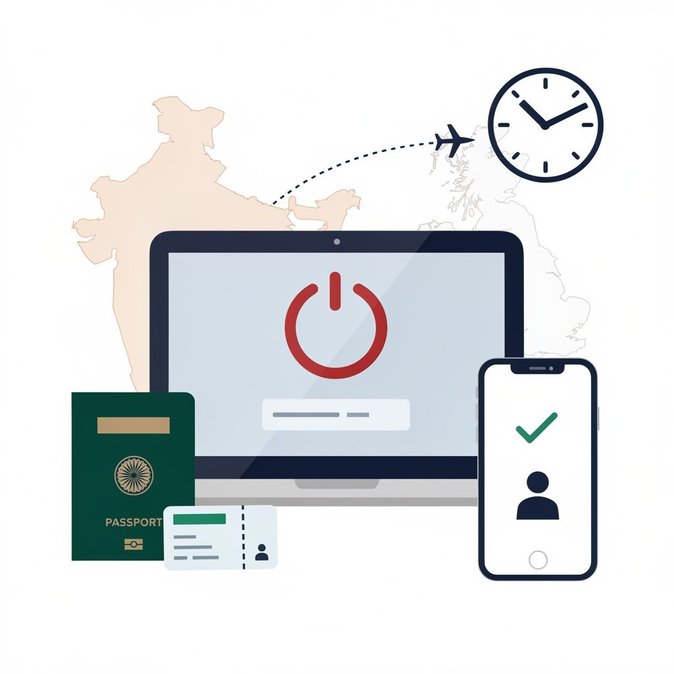
Indian Customs’ electronic gateway ICEGATE issued an on-screen advisory on 14 June noting that Bills of Entry claiming duty exemption under the ASEAN–India Free Trade Area (AIFTA) notification were rejected on 13 and 14 June with error code 999. The Directorate of Systems attributes the fault to a software patch deployed last week and says engineers are working “on priority” to restore functionality. Importers of electronics, automotive components and textiles—sectors that heavily use AIFTA concessional rates—face potential demurrage if clearance windows expire. Logistics managers should consider filing under standard duty rates and seeking refunds later, or hold cargo at trans-shipment hubs until a fix is confirmed. Forwarders moving just-in-time consignments for multinational manufacturing sites in Chennai and Pune report that manual assessment queues are already 24–36 hours long. The glitch arrives days before a separate, previously announced full-portal maintenance shutdown from 22: 00 hrs on 20 June to 07: 30 hrs the next morning. Customs brokers must therefore plan two waves of disruption: the current error affecting AIFTA entries and the weekend-long blackout for all ICEGATE services, including e-payments and manifests. Corporate trade-compliance teams are advised to circulate the advisory to suppliers in ASEAN states and to monitor ICEGATE’s Twitter feed for real-time patches. Companies may also invoke force-majeure clauses in supply contracts where late delivery penalties apply. While ICEGATE has pioneered automated clearances, the episode underlines systemic vulnerabilities. Industry bodies are pressing the Central Board of Indirect Taxes and Customs (CBIC) to introduce a fallback filing window or expand the ‘faceless assessment’ roster so that other customs houses can share the load when a single exemption module fails.
Source: ICEGATE system advisory