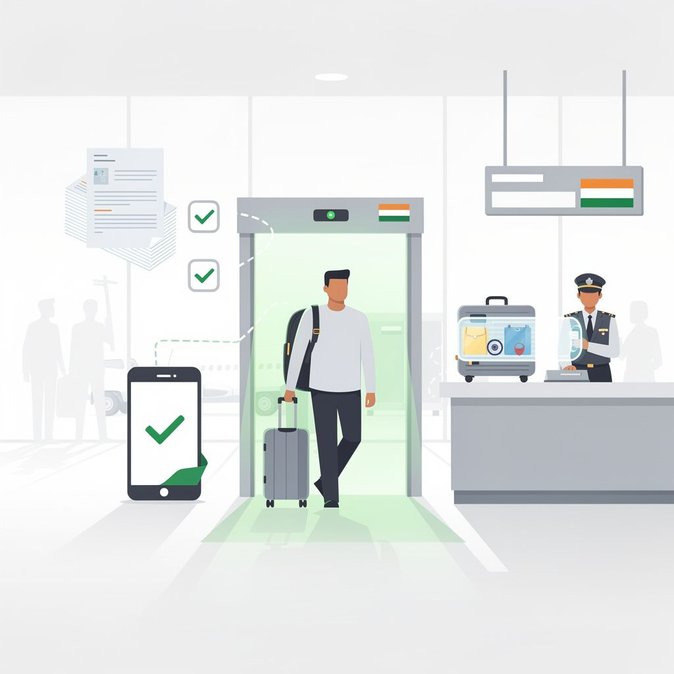
The Ministry of Finance has released a consolidated “Master Circular” alongside new Baggage Rules 2026 and Customs Baggage (Declaration and Processing) Regulations 2026, last updated on 15 June 2026. The circular streamlines allowances, expands electronic self-declaration and clarifies duty-free concessions for returning residents, expatriates transferring residence and business travellers. Key changes include: (1) an expanded General Free Allowance pegged to currency depreciation; (2) duty-free import of one laptop for travellers over 18; (3) simplified rules for temporary exports—useful for professionals carrying sampling equipment or trade-show materials; and (4) formal recognition of pets as accompanying baggage subject to veterinary clearance, eliminating a grey area often flagged by relocating employees. Customs has rolled out an optional e-declaration portal that enables passengers to pre-file forms and generate a QR code, reducing wait-times at red-channel counters. The portal is integrated with DigiYatra facial recognition at Delhi and Bengaluru airports, and will expand to Mumbai and Hyderabad by fiscal Q4. For mobility managers, the most immediate benefit is predictability. The circular consolidates 48 disparate notifications and will serve as a single reference for assignees, eliminating confusion over jewellery allowances and transfer-of-residence benefits. Companies should refresh relocation handbooks, particularly the caps on household goods (now ₹500,000) and the 36-month lock-in period for subsequent claims. Failure to comply remains costly: customs can levy up to 60 % duty plus penalties on undeclared items. The Central Board of Indirect Taxes and Customs (CBIC) says it will run awareness campaigns through airlines and VFS centres overseas to ensure that high-volume routes—Dubai, Singapore, London—see smooth adoption by the 1 August implementation date.
Source: Akashvani News