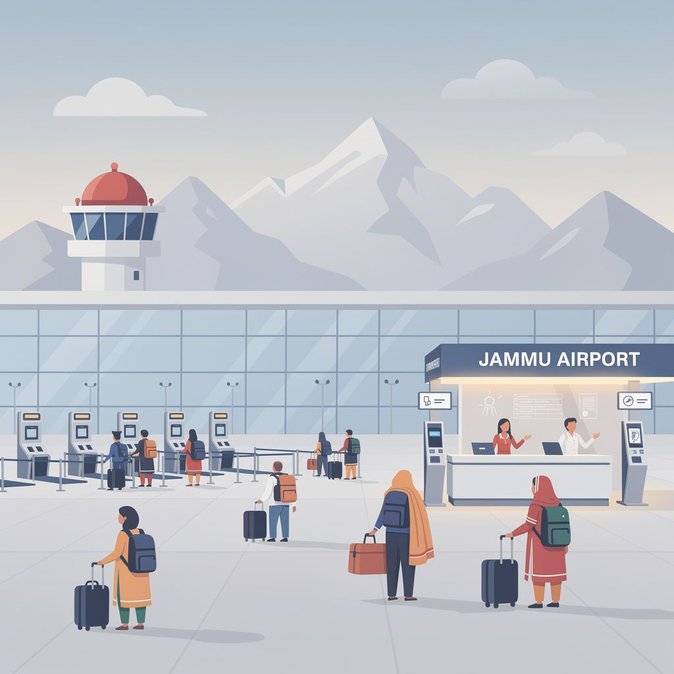
Jammu Airport held its first ‘Yatri Suvidha Diwas’ (Passenger Amenity Day) on 15 June 2026, unveiling extra help-desks, information kiosks and security lanes designed to handle the annual surge of Amarnath pilgrims. Airport Director Devender Yadav said passenger throughput during the yatra peaks at 18,000 per day—triple the off-season average—and that the new measures will remain in place through August.
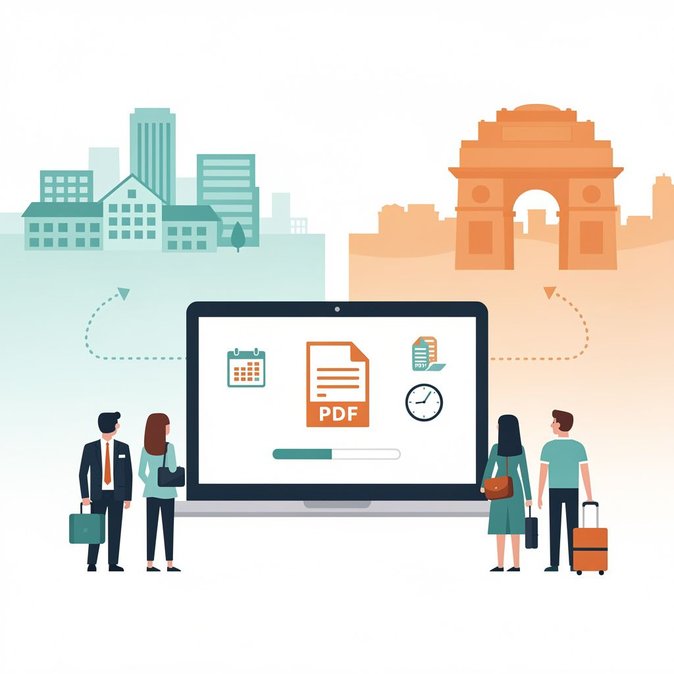
International pilgrims and corporate teams heading to Jammu often start planning with visa paperwork. VisaHQ’s online portal (https://www.visahq.com/india/) simplifies Indian e-Visa and sticker-visa applications, provides real-time status updates and offers expert checks that reduce rejection risk—handy when travel dates are tied to fixed yatra slots or charter schedules.
The initiative supplements a terminal-expansion project that will lift capacity from 2 million to 4.5 million passengers annually by 2028. For mobility planners arranging charter flights or corporate CSR trips to the region, the airport now offers pre-bookable group check-in counters, dedicated CISF security lanes and a liaison cell linking airlines with state police regarding road-convoy timing. Yadav confirmed that facial-recognition boarding under the DigiYatra platform will be tested on select Go First and SpiceJet flights during the pilgrimage window. Pilgrims will also receive SMS alerts on weather-related flight disruptions, a frequent challenge in the monsoon-prone Jammu valley. Corporate travel managers sending teams to Jammu for infrastructure or defence projects should note temporary peak-day slot restrictions: only aircraft below Code C (B737/A320) are cleared between 11:00 and 14:00 to prioritise helicopter rescues and military movements. Companies are advised to avoid tight connections in Delhi or Srinagar during this period. ‘Yatri Suvidha Diwas’ feeds into a larger push by the Airports Authority of India to hold quarterly passenger-amenity audits across tier-II airports, reflecting the government’s goal of improving seamless travel for both religious tourism and strategic industries in border states.
International pilgrims and corporate teams heading to Jammu often start planning with visa paperwork. VisaHQ’s online portal (https://www.visahq.com/india/) simplifies Indian e-Visa and sticker-visa applications, provides real-time status updates and offers expert checks that reduce rejection risk—handy when travel dates are tied to fixed yatra slots or charter schedules.
The initiative supplements a terminal-expansion project that will lift capacity from 2 million to 4.5 million passengers annually by 2028. For mobility planners arranging charter flights or corporate CSR trips to the region, the airport now offers pre-bookable group check-in counters, dedicated CISF security lanes and a liaison cell linking airlines with state police regarding road-convoy timing. Yadav confirmed that facial-recognition boarding under the DigiYatra platform will be tested on select Go First and SpiceJet flights during the pilgrimage window. Pilgrims will also receive SMS alerts on weather-related flight disruptions, a frequent challenge in the monsoon-prone Jammu valley. Corporate travel managers sending teams to Jammu for infrastructure or defence projects should note temporary peak-day slot restrictions: only aircraft below Code C (B737/A320) are cleared between 11:00 and 14:00 to prioritise helicopter rescues and military movements. Companies are advised to avoid tight connections in Delhi or Srinagar during this period. ‘Yatri Suvidha Diwas’ feeds into a larger push by the Airports Authority of India to hold quarterly passenger-amenity audits across tier-II airports, reflecting the government’s goal of improving seamless travel for both religious tourism and strategic industries in border states.