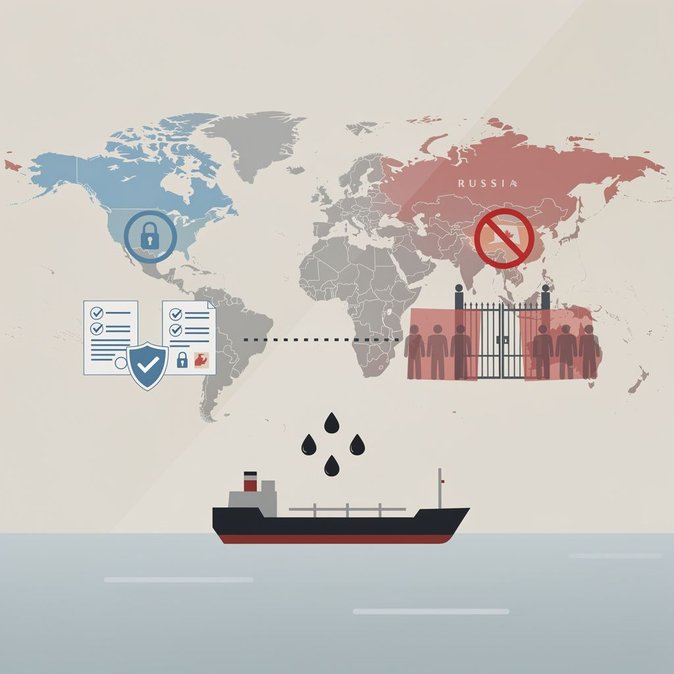
Following Prime Minister Mark Carney’s G7 announcement of new sanctions on Russia’s so-called oil ‘shadow fleet’, Moscow released a list on June 16 barring 103 Canadian officials and public figures from entering Russia. Canada’s measures hit shipping insurers, energy traders and logistics firms alleged to facilitate sanctioned crude movements, while Russia’s counter-measures expand an existing travel-ban roster. Although few Canadian executives currently travel to Russia, the tit-for-tat restrictions complicate logistical planning for companies operating joint ventures in third-country hubs such as Dubai or Istanbul, where Russian and Canadian staff might meet. Sanctioned entities also face heightened due-diligence obligations under Canada’s Special Economic Measures Act; inadvertent dealings with the shadow fleet could trigger fines or imprisonment. Export-oriented firms should conduct immediate screening of counterparties, vessels and finance intermediaries. Travel managers must verify whether Canadian employees appear on Russia’s blacklist before scheduling multilateral project meetings in Russia-aligned jurisdictions such as Belarus or parts of Central Asia that share immigration databases.
![Russia bans 103 Canadians after Ottawa targets ‘shadow fleet’—business travel routes tighten]()
In this fluid environment, VisaHQ’s Canadian portal (https://www.visahq.com/canada/) can help organizations and individual travelers navigate changing entry, transit and sanction rules, arrange alternative routing visas when Russian airspace or border points are off-limits, and offer automated watch-list screening that keeps corporate itineraries compliant.
Air-routing options are already limited because most European carriers avoid Russian airspace. The new bans may prompt Russia to tighten transit-visa issuance for Canadians changing planes in Moscow or St Petersburg, adding time and cost to supply-chain visits. With USMCA renewal talks looming, Ottawa is expected to coordinate further transport sanctions with allies, potentially widening the impact on freight forwarders and marine insurers headquartered in Canada.
In this fluid environment, VisaHQ’s Canadian portal (https://www.visahq.com/canada/) can help organizations and individual travelers navigate changing entry, transit and sanction rules, arrange alternative routing visas when Russian airspace or border points are off-limits, and offer automated watch-list screening that keeps corporate itineraries compliant.
Air-routing options are already limited because most European carriers avoid Russian airspace. The new bans may prompt Russia to tighten transit-visa issuance for Canadians changing planes in Moscow or St Petersburg, adding time and cost to supply-chain visits. With USMCA renewal talks looming, Ottawa is expected to coordinate further transport sanctions with allies, potentially widening the impact on freight forwarders and marine insurers headquartered in Canada.