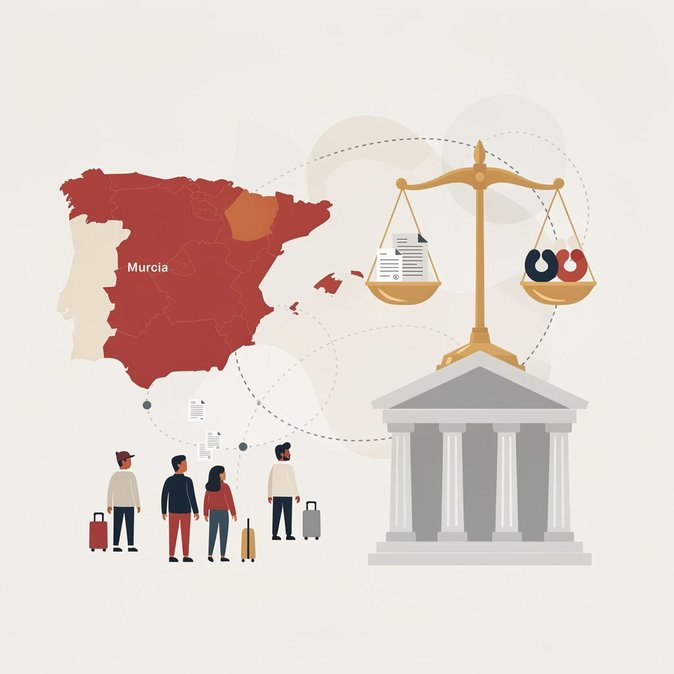
The legal battle over Royal Decree 316/2026 has reached Spain’s highest court. On 16 June, the Supreme Court’s Third Chamber formally admitted a suit filed by the Region of Murcia seeking to annul the decree on constitutional grounds. Murcia’s conservative government argues that the national amnesty violates the principles of “loyal cooperation” and imposes unfunded administrative burdens on the autonomous communities, which must verify residency evidence and issue social-integration reports. The court’s acceptance of the case does not suspend the current application window, but it sets the stage for a ruling that could retroactively affect permits issued under the scheme. Legal scholars say the court is unlikely to strike down the entire decree; more plausible outcomes include procedural tweaks or compensation for regional governments forced to hire extra staff. For employers and migrants, the takeaway is to continue filing—permits granted before a potential judgment would remain valid unless expressly revoked. Immigration lawyers nonetheless recommend keeping a compliance folder that details how each eligibility criterion was met, in case future renewals face tighter scrutiny. The Murcia challenge adds political heat: several other PP-led regions, including Andalusia and Madrid, are reportedly weighing similar lawsuits. A fragmented legal landscape could complicate the government’s goal of resolving half a million irregular situations before Spain takes over the EU Council’s rotating presidency in 2027.