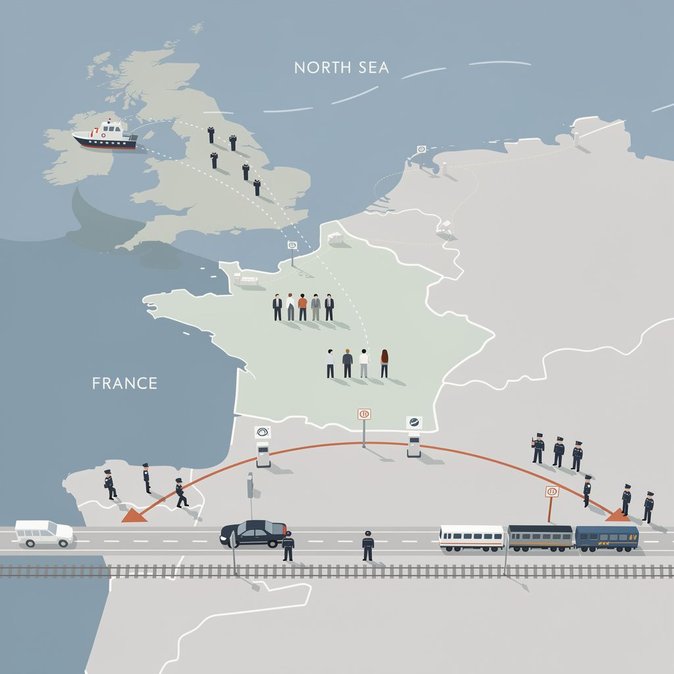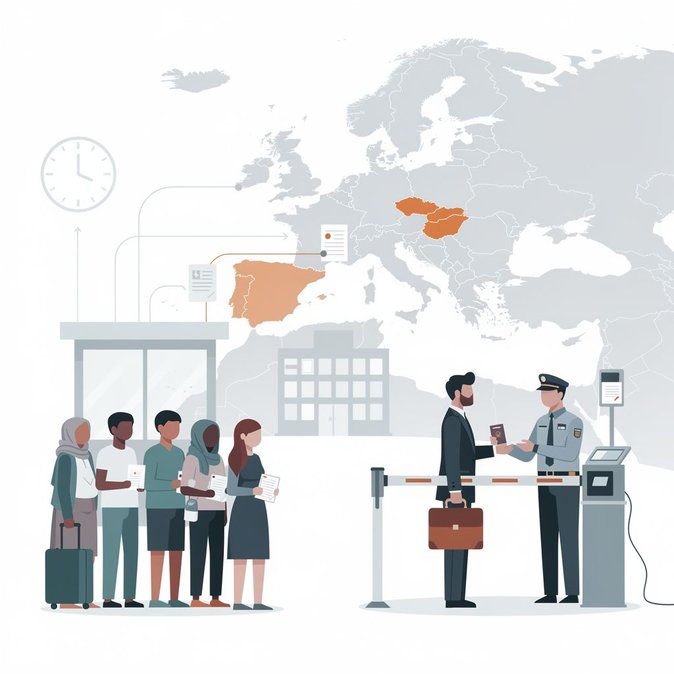
Although the EU Pact on Migration and Asylum entered into force on 12 June, French prefectures began applying it in earnest this week, coinciding with an implementation circular and a sweeping decree published in the Official Gazette. The decree (No 2026-454 of 6 June) amends more than 120 articles of the CESEDA, replacing France’s domestic “safe-country” filter with the EU’s common border procedure and introducing a mandatory biometric enrolment within three days of arrival. From 18 June, asylum officers at Roissy-Charles-de-Gaulle, Marseille Port and the Eurotunnel site in Calais started using a new digital checklist aligned with EU Regulation 2024/1358, reducing initial-screening time from 72 to 24 hours. OFPRA expects the change to cut average processing from 10 months to six, freeing capacity for economic-migration dossiers such as Passeport-Talent and ICT permits. Corporate-mobility teams should be aware of knock-on effects: resources freed from lengthy asylum processing are being redeployed to the préfectures’ foreign-labour units, which could shorten work-permit queues by autumn. However, tougher “border procedure” rules mean staff seconded to frontier plants (e.g., Dunkirk, Menton) must carry proof of accommodation and assignment letters at all times; failure to present documents could now trigger a five-day retention order pending identity checks. Law firms advise HR to refresh compliance trainings and ensure posted-worker files include health-insurance attestations and return tickets—both expressly required under the new CESEDA articles. A first evaluation report is due in December 2026, but the interior ministry hopes the digital overhaul will serve as a model for other member states.