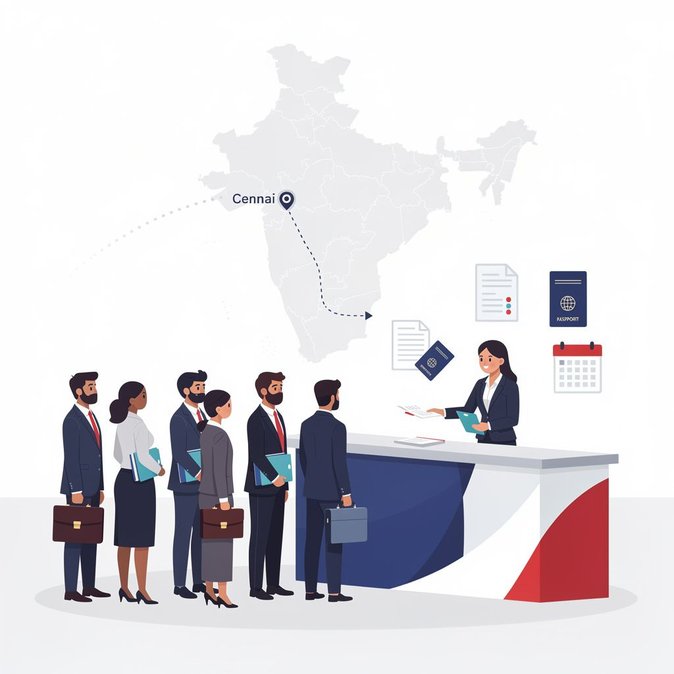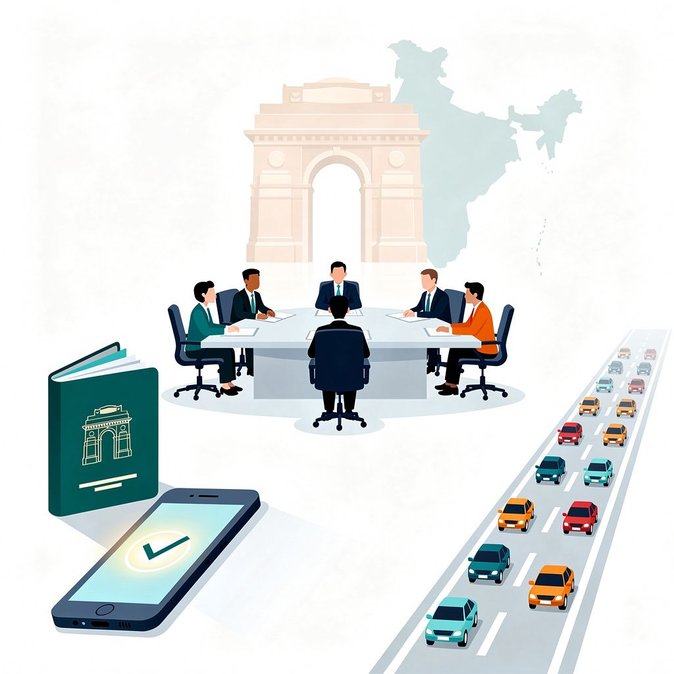
The Ministry of External Affairs confirmed on 20 June that India will host the BRICS National Security Advisers’ Meeting in New Delhi from 22–23 June 2026. Although the summit falls under the security rather than economic track, it will trigger a mini-surge in diplomatic travel: more than 200 officials from Brazil, Russia, China, South Africa and the newly-admitted BRICS+ members are expected. MEA sources told Telangana Today that the Bureau of Immigration has activated the ‘Conference Visa Fast Lane’, allowing accredited delegates to receive electronic Conference Visas within 48 hours and collect physical stickers on arrival. The e-system was first tested during the G20 presidency but will now be extended to BRICS events.
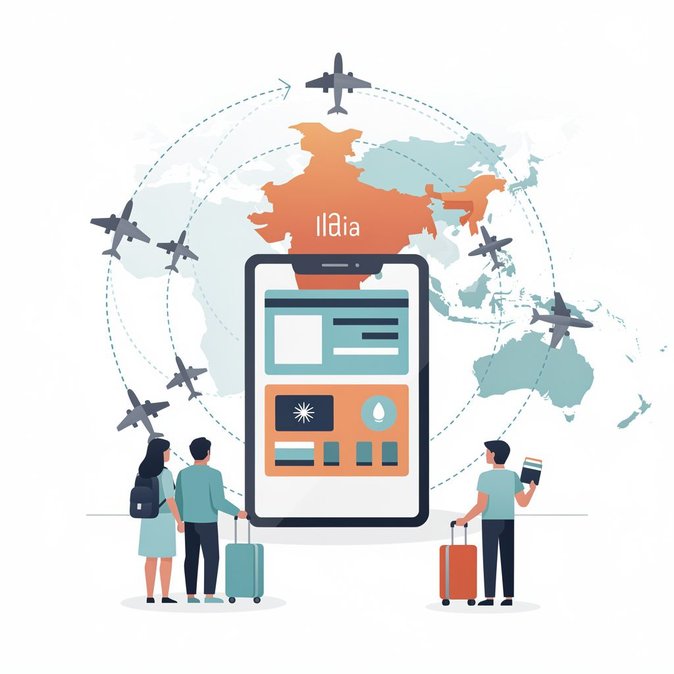
Should any corporate travellers, media crews or service vendors require help securing the right paperwork outside the official fast lane, VisaHQ’s India team can streamline the entire visa process. Their online portal (https://www.visahq.com/india/) offers up-to-date entry requirements, application tracking and document couriering—providing a practical safety net for companies supporting the summit or any other India-bound assignment.
Security protocols will also affect domestic mobility. From 21 June midnight, heightened airport screening will apply on the Delhi-Mumbai, Delhi-Bengaluru and Delhi-Hyderabad sectors, where delegations are connecting. Airlines have been asked to allocate front-row blocks to official parties to enable rapid disembarkation under police escort. For multinational companies, spill-over disruption is most likely in Delhi’s central business district, where road closures around the summit venue could add an hour to airport transfers. Travel managers should brief inbound assignees and adjust pick-up times. The meeting agenda—centred on non-traditional security threats including cyber-attacks and AI misuse—also hints at future cooperation that could shape cross-border data flows and, by extension, business mobility programmes which rely on seamless digital documentation.
Should any corporate travellers, media crews or service vendors require help securing the right paperwork outside the official fast lane, VisaHQ’s India team can streamline the entire visa process. Their online portal (https://www.visahq.com/india/) offers up-to-date entry requirements, application tracking and document couriering—providing a practical safety net for companies supporting the summit or any other India-bound assignment.
Security protocols will also affect domestic mobility. From 21 June midnight, heightened airport screening will apply on the Delhi-Mumbai, Delhi-Bengaluru and Delhi-Hyderabad sectors, where delegations are connecting. Airlines have been asked to allocate front-row blocks to official parties to enable rapid disembarkation under police escort. For multinational companies, spill-over disruption is most likely in Delhi’s central business district, where road closures around the summit venue could add an hour to airport transfers. Travel managers should brief inbound assignees and adjust pick-up times. The meeting agenda—centred on non-traditional security threats including cyber-attacks and AI misuse—also hints at future cooperation that could shape cross-border data flows and, by extension, business mobility programmes which rely on seamless digital documentation.