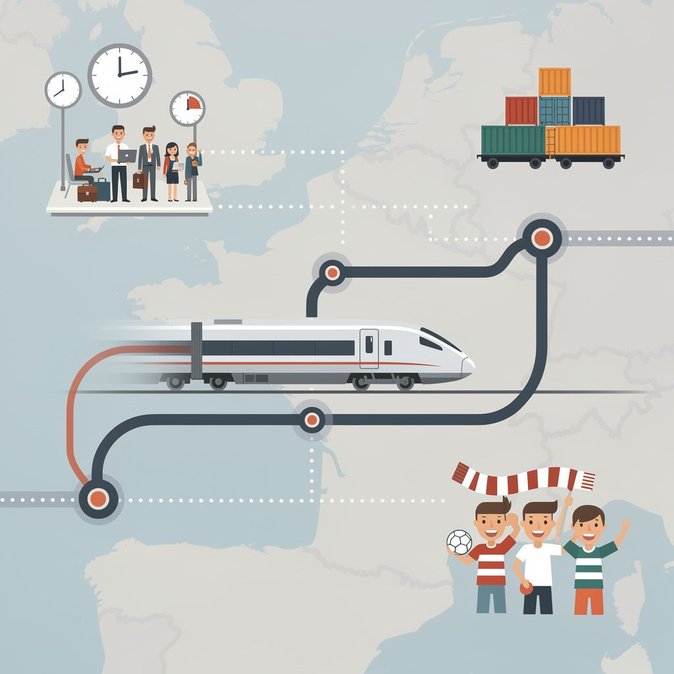
International rail passengers woke up on Sunday, 21 June 2026, to find their usual high-speed link between Brussels and Amsterdam re-routed via the slower Roosendaal line. SNCB International warned that all EuroCity and Eurocity Direct services on the Dutch side of the border would bypass the HSL-South and instead snake through Roosendaal for the whole weekend. The detour, caused by track-renewal works around Rotterdam and Schiphol, adds between 30 and 45 minutes to what is normally a sub-two-hour journey.
If the reroute means making additional cross-border stops or extending your stay, be sure your travel paperwork keeps pace. VisaHQ’s Belgium portal (https://www.visahq.com/belgium/) can expedite Schengen visa applications or last-minute transit permits and even lets corporate travel managers track multiple employee requests in one dashboard—extra peace of mind when unpredictable rail works upend business itineraries.
Although domestic Dutch passengers could switch to local Sprinter services, through-tickets for Belgian business travellers were automatically honoured on the diverted EuroCity trains, with seat reservations kept intact. For corporates that rely on the rail corridor for same-day meetings in the Randstad, the disruption is more than a minor nuisance. Consultancy Deloitte Belgium told Global Mobility News that 18 % of its Benelux staff assignments involve Monday-morning rail travel; managers have been advised to schedule virtual kick-offs or travel the night before. Forwarders using rail-and-ride solutions for high-value parcels also faced timetable resets, underlining the knock-on effects for just-in-time supply chains. SNCB says the engineering window was deliberately scheduled outside the weekday peak but admits that summer-holiday traffic and football World-Cup fan travel exacerbate weekend demand. Business travellers are urged to build in at least an hour of contingency and to keep digital tickets handy for spot checks on the Dutch side, where temporary border controls remain in force. EuroCity services are expected to return to their normal high-speed route at 04:00 on Monday, 22 June.

If the reroute means making additional cross-border stops or extending your stay, be sure your travel paperwork keeps pace. VisaHQ’s Belgium portal (https://www.visahq.com/belgium/) can expedite Schengen visa applications or last-minute transit permits and even lets corporate travel managers track multiple employee requests in one dashboard—extra peace of mind when unpredictable rail works upend business itineraries.
Although domestic Dutch passengers could switch to local Sprinter services, through-tickets for Belgian business travellers were automatically honoured on the diverted EuroCity trains, with seat reservations kept intact. For corporates that rely on the rail corridor for same-day meetings in the Randstad, the disruption is more than a minor nuisance. Consultancy Deloitte Belgium told Global Mobility News that 18 % of its Benelux staff assignments involve Monday-morning rail travel; managers have been advised to schedule virtual kick-offs or travel the night before. Forwarders using rail-and-ride solutions for high-value parcels also faced timetable resets, underlining the knock-on effects for just-in-time supply chains. SNCB says the engineering window was deliberately scheduled outside the weekday peak but admits that summer-holiday traffic and football World-Cup fan travel exacerbate weekend demand. Business travellers are urged to build in at least an hour of contingency and to keep digital tickets handy for spot checks on the Dutch side, where temporary border controls remain in force. EuroCity services are expected to return to their normal high-speed route at 04:00 on Monday, 22 June.