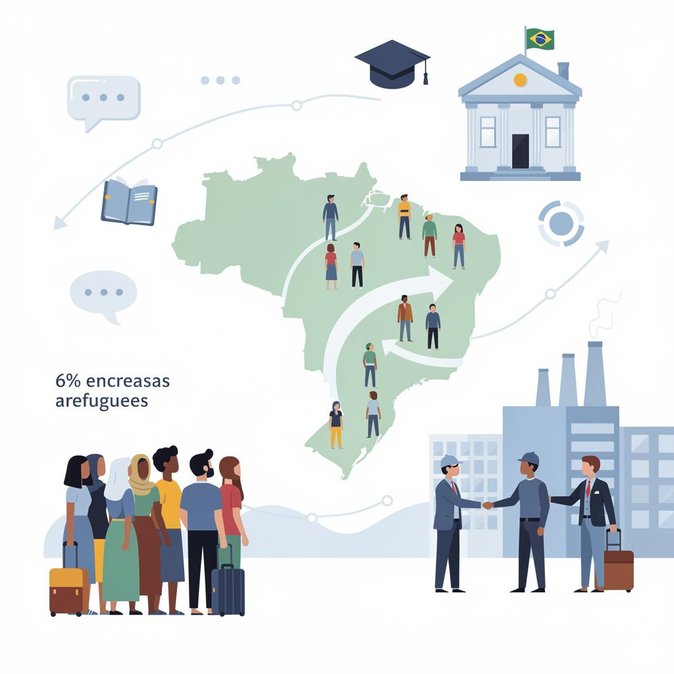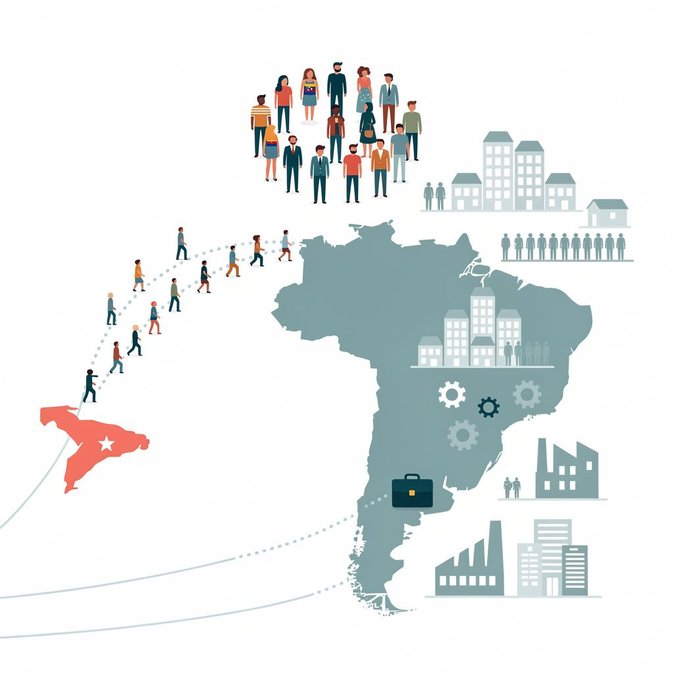
A statistical bulletin published on 22 June 2026 by the Observatório das Migrações Internacionais (OBMigra) reveals a striking shift in Brazil’s asylum landscape: Cuban nationals lodged 41,919 applications in 2025, up 88 % year-on-year and enough to dethrone Venezuelans, who had topped the ranking since 2017. The report, compiled from Federal Police and CONARE databases, records a total of 75,599 asylum requests last year—Brazil’s third-highest figure on record.
For companies and individuals needing clarity on Brazil’s complex visa environment, VisaHQ’s dedicated Brazil portal (https://www.visahq.com/brazil/) offers up-to-date guidance, document checklists, and expedited processing services for work, humanitarian, and family visas, making it easier to bring Cuban talent on board or to keep existing staff compliant during the asylum adjudication period.
Analysts attribute the Cuban surge to the island’s deepening economic crisis and to new US energy sanctions introduced in January, which have triggered rolling blackouts and fuel shortages. Many Cubans now fly to Managua, travel overland through Central America and then enter Brazil via the Amazon river network. By contrast, Venezuelan filings fell 12 % as regularisation programmes on the northern border began to stabilise earlier inflows. Geographically, 54 % of all decisions were issued in the North, with Roraima alone handling more than 16,000 cases. The demographic profile also shifted: among Cuban applicants, people aged over 60 represented the majority, a pattern OBMigra describes as unprecedented and one that will require tailored integration policies in healthcare and social security. For businesses, the data matters because the Migration Law allows companies to sponsor work visas for applicants whose refugee claims are still pending. Mobility teams should therefore expect a growing number of Cuban candidates in the local talent pool—many of them qualified doctors or engineers—while also preparing for a modest decline in Venezuelan applicants previously considered the default refugee workforce. The findings will feed into policy debates in Congress, where a caucus of northern-state deputies is pressing for extra federal funding to expand reception facilities and clear backlogs. Employers with operations in Manaus, Belém and Boa Vista may face short-term bottlenecks in document issuance but also stand to benefit from smoother hiring channels once CONARE’s planned digital reforms come online.
For companies and individuals needing clarity on Brazil’s complex visa environment, VisaHQ’s dedicated Brazil portal (https://www.visahq.com/brazil/) offers up-to-date guidance, document checklists, and expedited processing services for work, humanitarian, and family visas, making it easier to bring Cuban talent on board or to keep existing staff compliant during the asylum adjudication period.
Analysts attribute the Cuban surge to the island’s deepening economic crisis and to new US energy sanctions introduced in January, which have triggered rolling blackouts and fuel shortages. Many Cubans now fly to Managua, travel overland through Central America and then enter Brazil via the Amazon river network. By contrast, Venezuelan filings fell 12 % as regularisation programmes on the northern border began to stabilise earlier inflows. Geographically, 54 % of all decisions were issued in the North, with Roraima alone handling more than 16,000 cases. The demographic profile also shifted: among Cuban applicants, people aged over 60 represented the majority, a pattern OBMigra describes as unprecedented and one that will require tailored integration policies in healthcare and social security. For businesses, the data matters because the Migration Law allows companies to sponsor work visas for applicants whose refugee claims are still pending. Mobility teams should therefore expect a growing number of Cuban candidates in the local talent pool—many of them qualified doctors or engineers—while also preparing for a modest decline in Venezuelan applicants previously considered the default refugee workforce. The findings will feed into policy debates in Congress, where a caucus of northern-state deputies is pressing for extra federal funding to expand reception facilities and clear backlogs. Employers with operations in Manaus, Belém and Boa Vista may face short-term bottlenecks in document issuance but also stand to benefit from smoother hiring channels once CONARE’s planned digital reforms come online.