Senior officials from the 50-country Prague Process—including a five-member Czech delegation led by the Interior Ministry’s Department of Asylum and Migration Policy—gathered in Skopje on 23-24 June 2026 for their annual coordination meeting. The Prague Process is an EU-backed platform focused on migration partnerships along the “Prague route” from Central Asia to Central Europe. This year’s agenda featured two items highly relevant to corporate mobility.
Organizations needing to secure Czech work or business visas as these new policies roll out can streamline applications through VisaHQ, whose online portal offers up-to-date requirements, document checks and real-time tracking for Czech entries: https://www.visahq.com/czech-republic/
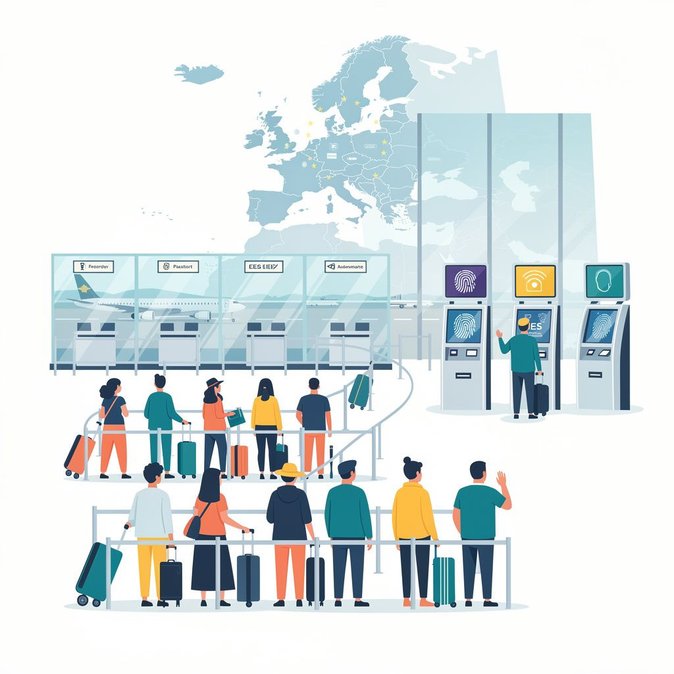
First, delegations endorsed draft guidelines on mutual recognition of digital skills credentials to simplify intra-company transfers of IT specialists—a longstanding Czech priority given the country’s chronic tech-talent gap. Second, the meeting agreed on pilot “mobility compacts” that would allow participating Western-Balkan states to fast-track seasonal workers to Czechia and Poland during peak manufacturing cycles, with return incentives funded by the European Commission. The Skopje meeting also reviewed the first six months of the EU Entry/Exit System rollout. Czech officials shared lessons from Prague Airport’s biometric-enrolment workflow, which other states said they may replicate. A follow-up technical workshop will be hosted by the Czech Police Academy in October. Companies that rely on Prague Process partner countries for talent—particularly North Macedonia, Serbia and Ukraine—should monitor the forthcoming mobility-compact templates. If ratified, they could reduce processing times for short-term work visas from 90 days to as little as 30, according to the draft text.
Organizations needing to secure Czech work or business visas as these new policies roll out can streamline applications through VisaHQ, whose online portal offers up-to-date requirements, document checks and real-time tracking for Czech entries: https://www.visahq.com/czech-republic/
First, delegations endorsed draft guidelines on mutual recognition of digital skills credentials to simplify intra-company transfers of IT specialists—a longstanding Czech priority given the country’s chronic tech-talent gap. Second, the meeting agreed on pilot “mobility compacts” that would allow participating Western-Balkan states to fast-track seasonal workers to Czechia and Poland during peak manufacturing cycles, with return incentives funded by the European Commission. The Skopje meeting also reviewed the first six months of the EU Entry/Exit System rollout. Czech officials shared lessons from Prague Airport’s biometric-enrolment workflow, which other states said they may replicate. A follow-up technical workshop will be hosted by the Czech Police Academy in October. Companies that rely on Prague Process partner countries for talent—particularly North Macedonia, Serbia and Ukraine—should monitor the forthcoming mobility-compact templates. If ratified, they could reduce processing times for short-term work visas from 90 days to as little as 30, according to the draft text.