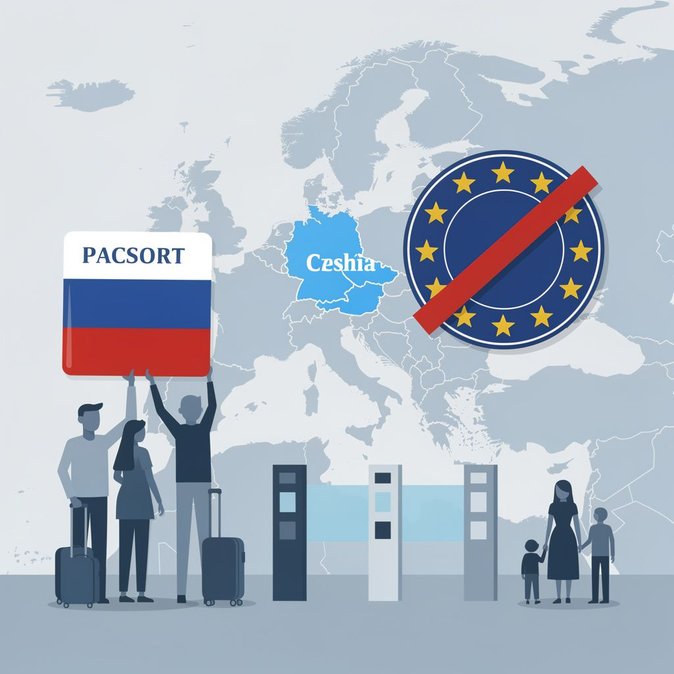
On 23 June 2026 The Brussels Times published the text of a letter signed by eleven European countries—including Czechia—urging the European Commission to introduce tougher, legally-binding limits on the issuance of Schengen tourist visas to Russian nationals. The letter argues that nearly half a million multi-entry visas were still granted to Russians in 2025 despite the war in Ukraine and that existing discretionary measures have created uneven practices across member states. Czechia has maintained a de-facto freeze on its own consular services for Russian tourists since February 2022, but the Interior Ministry confirmed to Global Mobility News that around 7 % of Russian tourist flows into the Schengen area still transit Prague’s airport under visas issued by other countries. Prague therefore backs a harmonised regime that would either cap leisure visas or shift to single-entry only. For companies employing Russian nationals on Czech work permits, the proposal does not affect work or family-reunification visas. However, mobility specialists should expect longer lead times for dependants’ short-stay Schengen applications if Brussels accepts the letter’s recommendations. The earliest legislative vehicle would be an amendment to the Schengen Visa Code, which the Commission could table as soon as September. Tour operators serving the high-spend Russian market warned that blanket restrictions could further depress Central-European hospitality revenues, already down 28 % versus 2019 for this segment. They called instead for enhanced screening rather than reduced volumes. The debate sets up another flashpoint between security-focused member states such as Czechia, Finland and the Baltics, and southern tourism economies.
Source: The Brussels Times