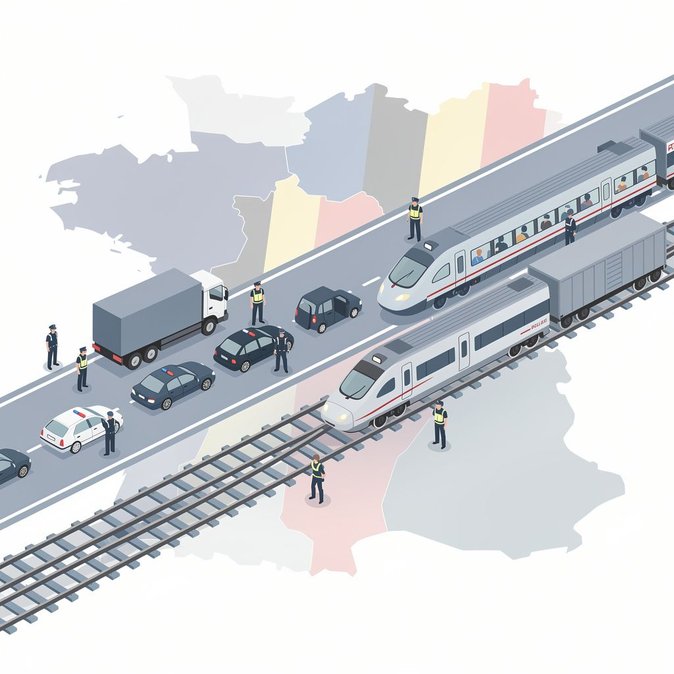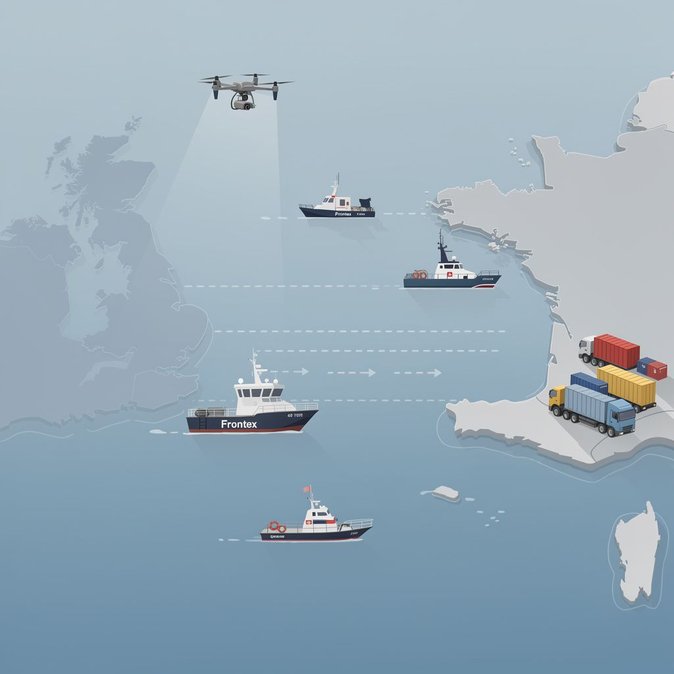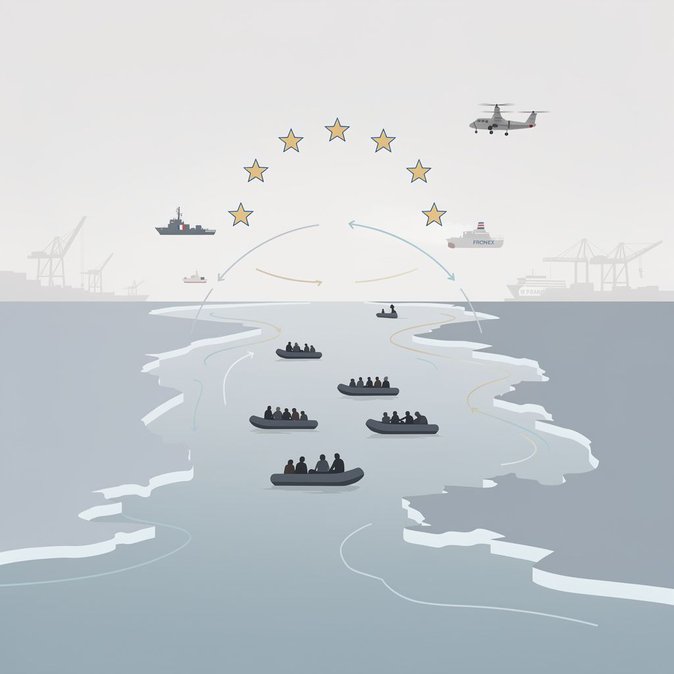
France has long argued that the small-boat migration crisis in the Strait of Dover is not merely a bilateral headache for Paris and London but a European security and humanitarian issue. On 23 June 2026, that view finally gained traction: the European Commission released an action plan that frames Channel crossings as a matter for the whole EU and pledges additional Frontex resources, joint anti-smuggling operations and closer coordination with the United Kingdom. The plan follows months of French diplomacy and comes only weeks before the Franco-British “One-in, One-out” returns deal expires in October. Under that 2025 accord, the UK agreed to send back to France irregular migrants intercepted on British shores in exchange for accepting some asylum seekers with family ties to the UK. While just 1,100 people have so far been returned, the agreement broke new ground by formalising a readmission mechanism between the two countries. Paris now wants the principle carried forward at EU level so that any future deal with London shares both the costs and the political responsibility across Member States. Interior-ministry officials in Paris hailed the Commission text as “the first official recognition that the Channel is a European border.” France secured public support from Belgium, Germany and the Netherlands, a sign that northern neighbours—concerned about secondary movements—also see value in a collective approach. In practical terms, the action plan promises extra surveillance drones, cross-border investigative teams and a pilot project to station more than 300 Frontex officers along the Opal Coast—a significant increase on today’s few dozen agents. Business travel and freight operators welcome any initiative that could reduce disruptive beach closures, roadblocks and ad-hoc police operations that have plagued Calais and Dunkirk logistics hubs. Yet NGOs warn that shifting enforcement further inland risks creating new humanitarian flashpoints, and maritime authorities stress that deterrence alone will not stop desperate people from launching dangerous crossings. With an EU-UK migration summit scheduled for 22 July in Brussels, France is expected to use the momentum to press for a broader agreement covering legal pathways, readmissions and funding. Whether hard-pressed southern Member States will agree remains uncertain, but observers note that Paris has already succeeded in moving the debate from a bilateral feud to the European stage—an outcome that could redefine border management in northern France for years to come.
Source: Le Monde