Holiday-makers and business travellers eyeing late-2026 trips to France received a stark warning on 23 June 2026: dozens of unofficial websites are already charging inflated fees or harvesting personal data under the guise of helping applicants secure the new European Travel Information and Authorisation System (ETIAS) permit. The alert, first published by the Majorca Daily Bulletin and confirmed by France’s Ministry of the Interior, comes six months before ETIAS becomes mandatory for passport-holders from 59 visa-exempt countries, including the United Kingdom, United States and Canada.
For anyone unsure about where to turn for reliable guidance, VisaHQ’s France portal (https://www.visahq.com/france/) keeps a real-time watch on ETIAS updates, provides clear instructions and fee explanations, and offers optional reminder services so travellers don’t miss key deadlines—an easy way to avoid the pitfalls of look-alike scam sites.
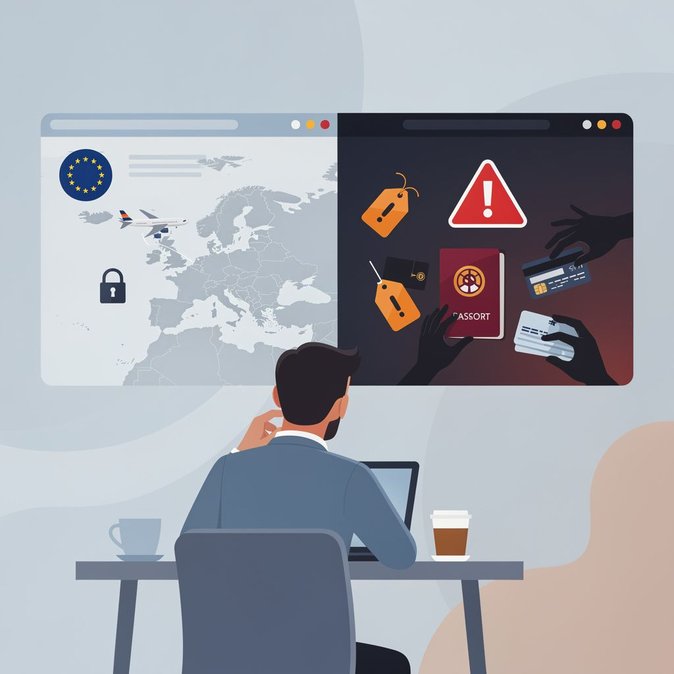
Fraudsters typically mimic the EU’s branding and promise “express approval” for €45–€90—well above the official €7 fee—before redirecting users to the real application page or, worse, disappearing with payment details. In some cases, scammers have demanded copies of passports and travel itineraries, raising identity-theft concerns. France’s cyber-crime unit, Pharos, says it has opened 17 investigations linked to fake ETIAS domains since April. Corporate mobility teams should brief employees and assignees that the only legitimate application portal will be hosted on europa.eu/etias and that approvals are expected within minutes for most travellers. The EU will not send unsolicited emails, and no third-party agency can accelerate processing. Airlines operating to Paris-CDG and other French gateways are updating check-in software to verify ETIAS status automatically, but travellers without an authorisation will be denied boarding. The French government plans an information campaign in English, Spanish and Mandarin targeting frequent visitors and conference organisers. Meanwhile, travel-insurance providers are adjusting policies to cover missed flights or accommodation costs stemming from ETIAS-related boarding denials—a prudent step given the system’s novelty and the high volumes expected at year-end.
For anyone unsure about where to turn for reliable guidance, VisaHQ’s France portal (https://www.visahq.com/france/) keeps a real-time watch on ETIAS updates, provides clear instructions and fee explanations, and offers optional reminder services so travellers don’t miss key deadlines—an easy way to avoid the pitfalls of look-alike scam sites.
Fraudsters typically mimic the EU’s branding and promise “express approval” for €45–€90—well above the official €7 fee—before redirecting users to the real application page or, worse, disappearing with payment details. In some cases, scammers have demanded copies of passports and travel itineraries, raising identity-theft concerns. France’s cyber-crime unit, Pharos, says it has opened 17 investigations linked to fake ETIAS domains since April. Corporate mobility teams should brief employees and assignees that the only legitimate application portal will be hosted on europa.eu/etias and that approvals are expected within minutes for most travellers. The EU will not send unsolicited emails, and no third-party agency can accelerate processing. Airlines operating to Paris-CDG and other French gateways are updating check-in software to verify ETIAS status automatically, but travellers without an authorisation will be denied boarding. The French government plans an information campaign in English, Spanish and Mandarin targeting frequent visitors and conference organisers. Meanwhile, travel-insurance providers are adjusting policies to cover missed flights or accommodation costs stemming from ETIAS-related boarding denials—a prudent step given the system’s novelty and the high volumes expected at year-end.