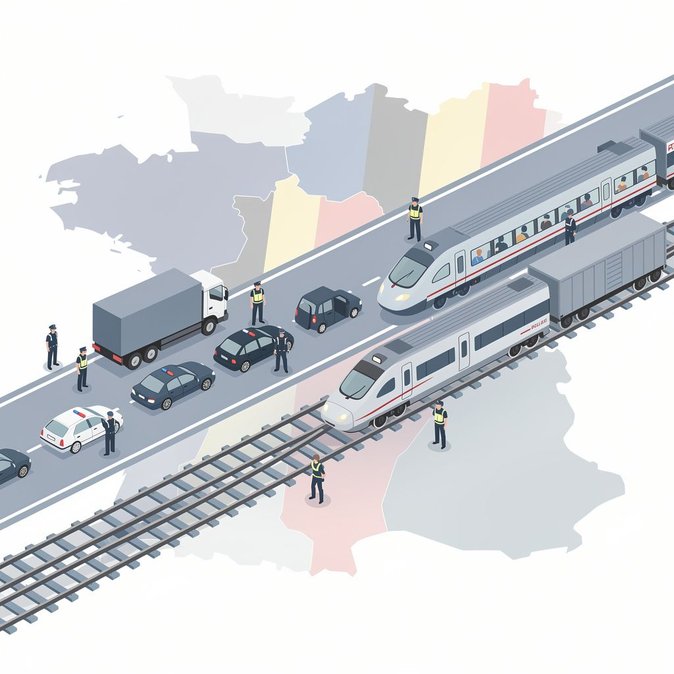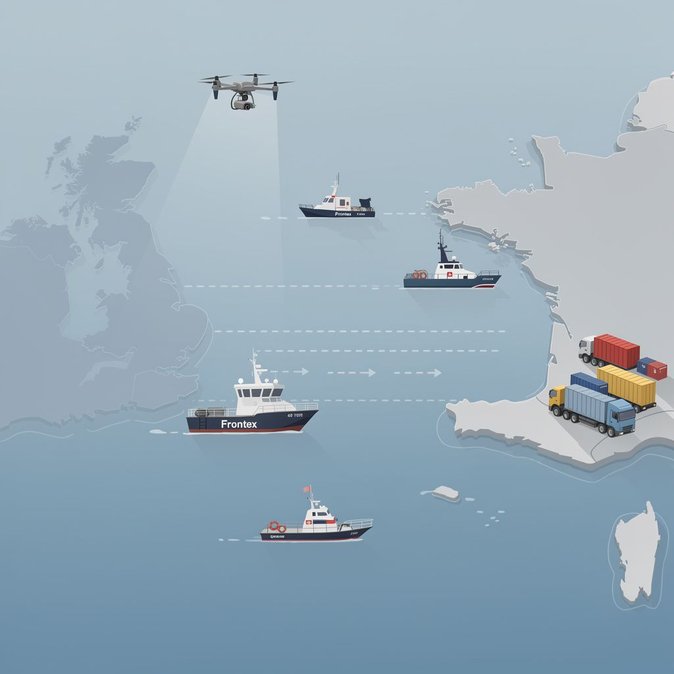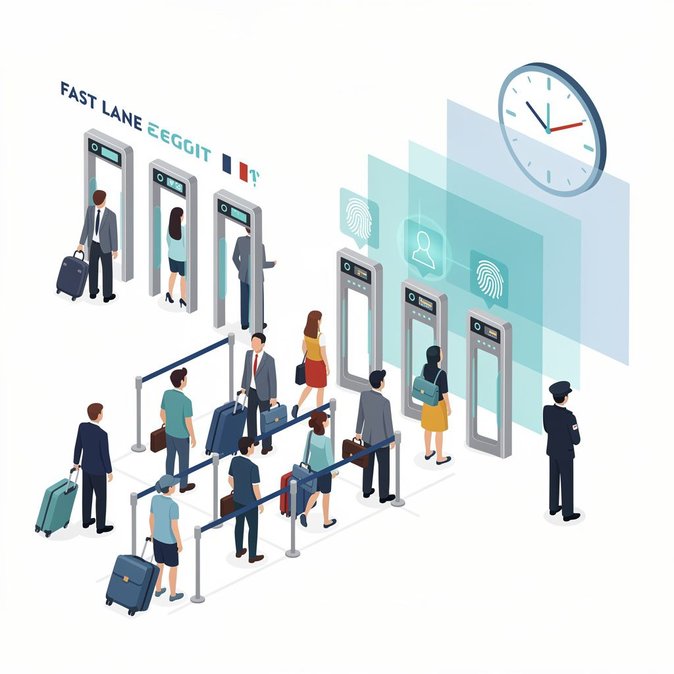
Speaking at a press briefing on 23 June, Frontex deputy executive director Uku Särekanno cautioned that the newly-launched EU Entry/Exit System (EES) will create "one to two years" of extended queuing at major Schengen entry points—including Paris-Charles-de-Gaulle, Lyon and the Eurostar terminal at Gare du Nord—while first-time biometric enrolment is completed. His remarks were published the same day by specialist portal ETIAS Pro. EES replaced passport-stamping with a fingerprint-and-face-scan database on 10 April 2026. For France, the system covers 82 airports, seaports and land crossings. Although the second crossing is faster, Särekanno noted that “initial capture takes several minutes per traveller,” multiplying wait times during peak holiday periods. A legal “flexibility window” that allows France to suspend EES in case of serious disruption closes in September 2026, and the Commission has signalled no extension. Airlines and rail operators are scrambling for solutions. Air France says it will open dedicated EES assistance lanes at CDG by August, while Eurostar is trial-ling self-service kiosks that pre-enrol frequent travellers before departure. Business-travel managers should factor in an extra 30–45 minutes for departures from French hubs until at least summer 2027. The warning also affects ETIAS—the €20 travel authorisation that becomes operational in late 2026. Mobility consultants expect a "double-whammy" in early 2027 when millions of visa-exempt visitors will have to hold both an ETIAS approval and valid EES biometrics before boarding a flight to France. Companies relocating staff to France should advise assignees to keep their first Schengen entry after October 2025 as early in their itinerary as possible, to avoid tight layovers. They should also audit whether company-owned apartments can accommodate potential late-night arrivals caused by border congestion.
Source: ETIAS Pro