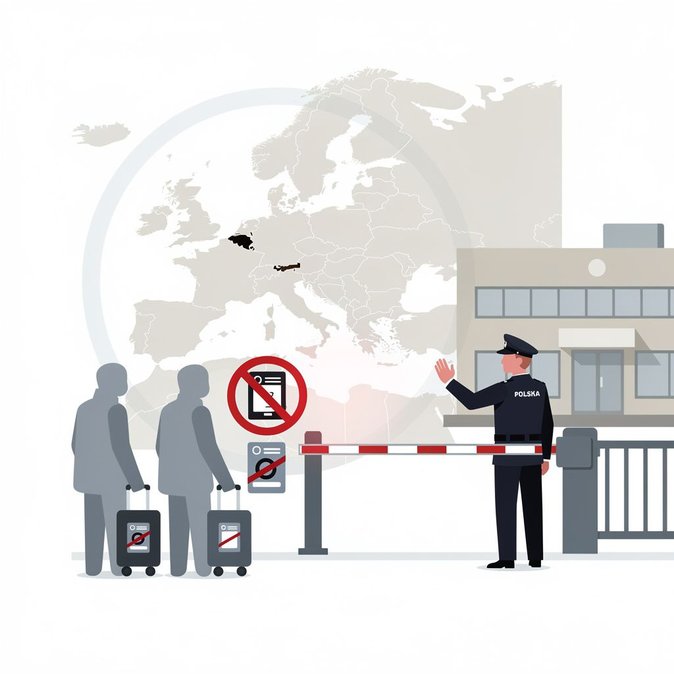
On 23 June 2026 the Silesian Border Guard District announced the removal of three Ukrainian nationals—two men aged 33 and 42 and a 51-year-old woman—after courts upheld administrative deportation orders. The individuals had completed sentences for offences ranging from assault and robbery to drunk-driving. They were escorted to a designated crossing point and transferred to Ukrainian authorities; each now faces a prohibition on re-entering Poland and the wider Schengen Area for five to nine years. While criminal convictions have long been grounds for deportation under EU Directive 2008/115/EC, Polish officials emphasised that the extended bans reflect “heightened public-security concerns at a time of increased regional migration pressure.” Since Russia’s full-scale invasion of Ukraine, Poland has issued over 1.2 million temporary-protection documents, placing strain on removal centres and court dockets. The high-profile deportations serve as a reminder that holders of Poland’s humanitarian or work permits must maintain clean criminal records or risk losing status. Multinational employers should review internal conduct policies for posted workers and ensure that any legal issues are reported promptly to immigration counsel. For travel-risk managers the case also reveals operational nuances: deportees are now routinely escorted through the Korczowa–Krakivets and Medyka–Shehyni crossings outside peak hours to minimise disruption to commercial lanes. Companies scheduling cross-border freight on removal days may experience intermittent lane closures of 15–20 minutes. Polish authorities plan to publish an English-language compliance guide in Q3 2026 outlining how criminal proceedings interface with residence-permit renewal—information that global HR teams should integrate into assignment handbooks.
Source: Śląski Oddział Straży Granicznej