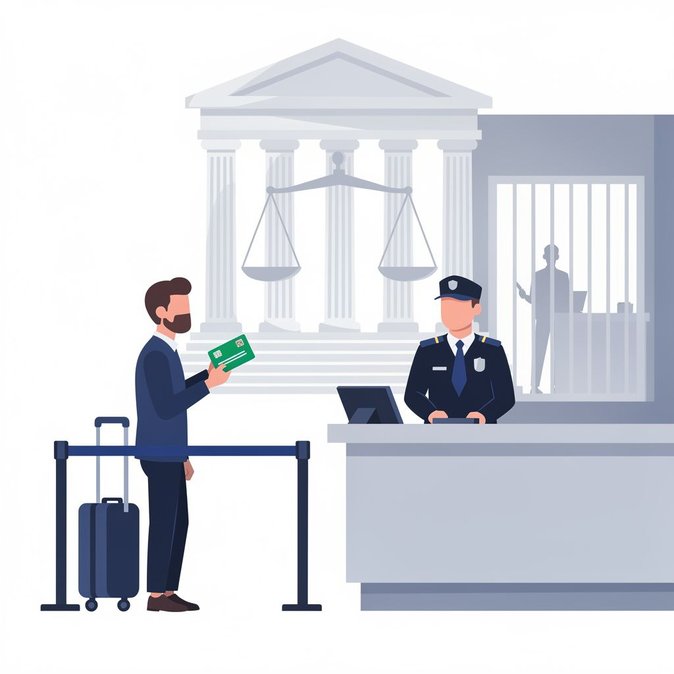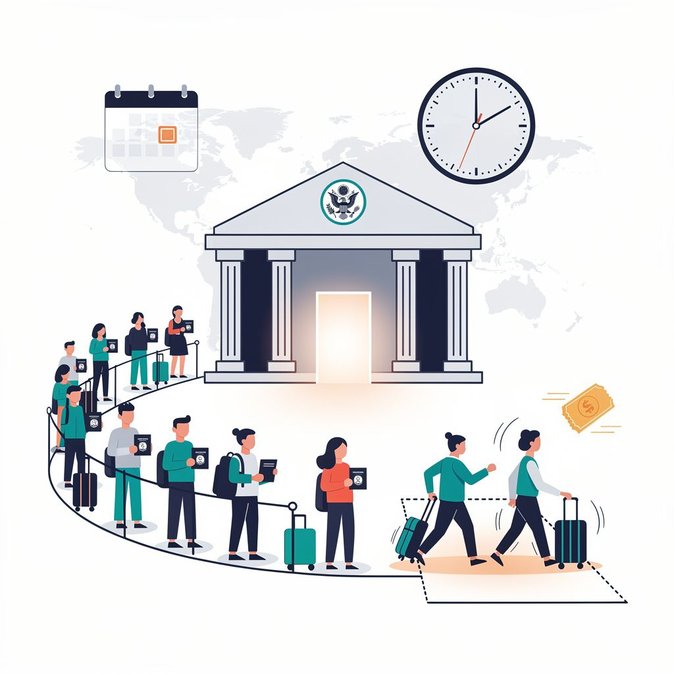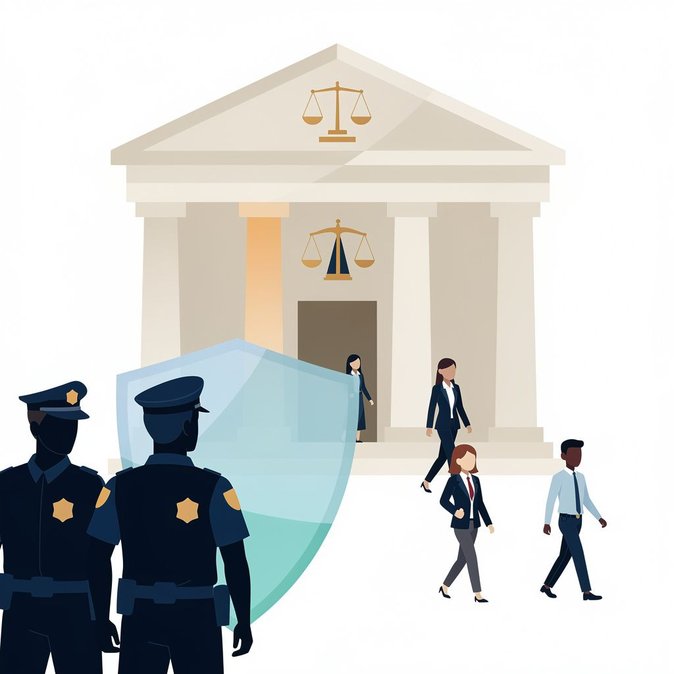
In a blow to one of the Trump administration’s most controversial tactics, U.S. District Judge Casey Pitts on June 23 issued a nationwide injunction barring Immigration and Customs Enforcement from arresting non-citizens inside or immediately outside immigration courthouses. Pitts ruled that DHS failed to conduct the reasoned analysis required by the Administrative Procedure Act when it reversed an 80-year policy that discouraged courthouse arrests. The decision follows a similar May ruling limited to New York but extends protection country-wide. Pitts emphasized the “chilling effect” arrests have on individuals’ willingness to attend court—an effect that undermines due process for both immigration proceedings and unrelated criminal cases in state courts.
Organizations navigating these shifting enforcement dynamics can also streamline visa and document preparation through VisaHQ, whose online platform for U.S. immigration matters (https://www.visahq.com/united-states/) provides step-by-step application support, real-time status tracking and expert consultations—resources that help HR teams keep employees compliant and reduce the risk of unexpected detention.
For global mobility programs, the order reduces (for now) the risk that employees will be detained while attending mandatory immigration hearings such as adjustment interviews, removal reviews or status-violation proceedings. Attorneys nevertheless caution that ICE retains authority to make arrests on public streets or after a hearing concludes. Corporate counsel should continue to stagger hearing dates to allow for legal accompaniment and should advise foreign national staff to avoid carrying incriminating digital evidence (e.g., fake documents) when entering courthouses. While DHS condemned the injunction as “judicial activism,” it has not yet announced whether it will appeal to the Ninth Circuit. If the ruling stands, industry groups expect fewer last-minute hearing cancellations, potentially speeding adjudications and reducing the cost of prolonged administrative leave for affected workers.
Organizations navigating these shifting enforcement dynamics can also streamline visa and document preparation through VisaHQ, whose online platform for U.S. immigration matters (https://www.visahq.com/united-states/) provides step-by-step application support, real-time status tracking and expert consultations—resources that help HR teams keep employees compliant and reduce the risk of unexpected detention.
For global mobility programs, the order reduces (for now) the risk that employees will be detained while attending mandatory immigration hearings such as adjustment interviews, removal reviews or status-violation proceedings. Attorneys nevertheless caution that ICE retains authority to make arrests on public streets or after a hearing concludes. Corporate counsel should continue to stagger hearing dates to allow for legal accompaniment and should advise foreign national staff to avoid carrying incriminating digital evidence (e.g., fake documents) when entering courthouses. While DHS condemned the injunction as “judicial activism,” it has not yet announced whether it will appeal to the Ninth Circuit. If the ruling stands, industry groups expect fewer last-minute hearing cancellations, potentially speeding adjudications and reducing the cost of prolonged administrative leave for affected workers.