
The Belgian government will raise the processing fee for long-stay (D) visas from €220 to €250 on 1 July 2026, according to a 23 June notice published by the Centre Européen des Visas (CEV) in Kinshasa. Anyone who has an appointment on or after 1 July will have to pay the higher amount when lodging the application, even if the slot was booked under the previous tariff. The D-visa is required for foreigners who plan to live in Belgium for more than 90 days—typically employees on intra-company transfers, highly-skilled workers, researchers, students and family-reunification applicants. The €30 increase is the first adjustment since January 2025 and brings Belgium’s fee in line with neighbouring Netherlands (€250) and Luxembourg (€256). Short-stay Schengen (C) visa fees remain unchanged at €90 (€45 for children aged 6-12). Although the amount is modest in relative terms, employers that move large cohorts of expatriates will see an uptick in mobility budgets. Cost projections for graduate-trainee and rotational programmes should be updated; some multinationals operating in Belgium told The Brussels Times they expect their annual immigration outlay to rise by «low five-figure» sums. Practical implications are limited for travellers already holding a D-visa approval letter—the fee is only collected at the moment of filing. However, Belgian consulates have warned applicants to bring proof of payment or exact cash after 30 June, as many outposts do not accept credit cards. HR teams should circulate the new tariff and re-issue assignment cost estimates where needed. The increase comes as Belgium prepares to launch a new online portal, “Mon Adresse en Belgique”, that will let D-visa holders pre-register their residence address before arrival. Authorities say digitisation will offset higher costs by speeding up registration and biometric appointments.
How VisaHQ can help
VisaHQ simplifies the visa application process for individuals and businesses. Check current travel requirements, prepare the required documents and manage your application online through the VisaHQ Belgium portal.More From Belgium
View all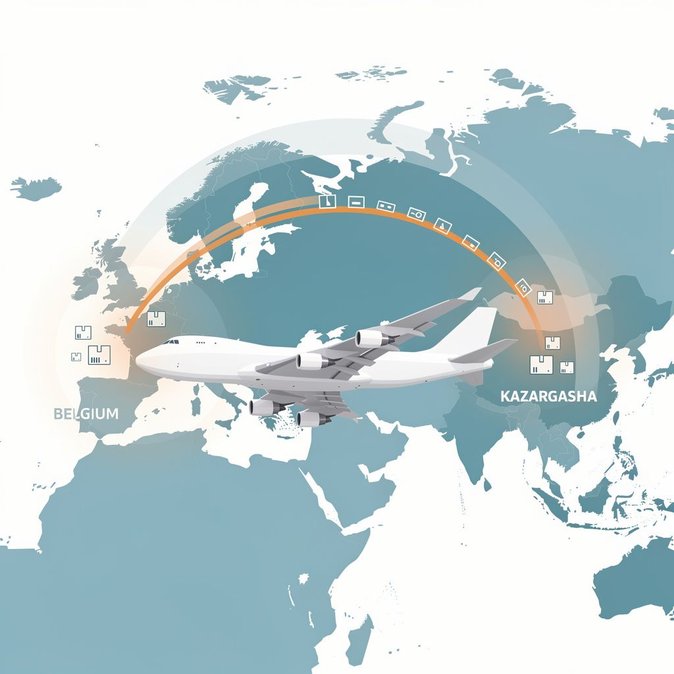
ASL Airlines Belgium Launches Liege–Karaganda Freighter Service, Strengthening Eurasian Trade Corridor
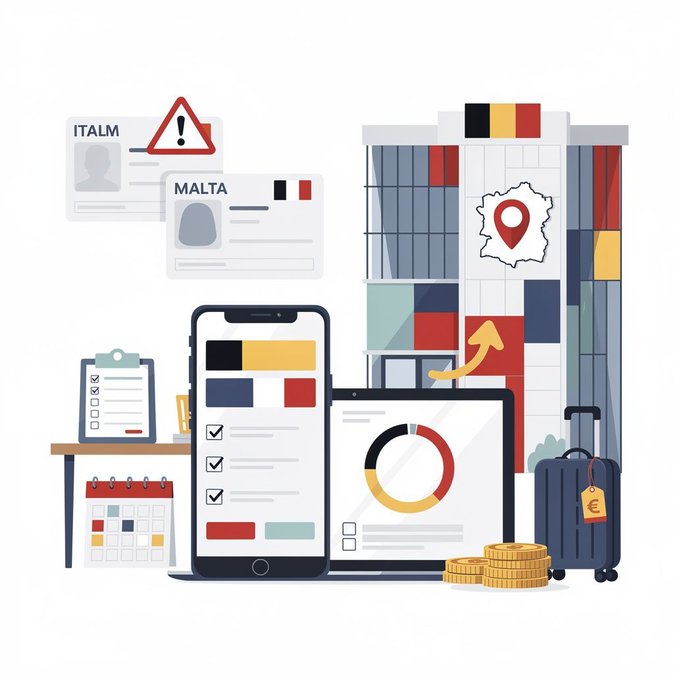
Belgian Embassy in Rome updates visa guidance and makes online ‘My Address in Belgium’ arrival form mandatory