
Belgium’s Ministry of Foreign Affairs confirmed late on 22 June that it had granted five one-day, Belgium-only Schengen visas to a Taliban delegation invited by the European Commission for technical discussions on the return of Afghan nationals who have been refused asylum in the EU. The meeting took place in Brussels on 23 June amid protests from human-rights groups and 47 Members of the European Parliament. Under Belgium’s “headquarters policy”, the country routinely facilitates short-duration visas for delegations invited by EU institutions. Foreign Minister Maxime Prévot stressed that security agencies found no immediate threat posed by the delegates and that refusing the visas could undermine Brussels’ status as the EU’s diplomatic capital. The visas were valid for 24 hours and confined holders to Belgian territory, limiting onward movement within the Schengen Area. The talks, attended by representatives of 15 Member States, focused on identifying undocumented Afghans, issuing travel documents and coordinating charter flights for deportations. Belgian Immigration Office Director Freddy Roosemont participated, having joined a technical mission to Kabul in January. NGOs, including Amnesty International, condemned the engagement, arguing that Afghanistan remains unsafe and that forced returns breach international law. Green MEP Saskia Bricmont called the move “a major moral failure” and warned it could set a precedent for deals with other authoritarian regimes. For employers the episode is a reminder that Afghan nationals in Belgium with negative asylum decisions may face accelerated return procedures once EU return-readmission protocols are finalised. Companies employing Afghan talent should check the validity of residence permits and explore alternative immigration pathways such as skilled-worker permits or study visas.
Source: The Brussels Times
How VisaHQ can help
VisaHQ simplifies the visa application process for individuals and businesses. Check current travel requirements, prepare the required documents and manage your application online through the VisaHQ Belgium portal.More From Belgium
View all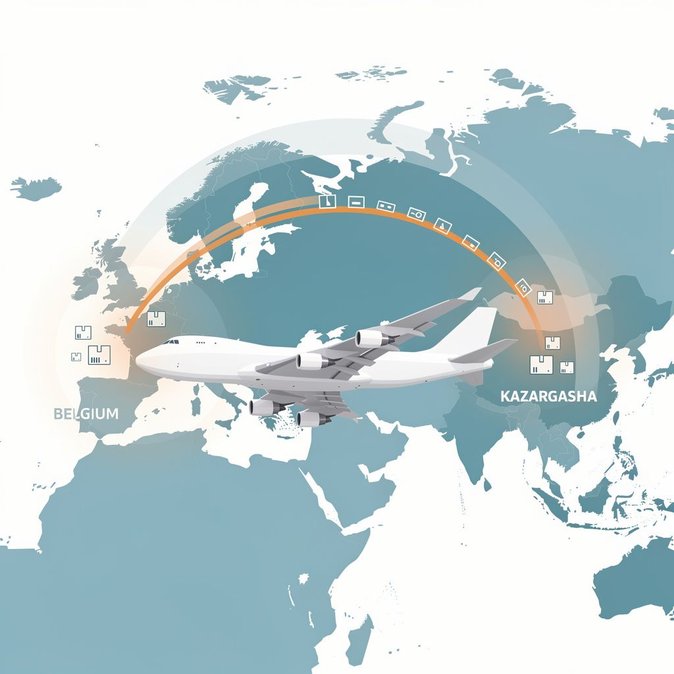
ASL Airlines Belgium Launches Liege–Karaganda Freighter Service, Strengthening Eurasian Trade Corridor
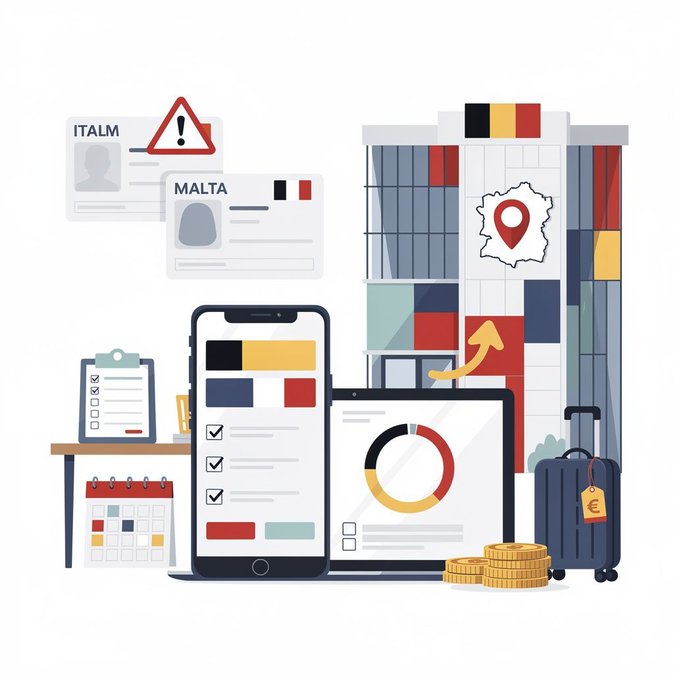
Belgian Embassy in Rome updates visa guidance and makes online ‘My Address in Belgium’ arrival form mandatory