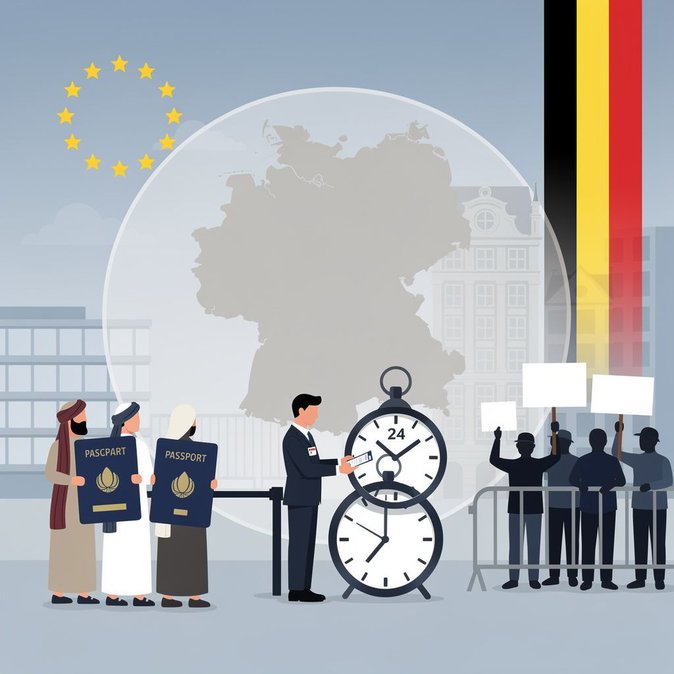
In a highly controversial move on 23 June 2026, Belgium’s Foreign Ministry confirmed that it had issued five single-day, single-territory visas to officials of the Taliban regime so they could travel to Brussels for technical talks with the European Commission on migrant returns. Belgian Foreign Minister Maxime Prévot told reporters that, under Belgium’s longstanding “headquarters policy,” the country is obliged to facilitate meetings requested by EU institutions even when the invitees come from un-recognised governments. The visas were restricted to Belgian territory and limited to 24 hours following a security assessment by the intelligence services. The meeting – the first time Taliban representatives have set foot in an EU capital since their 2021 takeover of Kabul – forms part of the bloc’s wider effort to increase deportations of third-country nationals who have exhausted all legal remedies. According to EU migration officials, fifteen Member States participated and focused on identification procedures, travel-document issuance and logistical arrangements for charter flights to Afghanistan. Human rights organisations and 47 Members of the European Parliament staged protests in Brussels’ Schuman district, arguing that cooperating with a regime that systematically violates women’s and minority rights undermines the EU’s credibility. From a corporate mobility perspective, the episode underscores Belgium’s delicate balancing act between its role as diplomatic hub and its security obligations. Multinational companies headquartered in Brussels – including numerous NGOs and international associations – must now factor in possible reputational risks and heightened protest activity whenever high-profile delegations are invited by the EU. Travel-security consultants are advising clients to monitor short-notice visa waivers that Belgium may grant for similar meetings and to review crisis-communication plans in case of civil-society backlash. Practically, the incident shows how narrowly-tailored national visas can be deployed within the Schengen Area: the documents issued to the Taliban were valid only in Belgium, overriding normal Schengen rules of free movement. Immigration advisers note that this “territorial limitation” clause could become more common for politically sensitive visitors, adding an extra layer of complexity for companies arranging side-meetings elsewhere in Europe. They recommend checking visa stickers carefully and arranging point-to-point transfers that avoid inadvertent entry into neighbouring states. Looking ahead, EU officials hinted that further sessions with the Taliban could follow if Tuesday’s talks yield progress on readmission. Stakeholders involved in Afghan employee relocations should monitor whether the EU or individual Member States resume forced-return flights; such a development could increase removal risk for Afghans whose work permits or humanitarian statuses are nearing expiry in Belgium or elsewhere in the bloc.