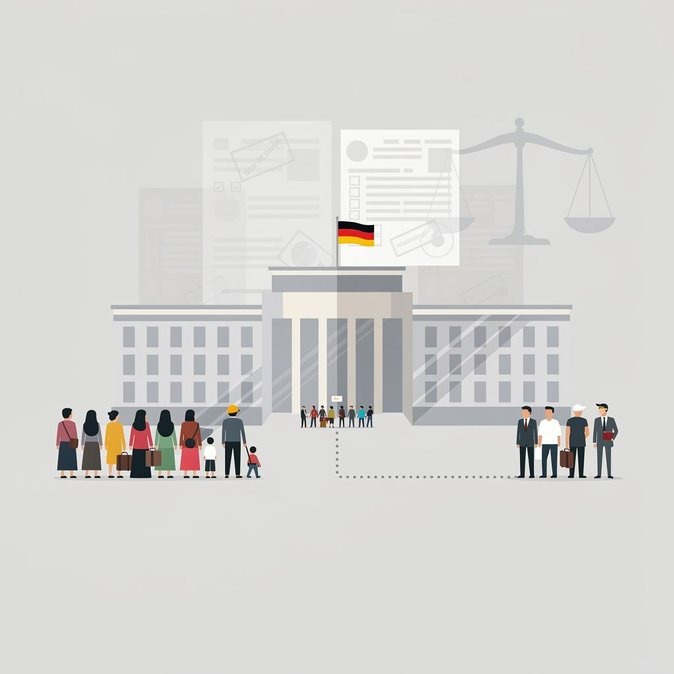
A written reply by the Foreign Office to Left-party MP Clara Bünger, released on 24 June, reveals that since the suspension of regular family-reunification rights for subsidiary-protection holders in June 2025 only ten visas have been issued under the humanitarian ‘Härtefall’ (hardship) clause – eight of them after court settlements. During the same period some 5,000 hardship applications were filed with the International Organization for Migration, and around 2,000 have been fully assessed. The numbers intensify criticism from NGOs and opposition lawmakers that the coalition’s policy – intended to ease pressure on migration authorities – is splitting families indefinitely. Lawyers note that the European Court of Human Rights expects states to process reunification requests within a ‘reasonable time’. At less than one approval per month, Germany risks legal challenges and reputational damage as a destination for skilled refugees. For global-mobility managers the data matter because they affect retention of refugee staff hired under humanitarian or integration programmes. Companies sponsoring talent with subsidiary protection should anticipate lengthy waits for dependent visas and plan support services accordingly, including psychosocial assistance and liaison with pro bono legal groups. The government is unlikely to revisit the cap before mid-2027, when the temporary suspension expires, but mounting parliamentary scrutiny could trigger incremental adjustments – for example, prioritising cases involving children or medically vulnerable relatives. HR departments should monitor forthcoming Foreign Office directives and maintain realistic timelines when promising family reunion to employees.
Source: evangelisch.de / epd