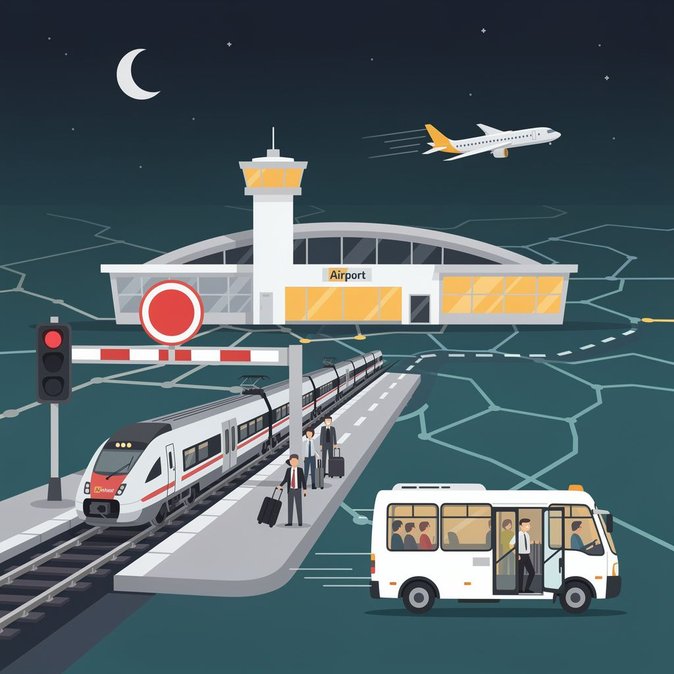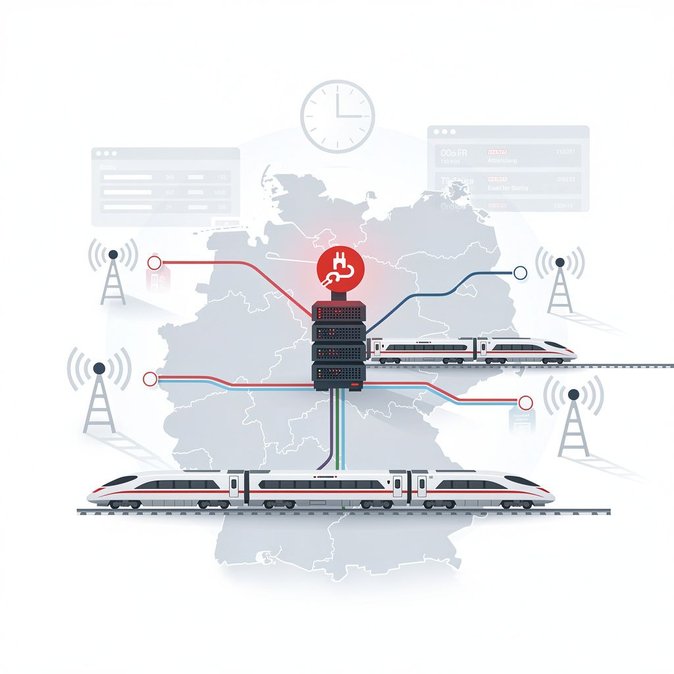
A software update gone wrong in Deutsche Bahn’s GSM-R digital radio network halted every long-distance, regional and S-Bahn train in Germany for roughly two hours overnight from 23 to 24 June. Thousands of passengers were stranded in stations such as Berlin-Hbf and Frankfurt (Main), and freight services were also frozen.
For companies whose staff may need to adjust travel plans at short notice, VisaHQ can streamline any visa or passport processing, ensuring that documentation issues don't compound operational headaches. Our Germany portal (https://www.visahq.com/germany/) offers fast online applications, status tracking and dedicated support—helpful whether travellers are re-routing through neighbouring countries or rescheduling inbound trips after rail disruptions.
Although traffic gradually resumed after 00:30, knock-on delays continued well into the morning rush hour. Deutsche Bahn apologised and issued hotel and taxi vouchers, but state transport ministers called the incident “a new low” in operational reliability. GSM-R is classified as critical infrastructure; security agencies have found no sign of sabotage, but the transport ministry has ordered a full technical audit. For mobility managers the episode demonstrates the fragility of Germany’s ageing rail IT—still the backbone of domestic business travel and international connections to the Netherlands, Austria and Switzerland. Contingency plans (rental cars, remote work) should be stress-tested, and traveller-tracking systems must account for sudden network-wide shutdowns. The outage is likely to harden political support for Deutsche Bahn’s €45 billion “Digital Rail Germany” overhaul, including migration to the European FRMCS standard. Until then, corporate travellers should expect further disruption as emergency maintenance continues.
For companies whose staff may need to adjust travel plans at short notice, VisaHQ can streamline any visa or passport processing, ensuring that documentation issues don't compound operational headaches. Our Germany portal (https://www.visahq.com/germany/) offers fast online applications, status tracking and dedicated support—helpful whether travellers are re-routing through neighbouring countries or rescheduling inbound trips after rail disruptions.
Although traffic gradually resumed after 00:30, knock-on delays continued well into the morning rush hour. Deutsche Bahn apologised and issued hotel and taxi vouchers, but state transport ministers called the incident “a new low” in operational reliability. GSM-R is classified as critical infrastructure; security agencies have found no sign of sabotage, but the transport ministry has ordered a full technical audit. For mobility managers the episode demonstrates the fragility of Germany’s ageing rail IT—still the backbone of domestic business travel and international connections to the Netherlands, Austria and Switzerland. Contingency plans (rental cars, remote work) should be stress-tested, and traveller-tracking systems must account for sudden network-wide shutdowns. The outage is likely to harden political support for Deutsche Bahn’s €45 billion “Digital Rail Germany” overhaul, including migration to the European FRMCS standard. Until then, corporate travellers should expect further disruption as emergency maintenance continues.