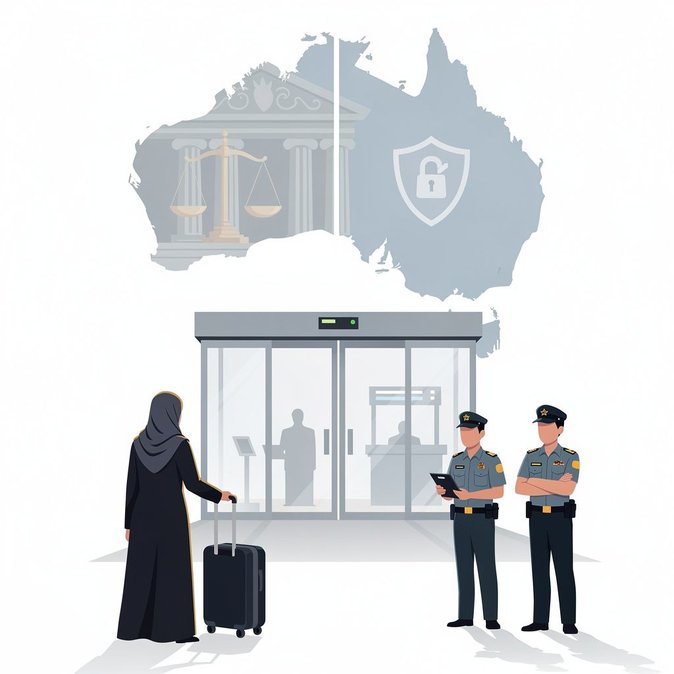
Home Affairs Minister Tony Burke confirmed on 25 June that an Australian woman—identified as Hodan Abby—who left the country for Islamic State-controlled Syria has been issued a permit to return home with her young child. The consent follows legal advice that a Temporary Exclusion Order (TEO) imposed earlier this year could no longer lawfully prevent her re-entry once she applied for a permit. Under Australia’s Counter-Terrorism (Temporary Exclusion Orders) Act 2019, citizens suspected of extremist ties can be barred from returning for up to two years, unless they seek and receive a permit. Burke told ABC Radio that Abby will face “the absolute legal limit” of surveillance: mandatory reporting of residence, work and study details; 24-hours’ notice before any phone or internet use; and continuous monitoring by ASIO. The case has reignited debate over Australia’s ability to manage high-risk repatriations. Opponents argue that intelligence and policing resources are already stretched, while security experts note that refusing re-entry could breach international obligations and leave Australians stateless in unstable regions. Earlier repatriations of women and children in February saw three adults charged with terrorism-related offences on arrival. For airlines and airport operators, the episode underscores operational complexities when transporting passengers subject to TEO conditions, including secure-hand-over protocols and coordination with federal police. Corporate mobility managers should expect heightened scrutiny of travel histories for employees with dual citizenship in conflict-affected areas, as agencies expand risk-profiling at the border. Policy watchers anticipate that the government will use this high-profile return to argue for further tightening of citizenship cancellation and control orders—measures that could have wider implications for Australians working in or near conflict zones.
Source: ABC News