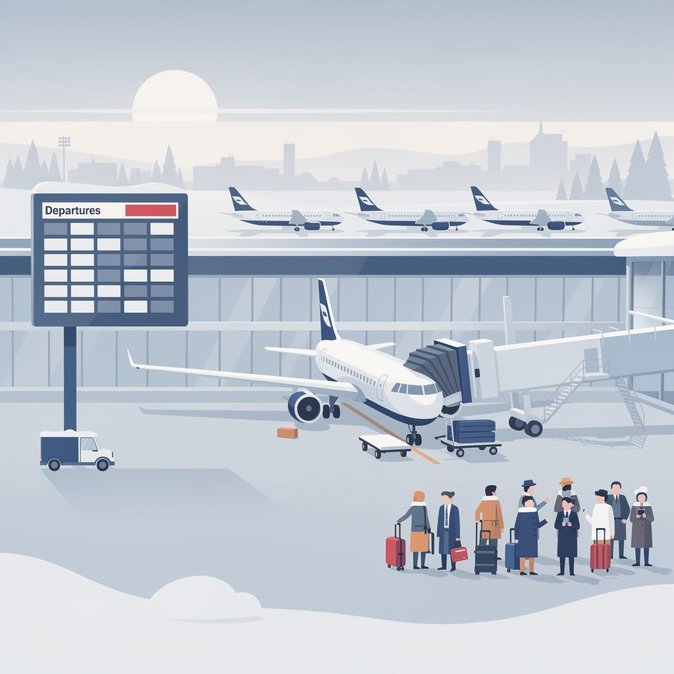
Just as corporate travel planners begin locking in year-end itineraries, Finnair has sent an early shockwave through the market. In a notice issued on 25 June 2026, the flag carrier confirmed it will cancel roughly 300 flights scheduled for 9 and 13 December after the Finnish Air Line Pilots’ Association (SLL) filed formal strike notifications.
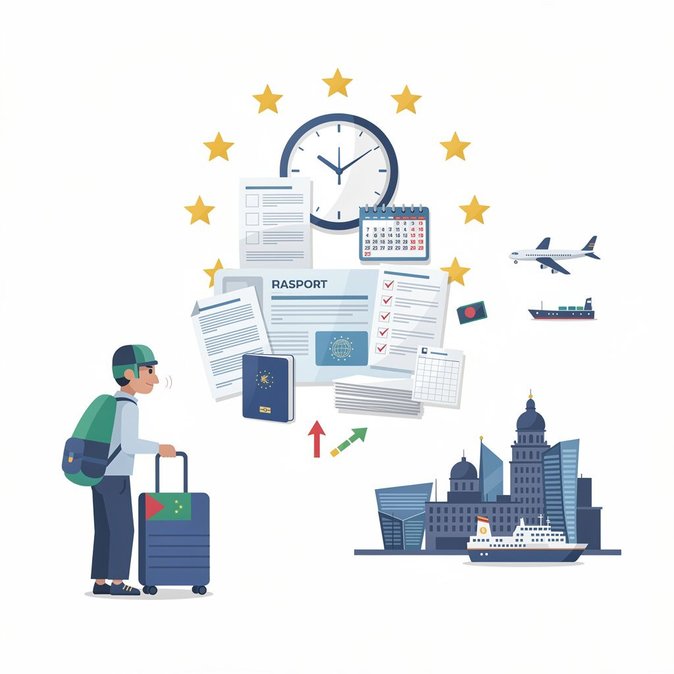
Whether employees are rebooking through Copenhagen or making an unexpected stop in Helsinki, ensuring passports and visas remain valid is another moving part. VisaHQ’s Finland portal (https://www.visahq.com/finland/) allows travel coordinators to verify entry requirements, process visa applications online, and receive status alerts—so paperwork doesn’t become the next disruption amid the strike-related schedule changes.
The walk-outs stem from deadlocked wage and rostering talks; mediators at the National Conciliator’s Office suspended negotiations on 24 June after seventeen hours without a breakthrough. The pre-emptive cancellations—affecting an estimated 39,000 passengers—cover nearly all short-haul European services plus select long-haul rotations to Tokyo, Singapore and Dallas. Finnair says customers will be reaccommodated “where possible” on partner airlines in the oneworld alliance, but admits limited December seat availability means many travellers face reroutes via Stockholm or Copenhagen, adding up to six hours of journey time. Why announce disruptions five months in advance? Under Finland’s new Aviation Contingency Regulation (in force since February 2026) airlines must publish contingency flight lists once a legally valid strike notice is served. Finnair’s move gives business travellers earlier clarity—but also raises pressure on unions, as lost revenue could exceed €25 million if the strike proceeds, according to Nordea analysts. For companies with Nordic hubs the timing is painful: the 9 December stoppage falls in peak Christmas-market travel; 13 December coincides with Santa Lucia festivities that draw thousands to Helsinki and Turku. Travel managers should audit December bookings on the AY code now, secure back-up itineraries on SAS, Norwegian or rail, and remind employees that EC 261 compensation claims apply only if strikes are internal to the airline and no “extraordinary circumstances” exist. Negotiations are scheduled to resume on 8 July. If a deal emerges before mid-September, Finnair could reinstate flights, but slot reallocation rules mean prime departure times may already be lost. Multinationals should therefore budget for higher airfares and potential overnight stays on key Nordic-Asia cargo lanes in the run-up to Christmas.
Whether employees are rebooking through Copenhagen or making an unexpected stop in Helsinki, ensuring passports and visas remain valid is another moving part. VisaHQ’s Finland portal (https://www.visahq.com/finland/) allows travel coordinators to verify entry requirements, process visa applications online, and receive status alerts—so paperwork doesn’t become the next disruption amid the strike-related schedule changes.
The walk-outs stem from deadlocked wage and rostering talks; mediators at the National Conciliator’s Office suspended negotiations on 24 June after seventeen hours without a breakthrough. The pre-emptive cancellations—affecting an estimated 39,000 passengers—cover nearly all short-haul European services plus select long-haul rotations to Tokyo, Singapore and Dallas. Finnair says customers will be reaccommodated “where possible” on partner airlines in the oneworld alliance, but admits limited December seat availability means many travellers face reroutes via Stockholm or Copenhagen, adding up to six hours of journey time. Why announce disruptions five months in advance? Under Finland’s new Aviation Contingency Regulation (in force since February 2026) airlines must publish contingency flight lists once a legally valid strike notice is served. Finnair’s move gives business travellers earlier clarity—but also raises pressure on unions, as lost revenue could exceed €25 million if the strike proceeds, according to Nordea analysts. For companies with Nordic hubs the timing is painful: the 9 December stoppage falls in peak Christmas-market travel; 13 December coincides with Santa Lucia festivities that draw thousands to Helsinki and Turku. Travel managers should audit December bookings on the AY code now, secure back-up itineraries on SAS, Norwegian or rail, and remind employees that EC 261 compensation claims apply only if strikes are internal to the airline and no “extraordinary circumstances” exist. Negotiations are scheduled to resume on 8 July. If a deal emerges before mid-September, Finnair could reinstate flights, but slot reallocation rules mean prime departure times may already be lost. Multinationals should therefore budget for higher airfares and potential overnight stays on key Nordic-Asia cargo lanes in the run-up to Christmas.