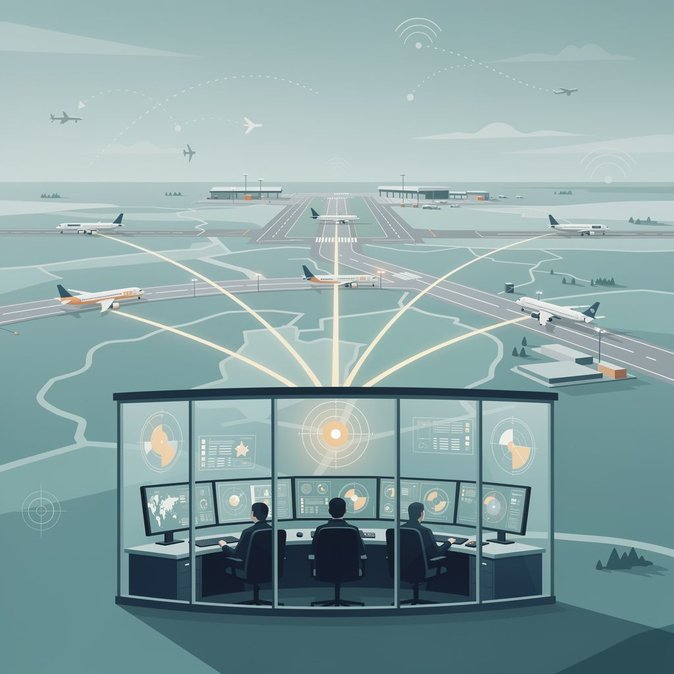
Spanish aerospace group Indra confirmed on 25 June that it has signed a contract with Fintraffic Air Navigation Services (ANS) to build a digital remote-tower centre capable of controlling up to seven Finnish regional airports from a single facility in Vantaa. The centre will allow each controller to manage traffic at as many as three airfields simultaneously, using 4K panoramic cameras, advanced object-tracking and Indra’s GAREX VoIP communications suite. Under the agreement, the first batch of airports—Mariehamn, Turku and Vaasa—will migrate to remote operations in late 2027, followed by Kittilä, Ivalo, Kuusamo and Oulu. Fintraffic says digital towers will cut operating costs by 30 percent while improving staffing flexibility in Finland’s sparsely populated north, where seasonal tourism creates sharp peaks in demand. Raine Luojus, CEO of Fintraffic ANS, described the project as “a natural next step in the digitalisation of air-navigation services”. For airlines and travel managers, the remote-tower concept promises more resilient operations. If weather or illness affects staff at one airport, controllers in Vantaa can take over instantly, reducing delays and diversions—a critical advantage for winter charter flights to Lapland. The centre will also standardise procedures and data flows, making it easier for carriers like Finnair and Ryanair to integrate regional routes into their network planning. The deal strengthens Finland’s position as a living laboratory for aviation innovation. Finavia’s Helsinki Airport recently won ACI Europe’s 2026 Digital Transformation Award, and the state is investing €20 million in satellite-based landing systems. Combining these initiatives with a multi-airport tower puts Finland ahead of larger markets such as Germany and the UK, which are still testing single-airport remote towers. Indra’s technology is already in use in Norway and Saudi Arabia but this is the first installation designed for routine multi-airport operations from day one. Success in Finland could trigger similar projects across the Nordics, offering export potential for Finnish software vendors supplying cyber-secure data links and AI-based runway-incursion alerts.
Source: Indra Group press release