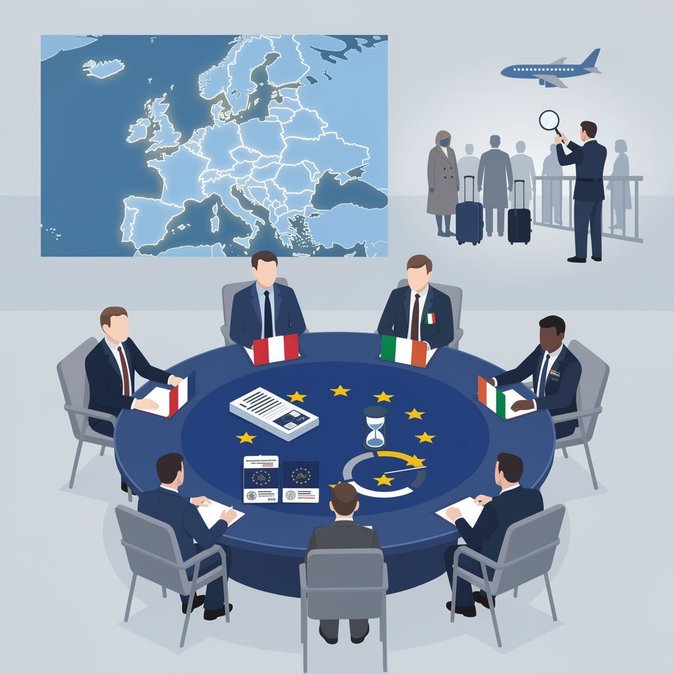
France has joined Italy in putting the brakes on a proposal circulating in Brussels that would bar current and former Russian combatants from obtaining Schengen visas or entering the EU-wide free-travel zone. The measure, drafted as part of the EU’s 21st sanctions package against Moscow, is championed by a bloc of 11 northern and eastern member states that argue it is impossible to vet individual travellers against the backdrop of alleged war-crimes in Ukraine. At a COREPER meeting on 25 June French diplomats argued that visa policy is a ‘shared competence’ rather than a sanctions instrument and warned that extending the Schengen Information System to military-service data could prove legally shaky and technically unworkable. Paris also underlined the economic weight of Russian visitors—France issued almost 180,000 visas to Russian nationals in 2025, a 23 % jump year-on-year—making blanket exclusions both complex and costly for its tourism sector. Opponents note that only a fraction of Russian travellers would be covered, yet processing every application manually would clog consulates already operating at capacity at the start of the northern-summer peak. Commission officials have floated two fall-back options: requiring applicants to prove the absence of military service, or inserting alerts into the Schengen database using intelligence supplied by member states. Either path would take months to deploy. Businesses with mobility programmes in France face immediate uncertainty. Corporate travel teams handling Russian talent or clients should anticipate longer processing times and the possibility of last-minute policy shifts before the sanctions vote scheduled for mid-July. Employers are advised to keep invitation letters and project documentation ready to demonstrate the civilian purpose of trips and to monitor consular appointment availability in Moscow, Yerevan and Dubai, where demand is surging. For now, Russian nationals can still apply under normal Schengen rules, but the debate signals that the political cost of hosting Russian travellers is rising—something that could ultimately translate into tougher national screening by French posts even without a formal EU-wide ban.
Source: Euronews
How VisaHQ can help
VisaHQ simplifies the visa application process for individuals and businesses. Check current travel requirements, prepare the required documents and manage your application online through the VisaHQ France portal.More From France
View all
RER D details emergency heatwave plan: slower schedules, on-board water and real-time rail-temperature checks
Schengen gears up for 2026 security overhaul: France confirms AI-driven risk scoring in ETIAS roll-out