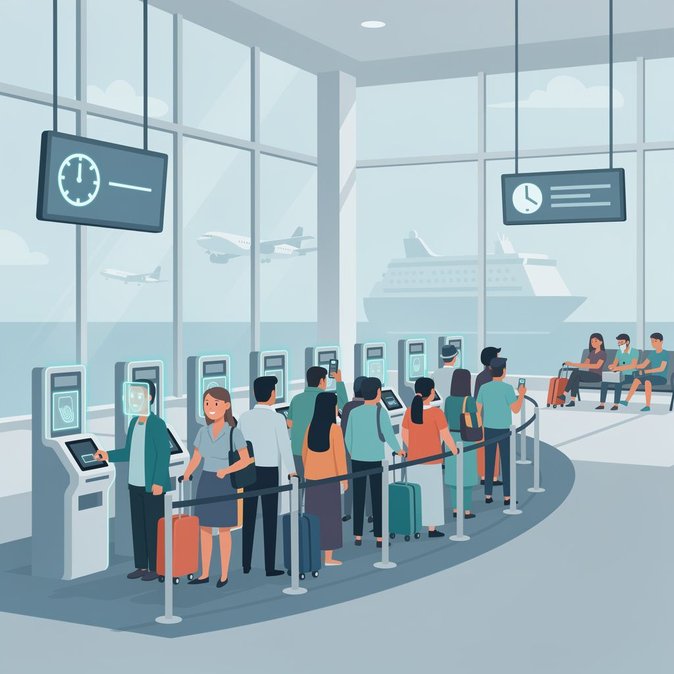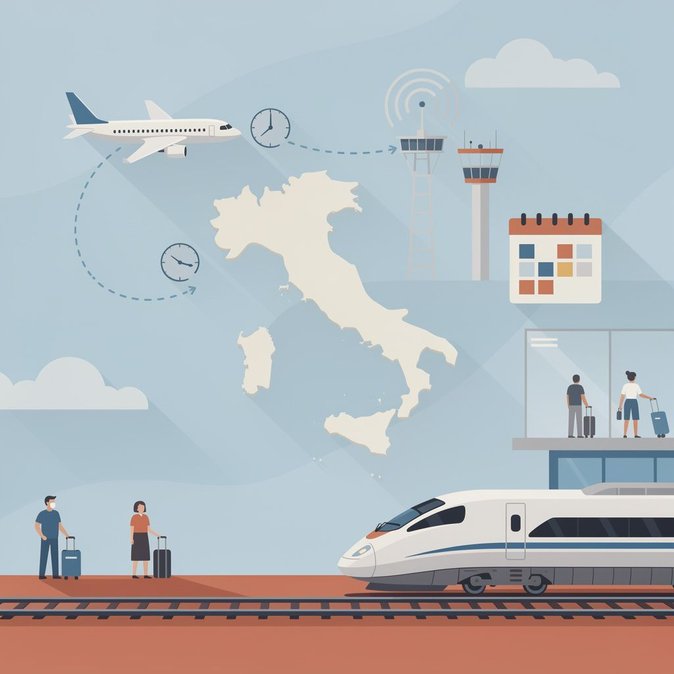
Italy’s summer of labour unrest is poised to intensify. According to the updated calendar released by the Commissione di Garanzia sugli Scioperi and reported by labour daily TuttoLavoro24 on 28 June, more than two dozen separate walk-outs are confirmed between Monday 29 June and Sunday 5 July. Transport is the hardest-hit vertical. EasyJet cabin crew, ENAV air-traffic controllers, ground-handling staff in Pisa, Palermo and Catania, and FedEx ramp agents in Varese will stage staggered 24-hour strikes on 5 July. Freight is also in the cross-hairs: DB Cargo drivers in Lombardy will stop work on 2 July, while port and cleaning crews linked to intermodal terminals plan actions earlier in the week. Although many strikes are localised, the cumulative effect could be severe. ENAV has legal authority to impose minimum service levels, but previous stoppages this year still triggered delays of up to three hours at Rome Fiumicino and Milan Malpensa. Rail passengers face sporadic disruption to regional and nursery-school commuter services, and employers relying on Fiditalia’s consumer-credit back-office should prepare for slower processing as banking unions down tools on 29–30 June. For mobility managers the timing is challenging: 1 July is the corporate transfer peak as assignees rotate into Italy on new fiscal contracts. Airlines are recommending that travellers build a 4-hour buffer for onward rail or ferry connections and register contact details so they can receive rebooking notices automatically. Companies with time-critical cargo through northern interports should reserve alternative trucking slots before capacity tightens. Looking ahead, the Guarantee Commission may yet order deferrals if public-service thresholds are breached, but past practice suggests decisions will come at the last minute. HR teams should alert employees to check strike status the evening before departure and hold proof of essential-business travel to qualify for any limited flights that operate.
Source: TuttoLavoro24
How VisaHQ can help
VisaHQ simplifies the visa application process for individuals and businesses. Check current travel requirements, prepare the required documents and manage your application online through the VisaHQ Italy portal.More From Italy
View all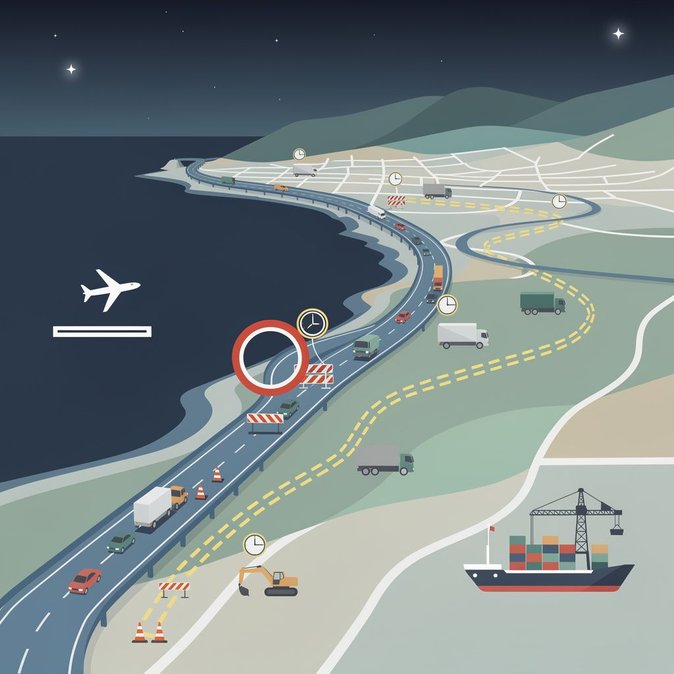
Night closures on A10 Genoa–Savona corridor could slow airport and port transfers in early July
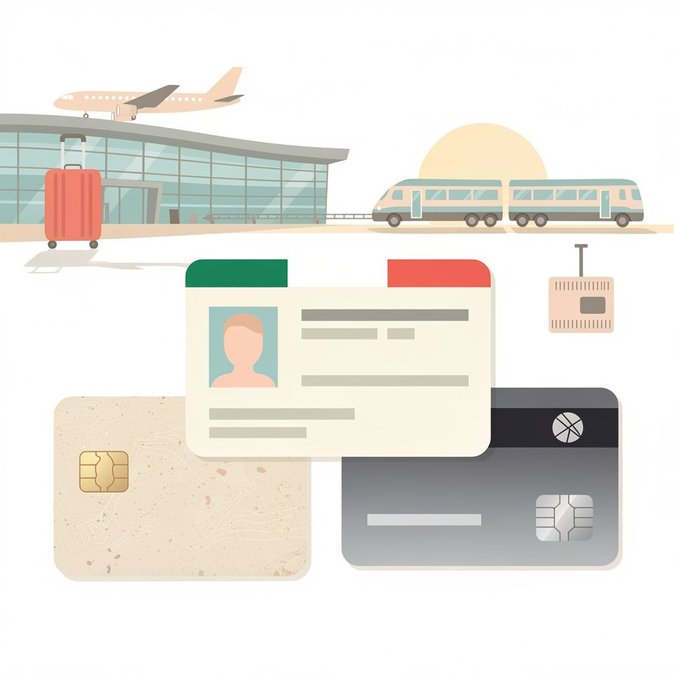
Italy extends validity of paper ID cards and introduces six-month provisional document for urgent travel