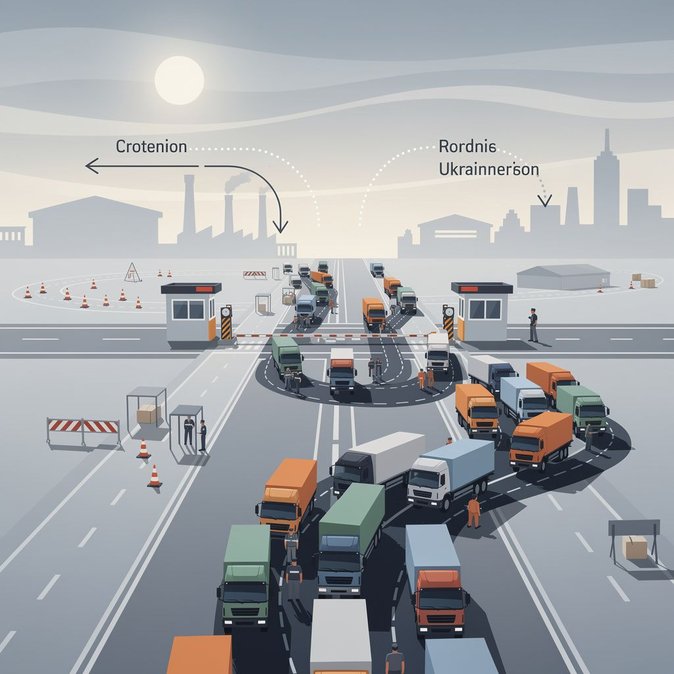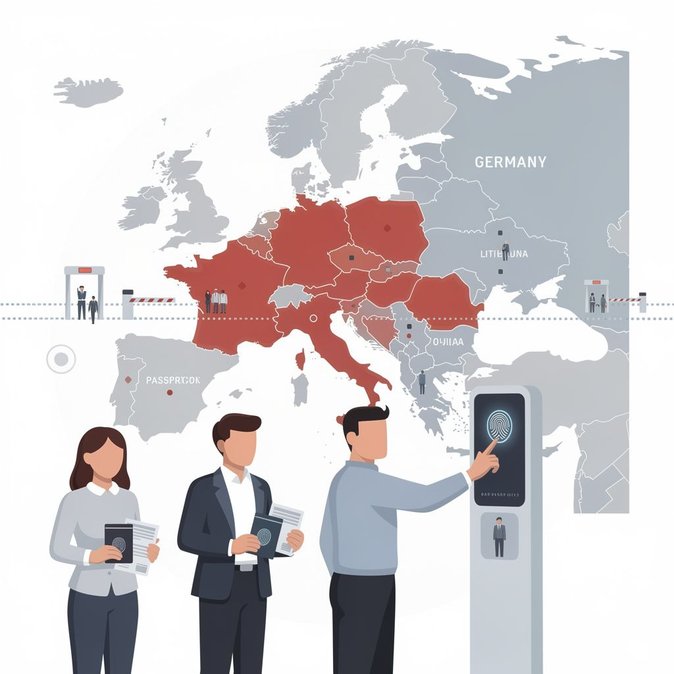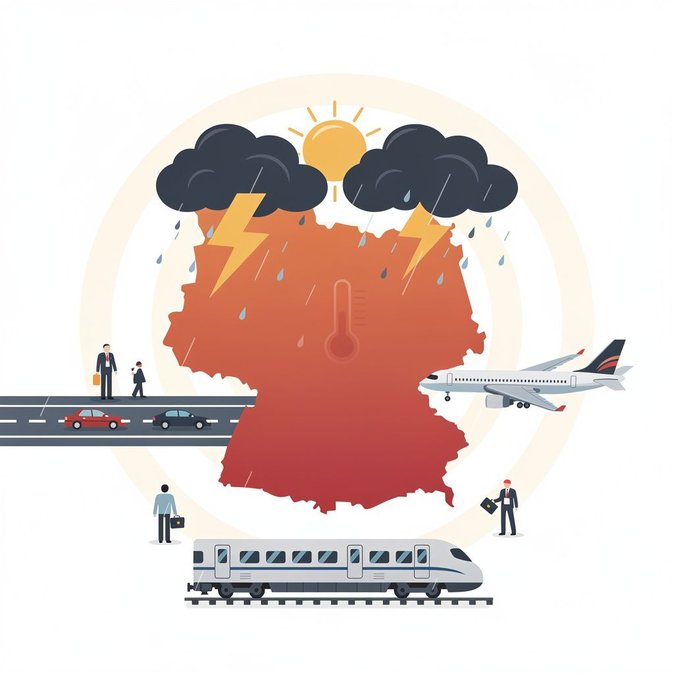
Poland’s Institute of Meteorology and Water Management (IMGW) and the Government Security Centre (RCB) triggered an unusual combination of level-II thunderstorm alerts and level-III extreme-heat warnings on Sunday, 28 June 2026, as temperatures surged to 38.9 °C in the border town of Słubice and forecasters cautioned that thermometers could top 42 °C in the coming 48 hours. The warnings cover virtually the entire country, with the most intense heat centred on the western voivodeships adjacent to Germany while violent, fast-moving storm cells are expected to sweep across the Baltic coast and the north-west late Sunday into Monday morning. For global mobility managers the timing is awkward: late June is traditionally one of the busiest weeks for corporate moves, summer internships and short-term rotation travel in Central Europe. Road surfaces around Poznań, Wrocław and the A2 and A4 motorway corridors are already experiencing softening asphalt and reduced speed limits, while rail operators PKP Intercity and Koleje Dolnośląskie have introduced temporary slow-orders of 20–40 km/h to protect overhead lines. LOT Polish Airlines reported “minor schedule padding” of up to 25 minutes at Warsaw Chopin and Kraków Balice airports to cope with heat-induced runway density-altitude restrictions. Companies operating time-critical cargo out of Poznań or Silesia are being advised to shift loads to the cooler overnight window or reroute via Gdańsk Port. Border operations are also under strain. German police have warned of possible ad-hoc lane closures at the Świecko/Frankfurt-Oder and Forst/Zasieki crossings if cross-winds exceed 90 km/h. Lithuania’s State Border Guard Service issued a parallel notice reminding drivers that Poland’s temporary controls on the Via Baltica remain in force and queues could lengthen during storms. The Ukrainian State Customs Service has already published contingency queue forecasts recommending early-morning departures from Medyka–Shehyni and Korczowa–Krakovets. Health authorities are urging employers to provide shaded rest areas, adjust outdoor work schedules and remind transferees of Poland’s strict workplace heat regulations, which require unlimited access to drinking water once temperatures rise above 28 °C indoors or 25 °C outdoors. Expatriates unfamiliar with Poland’s SMS-based RCB alert system should ensure their Polish SIM cards are active; foreign roaming numbers will not receive the free warnings. Looking ahead, meteorologists expect the heat dome to break mid-week as a cold front from Scandinavia moves in. Until then, travel managers should build a six-to-12-hour buffer into relocation timelines, monitor rail and motorway advisories, and remind staff that spontaneous schedule changes are not considered force majeure for Schengen stay-limit calculations.
Source: Polska Agencja Prasowa (PAP)