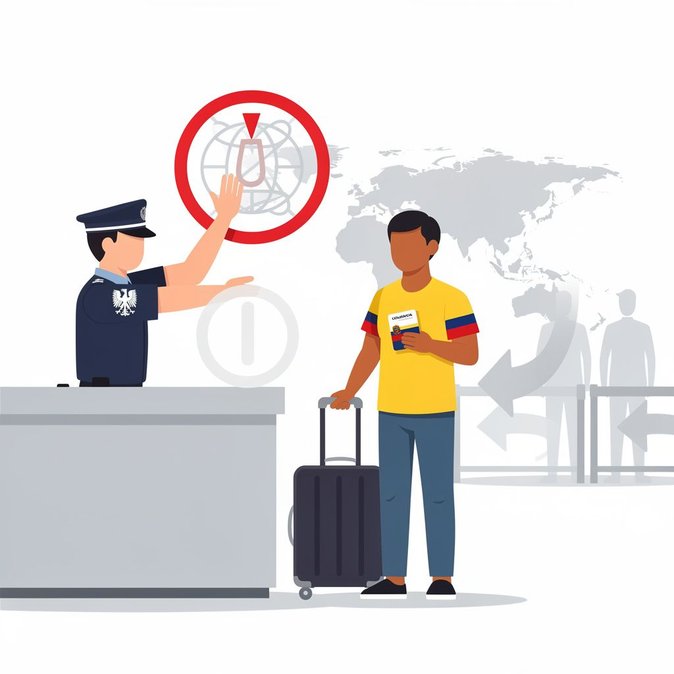
The Polish Border Guard (Straż Graniczna) confirmed on 26 June that officers from the Ustka station apprehended a 31-year-old Colombian national who was the subject of an Interpol red-notice warrant.
The man—convicted in Colombia and sentenced to 12 years in prison for aggravated sexual offences against a minor—had been hiding in Słupsk for several months.
A tip from the local district court, which had unsuccessfully sought his extradition, led to his arrest during a targeted operation in the city centre.
Ordinarily the next step would have been immediate administrative deportation.
However, minutes after being shown the court order the detainee submitted an application for international protection in Poland.
Under both EU and Polish law, an asylum request automatically suspends return proceedings until the claim is assessed.
Border Guard lawyers therefore petitioned a regional court to place the man in a secure foreigners’ detention centre, arguing that the risk of absconding and the serious nature of his conviction made alternatives such as bail inappropriate.
The court agreed and ordered confinement while the fast-track asylum procedure runs its course.
The case illustrates how criminal justice, immigration and asylum frameworks can collide.
Employers and mobility managers should note that once an asylum application is lodged—even by a person wanted internationally—Schengen states must examine the merits before extradition or removal can continue.
This can delay travel-ban enforcement for weeks or months and create reputational exposure if the individual is linked to a company assignment.
VisaHQ’s Poland team can help organizations anticipate and meet these stricter entry requirements by arranging Schengen visas, residence permits and document legalisation quickly and correctly; their online platform also tracks real-time rule changes so travelers avoid last-minute surprises. Details are available at https://www.visahq.com/poland/
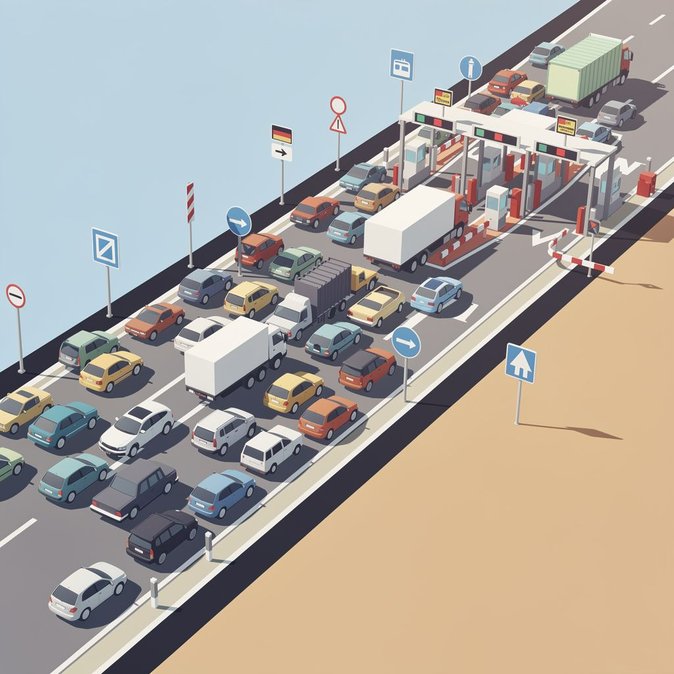
For Poland, the episode underscores the Border Guard’s reinforced focus on identifying high-risk foreign nationals since the Schengen “second-filter” checks on the German and Lithuanian frontiers were extended through 1 October 2026.
Companies moving staff through Poland should expect closer scrutiny of identity documents, criminal-record data and visa compliance, particularly for Latin-American and Asian passports that have featured in recent Interpol alerts.
Practically, employers should double-check that transferees carry clean criminal-record extracts and, where relevant, robust documentation proving the purpose of their stay.
If an employee is detained, legal counsel should be engaged immediately to clarify whether an asylum claim is genuine or a tactic to delay removal and to protect corporate interests.
The man—convicted in Colombia and sentenced to 12 years in prison for aggravated sexual offences against a minor—had been hiding in Słupsk for several months.
A tip from the local district court, which had unsuccessfully sought his extradition, led to his arrest during a targeted operation in the city centre.
Ordinarily the next step would have been immediate administrative deportation.
However, minutes after being shown the court order the detainee submitted an application for international protection in Poland.
Under both EU and Polish law, an asylum request automatically suspends return proceedings until the claim is assessed.
Border Guard lawyers therefore petitioned a regional court to place the man in a secure foreigners’ detention centre, arguing that the risk of absconding and the serious nature of his conviction made alternatives such as bail inappropriate.
The court agreed and ordered confinement while the fast-track asylum procedure runs its course.
The case illustrates how criminal justice, immigration and asylum frameworks can collide.
Employers and mobility managers should note that once an asylum application is lodged—even by a person wanted internationally—Schengen states must examine the merits before extradition or removal can continue.
This can delay travel-ban enforcement for weeks or months and create reputational exposure if the individual is linked to a company assignment.
VisaHQ’s Poland team can help organizations anticipate and meet these stricter entry requirements by arranging Schengen visas, residence permits and document legalisation quickly and correctly; their online platform also tracks real-time rule changes so travelers avoid last-minute surprises. Details are available at https://www.visahq.com/poland/
For Poland, the episode underscores the Border Guard’s reinforced focus on identifying high-risk foreign nationals since the Schengen “second-filter” checks on the German and Lithuanian frontiers were extended through 1 October 2026.
Companies moving staff through Poland should expect closer scrutiny of identity documents, criminal-record data and visa compliance, particularly for Latin-American and Asian passports that have featured in recent Interpol alerts.
Practically, employers should double-check that transferees carry clean criminal-record extracts and, where relevant, robust documentation proving the purpose of their stay.
If an employee is detained, legal counsel should be engaged immediately to clarify whether an asylum claim is genuine or a tactic to delay removal and to protect corporate interests.