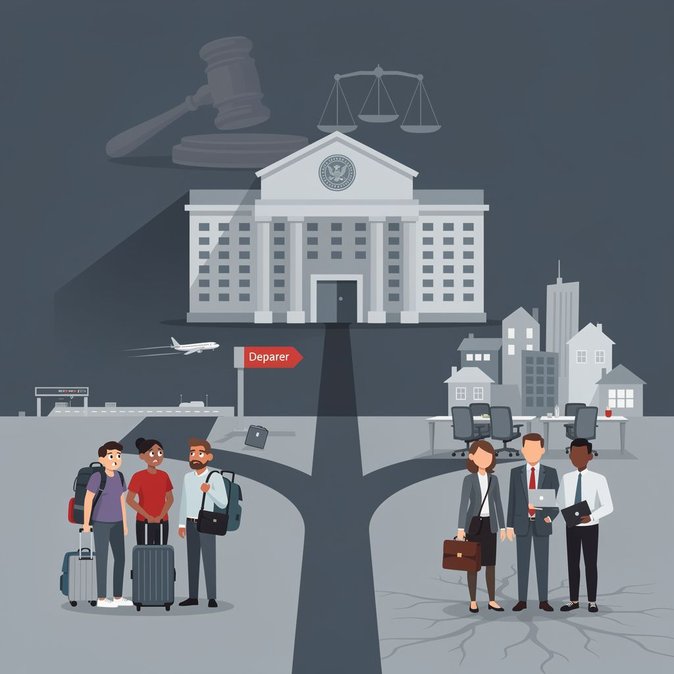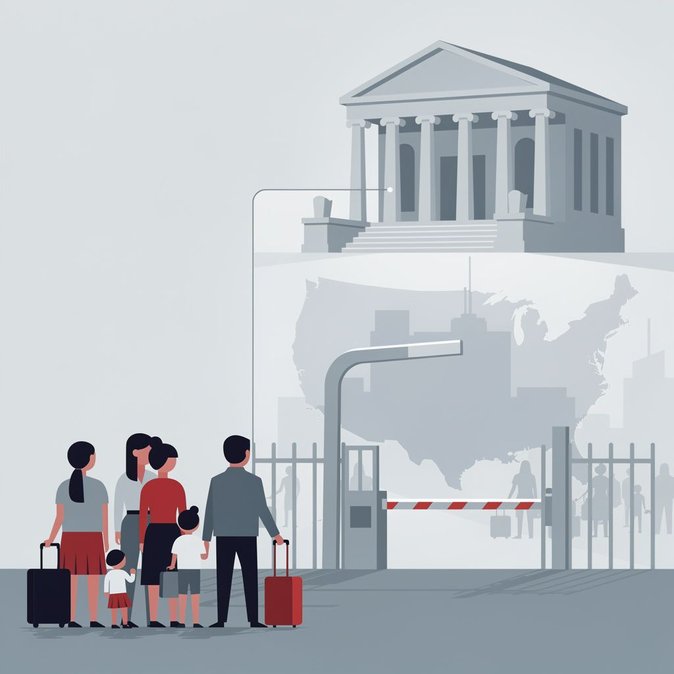
In a decision with immediate operational impact on corporate immigration programs, the U.S. District Court for the District of Rhode Island this morning struck down U.S. Citizenship and Immigration Services’ secret “pause” on applications filed by nationals of 39 predominantly Muslim-majority and African countries. The court held that USCIS violated the Administrative Procedure Act when, acting on internal Trump-era guidance, it placed thousands of green-card, work-permit, asylum and naturalization cases into indefinite administrative holds.
Employers and individuals scrambling to understand the next steps should know that VisaHQ’s immigration specialists monitor USCIS bulletins in real time and can assist with document checklists, priority-tier filing strategies, and country-specific compliance updates; see https://www.visahq.com/united-states/ for details.
The class-action lawsuit—Dorcas International Institute of Rhode Island v. USCIS—was filed by nonprofit legal groups, universities and employers who said the freeze had stranded families and disrupted hiring plans. Judge Allison Burroughs ruled that the agency “may investigate, vet, approve or deny, but it cannot simply refuse to adjudicate.” She ordered USCIS to resume processing within 14 days and to issue quarterly status reports to the court. For multinationals, the ruling is a lifeline for hundreds of foreign professionals whose H-1B, L-1 or STEM-OPT work authorization was set to expire while their green-card cases languished. Global mobility managers should identify employees from the 39 affected nations and prepare to respond quickly to Requests for Evidence that may now move forward. In the short term, employers may also see an uptick in premium-processing fees as they rush to salvage time-sensitive projects. The decision exposes the legal vulnerability of nationality-based policies across the immigration spectrum. Attorneys expect plaintiffs to cite today’s ruling in challenges to the State Department’s parallel directive instructing consular posts to “ask all nonimmigrant visa applicants whether they fear return and refuse visas if they answer yes.” While the Administration has not yet announced whether it will appeal, observers believe USCIS may issue a public notice clarifying how it will prioritize the newly-unfrozen backlog—raising questions about adjudication timelines for other applicant groups. Companies should monitor the agency’s official channels and budget for possible downstream fingerprints-and-interview scheduling spikes.
Employers and individuals scrambling to understand the next steps should know that VisaHQ’s immigration specialists monitor USCIS bulletins in real time and can assist with document checklists, priority-tier filing strategies, and country-specific compliance updates; see https://www.visahq.com/united-states/ for details.
The class-action lawsuit—Dorcas International Institute of Rhode Island v. USCIS—was filed by nonprofit legal groups, universities and employers who said the freeze had stranded families and disrupted hiring plans. Judge Allison Burroughs ruled that the agency “may investigate, vet, approve or deny, but it cannot simply refuse to adjudicate.” She ordered USCIS to resume processing within 14 days and to issue quarterly status reports to the court. For multinationals, the ruling is a lifeline for hundreds of foreign professionals whose H-1B, L-1 or STEM-OPT work authorization was set to expire while their green-card cases languished. Global mobility managers should identify employees from the 39 affected nations and prepare to respond quickly to Requests for Evidence that may now move forward. In the short term, employers may also see an uptick in premium-processing fees as they rush to salvage time-sensitive projects. The decision exposes the legal vulnerability of nationality-based policies across the immigration spectrum. Attorneys expect plaintiffs to cite today’s ruling in challenges to the State Department’s parallel directive instructing consular posts to “ask all nonimmigrant visa applicants whether they fear return and refuse visas if they answer yes.” While the Administration has not yet announced whether it will appeal, observers believe USCIS may issue a public notice clarifying how it will prioritize the newly-unfrozen backlog—raising questions about adjudication timelines for other applicant groups. Companies should monitor the agency’s official channels and budget for possible downstream fingerprints-and-interview scheduling spikes.