Spain’s Extraordinary Immigration Regularization Nears One Million Applications as Deadline Expires
UK to expand detention estate to drive record removals of illegal migrants and foreign criminals
Air-Traffic-Control and Airline Strikes Threaten Chaos at Italian Airports on 5 July
Latest News
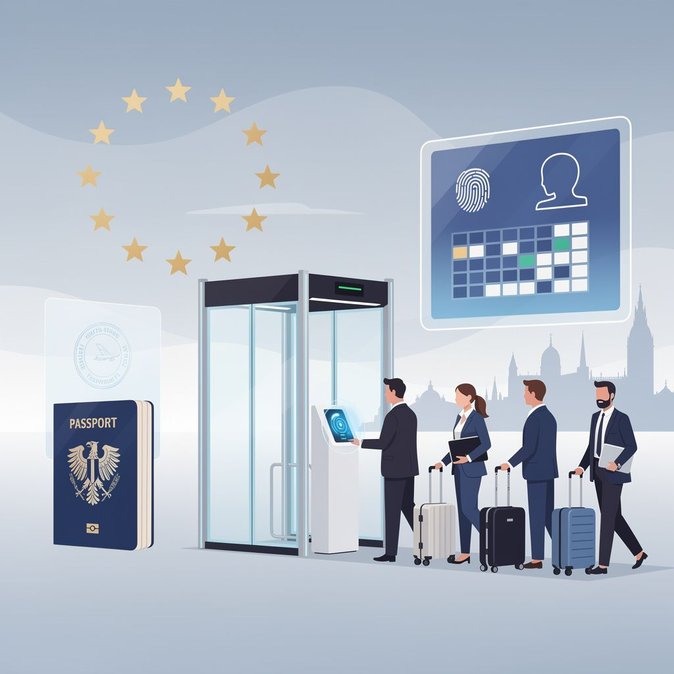
Schengen’s Biometric Border Era Begins: Austria Deploys EES, Retires Passport Stamps
Austria switched fully to the EU’s new Entry/Exit System on 29 June 2026, ending passport stamping for non-EU visitors. The biometric database automatically counts Schengen days, raising compliance stakes for business travellers and their employers. Companies should review travel-tracking processes in advance of the linked ETIAS permit later this year.

CBSA introduces “Free-Flow” transit: no more customs kiosks for eligible international-to-international connections
CBSA has activated a new “Free-Flow” International-to-International Transit process at three major hubs, allowing most through-passengers to skip customs kiosks and proceed directly to their next flight. The change is designed to shorten connection times, free up officers for higher-risk tasks and boost airport capacity ahead of World Cup 2026.

Government outlines new Employer-Sponsorship Route for recognised refugees
A draft Immigration and Asylum Bill would create a brand-new Employer Sponsorship Route enabling UK firms to recruit recognised refugees vetted by the UNHCR. While salary levels, licence requirements and compliance duties are still unknown, the pathway could help fill labour shortages and embed ESG goals—provided employers are ready for additional integration responsibilities.

Asylum applications to Ireland halve in first fortnight of EU Migration Pact, says Justice Minister
Justice Minister Jim O’Callaghan said only 272 people applied for asylum in Ireland between 12 and 26 June, roughly half the volume recorded in the previous fortnight, crediting new EU-wide screening rules. The drop could relieve pressure on emergency accommodation but may complicate family-based relocations. Employers are advised to review mobility timelines and ensure speedy work-permit applications as enforcement tightens.
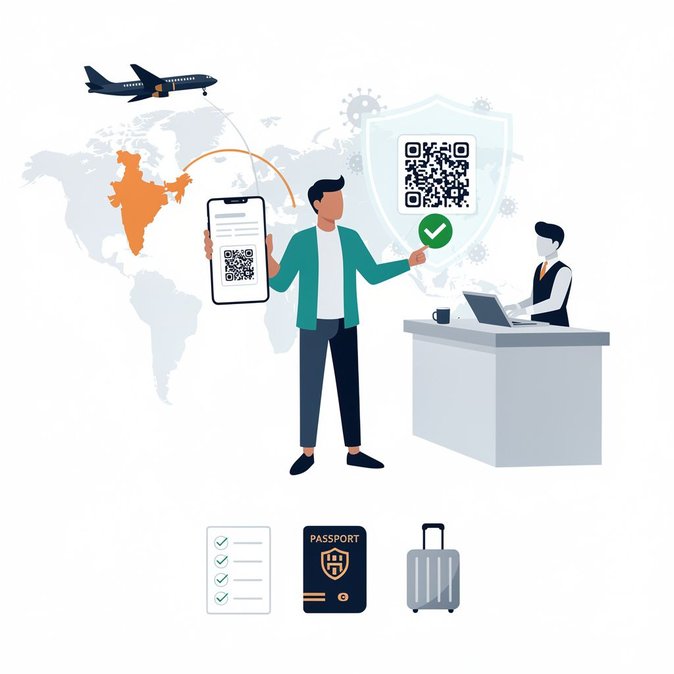
Air Suvidha 2.0 becomes mandatory for every international arrival into India
India has re-introduced a compulsory online health declaration—Air Suvidha 2.0—for all international passengers effective 25 June 2026. The measure, linked to global Ebola surveillance, requires travellers to upload personal, flight and recent-travel details before departure and carry a QR code to clear immigration. Firms moving staff into India must update pre-trip compliance check-lists and guard against fake fee-charging websites.
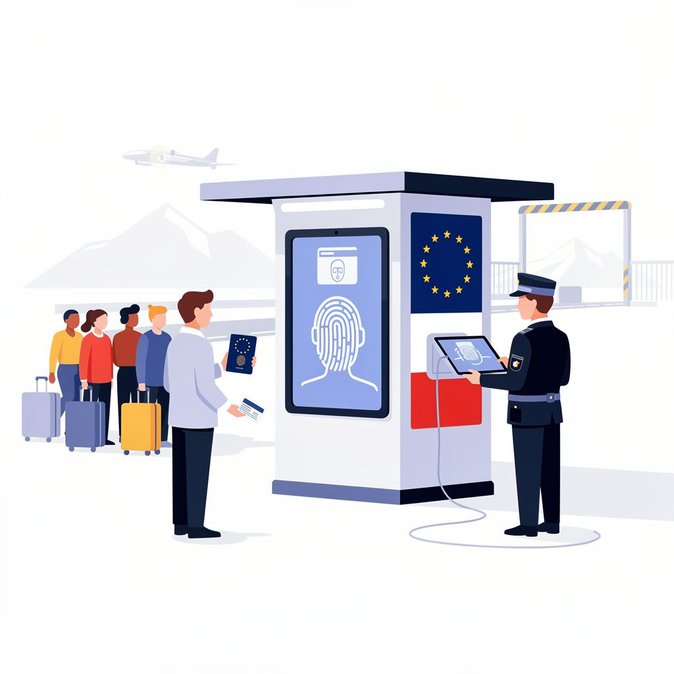
Austria joins full roll-out of EU Entry/Exit System, ending passport stamps ahead of ETIAS launch
Austrian border posts now use the EU’s biometric Entry/Exit System instead of stamping passports, making 29 June 2026 a watershed moment in Schengen travel. The change lengthens first-time border processing but gives authorities real-time overstay data. Firms must update traveller guidance and prepare for ETIAS—the pre-travel authorisation due in late 2026—to avoid costly boarding denials and itinerary disruptions.

Icy runway conditions cause wave of delays and cancellations at Zurich Airport
Sub-zero temperatures overnight turned parts of Zurich Airport’s runway system into an ice-rink, forcing de-icing operations that triggered at least 16 flight cancellations and widespread delays on 29 June 2026. The disruption affects key European business routes and underscores the need for contingency buffers in Swiss travel plans.
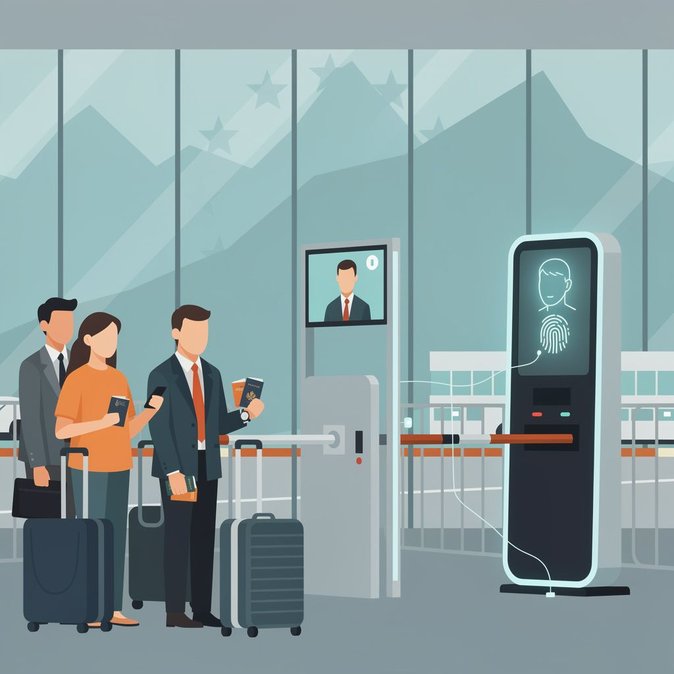
Schengen’s New Biometric Entry/Exit System Goes Live—Switzerland Fully Integrated
The EU’s biometric Entry/Exit System (EES) became operational on 29 June 2026 and Switzerland, as a Schengen associate, activated the system at all external border points. The change abolishes passport stamps and requires facial and fingerprint scans of third-country travellers, a development that could lengthen queues and complicate trip-counting rules for business visitors and dual nationals. Swiss companies should revise travel policies, build extra time into itineraries and brief staff on document-consistency rules.
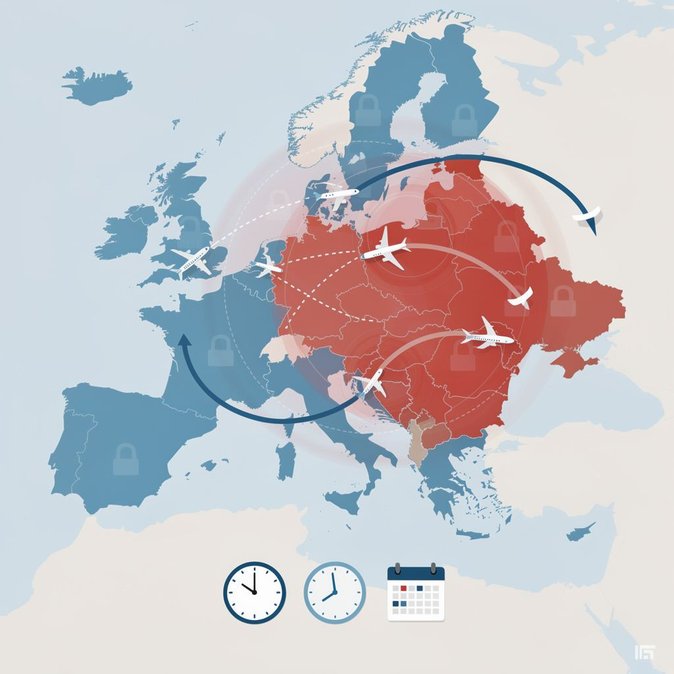
Germany Extends Total Flight Ban Over Ukrainian Airspace Until 29 October 2026
Berlin has formally extended and tightened its Ukrainian air-space prohibition, banning all German-licensed aircraft from six Ukrainian FIRs until 29 October 2026. German passenger and cargo airlines must continue lengthy detours, increasing block times and operating costs, while travel managers are urged to pad itineraries and update duty-of-care policies. The move reflects ongoing security risks from the war and locks current routings in place for at least another four months.
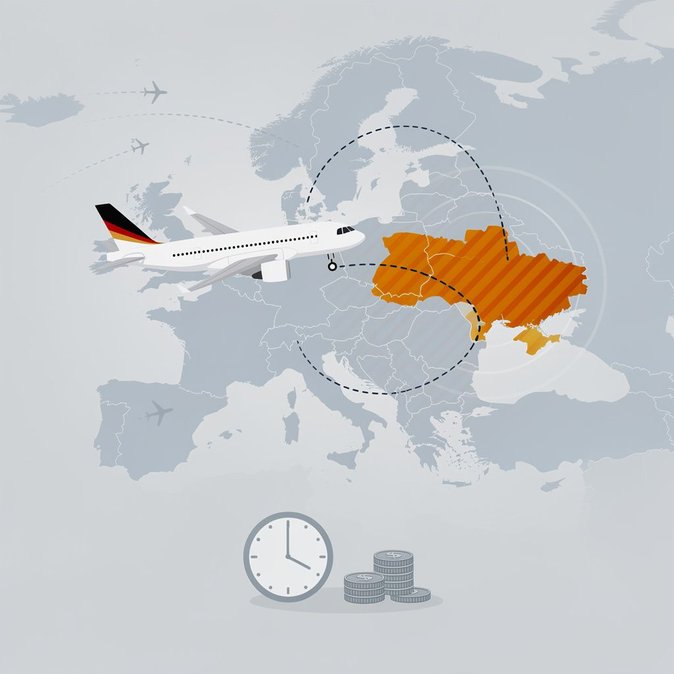
Germany Extends Flight Ban Over Ukrainian Airspace Until 29 October 2026
The transport ministry has renewed its ban on German aircraft using Ukrainian airspace until at least 29 October 2026, citing ongoing military risks. Airlines must continue to plan longer routings, raising costs and transit times for passenger and cargo traffic. Mobility managers should brief travellers about possible last-minute schedule changes.

Finland sees renewed surge in work-based residence permit applications
Migri now expects up to 14,000 first-time work-based residence-permit applications in 2027, a 16 % year-on-year jump driven by major energy and battery projects and recent tax incentives for key employees. The agency warns employers to plan for higher volumes and tighter language-integration rules as Finland competes for international talent.

Eurostar services hit by mass delays & cancellations at Paris Gare du Nord
Eurostar issued an unprecedented set of delay and cancellation alerts on 29 June, centred on Paris Gare du Nord. The knock-on effect stretched across France-UK-Benelux-Germany routes, upsetting travel plans for thousands of business passengers. Companies are urged to add slack to itineraries and consider remote alternatives.

15-year settlement plan for migrant care workers branded ‘cruel’ by campaigners
Leaked Home Office plans would make overseas care workers wait 15 years—rather than the standard five—to secure Indefinite Leave to Remain. A public row between Home Secretary Mahmood and junior minister Tapp has erupted, while unions warn the proposal would entrench exploitation in an already vulnerable workforce. Employers in the care sector face heightened compliance and reputational exposure.
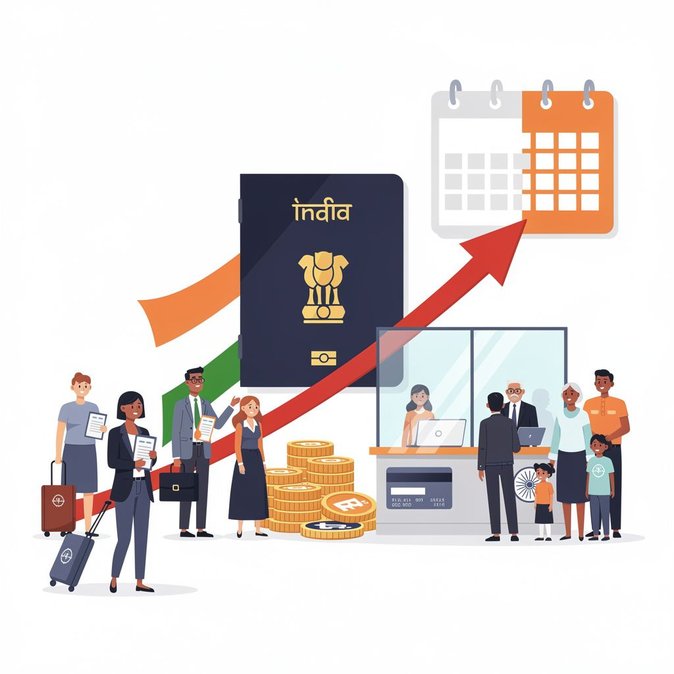
Passport fees in India to jump up to 75 % from 1 July under new MEA rules
From 1 July 2026, India will levy sharply higher passport fees under the Passports (Amendment) Rules 2026. A standard adult passport will cost ₹2,500 (up 67 %), while Tatkaal fees rise to as much as ₹6,000. The hike will hit both domestic applicants and diaspora Indians using overseas missions, forcing companies and travellers to revise documentation budgets and, where possible, file before the June-end deadline.

Nationwide Rail Strike to Halt Italian Trains from the Evening of 29 June
Italian rail services will shut down from 21:00 on 29 June to 21:00 on 30 June due to a national strike by shunting and terminal staff. Only legally mandated rush-hour services will run, and both passenger and freight operations face widespread cancellations. Business travellers and mobility managers should re-route critical journeys, allow extra lead-time for shipments, and brief assignees on contingency plans.

State Department’s Pay.gov Rollout Triggers Consular Fee Confusion and Section 221(g) Visa Holds
The State Department has migrated many visa-issuance and reciprocity fee payments to Pay.gov. Glitches in the new system are causing consular officers to issue INA §221(g) holds, delaying visas and disrupting start-dates for multinational staff. Employers should retain digital receipts and build extra time into travel plans until the platform stabilises.

State Department’s Switch to Pay.gov Disrupts Visa Issuance Worldwide
The State Department has begun routing many visa-issuance and reciprocity fees through Pay.gov. Glitches in the new system are preventing timely fee verification, triggering Section 221(g) holds and delaying visa issuance for business travelers. Companies should pay fees well in advance, keep receipts and build extra lead-time into assignment schedules.