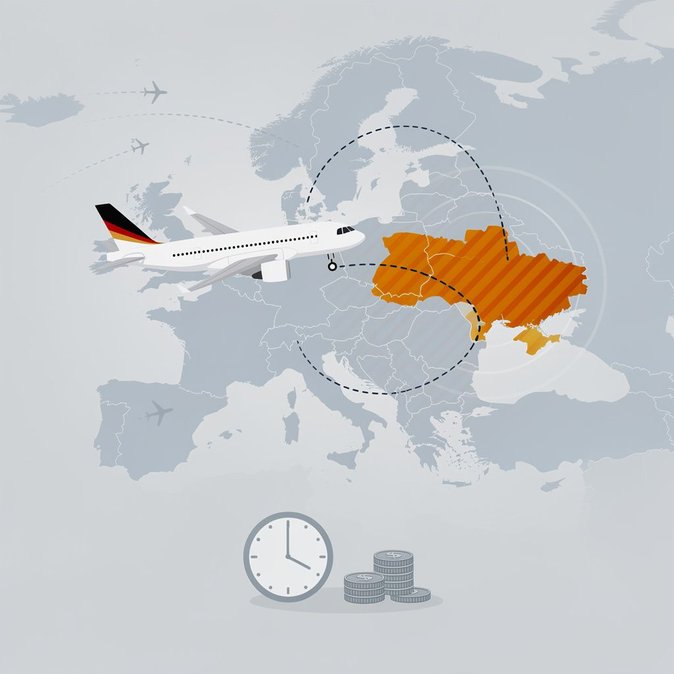
Late on 29 June 2026 the Federal Ministry for Transport (BMV) published a new General Decree that prolongs – for the 16th time since February 2022 – the prohibition on German-registered and German-operated aircraft to enter six Ukrainian flight-information regions, including Kyiv, Lviv and Odesa. The order, which takes immediate effect and now runs through 29 October 2026, cites the continuing high intensity of Russian missile and drone attacks and the daily operation of military aircraft over Ukraine. The decree is legally grounded in §26a of Germany’s Air Traffic Act, which empowers the ministry to restrict operations outside national airspace if there is “concrete danger” to the safety of crews and passengers. Commercial overflights, charter services and private business aviation are all covered. Only a narrowly defined list of humanitarian, UN, governmental and emergency flights are exempt. For airlines the extension means longer routings and higher fuel burn on services between Germany and destinations in the Gulf, South-East Asia and the Caucasus that would normally cross Ukrainian skies. Carriers such as Lufthansa, Condor and several corporate shuttle operators have already built the detours – typically via Romania and Turkey – into their flight-planning systems, adding 10-25 minutes per sector. The cost is usually passed on to corporate travel programmes through higher YQ fuel surcharges. German travel managers should continue to advise assignees and business travellers that routings displayed in GDSs or online booking tools may change at short notice when threat levels are reassessed. Cargo operators moving high-value or time-critical goods should also factor in the longer transit times when scheduling just-in-time deliveries. The decree contains an explicit revocation clause, allowing the ministry to lift or tighten the ban at any moment if the security situation evolves – a reminder that routing risks will remain a board-level concern for mobility and security teams throughout 2026.
Source: Bundesministerium für Verkehr
How VisaHQ can help
VisaHQ simplifies the visa application process for individuals and businesses. Check current travel requirements, prepare the required documents and manage your application online through the VisaHQ Germany portal.More From Germany
View all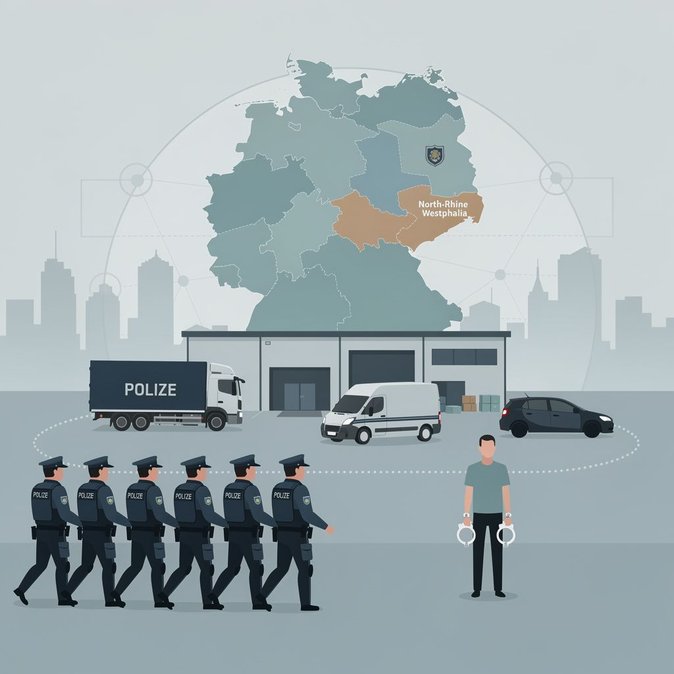
German Police Dismantle Alleged Human-Smuggling Network in NRW, Arrest Syrian Ringleader
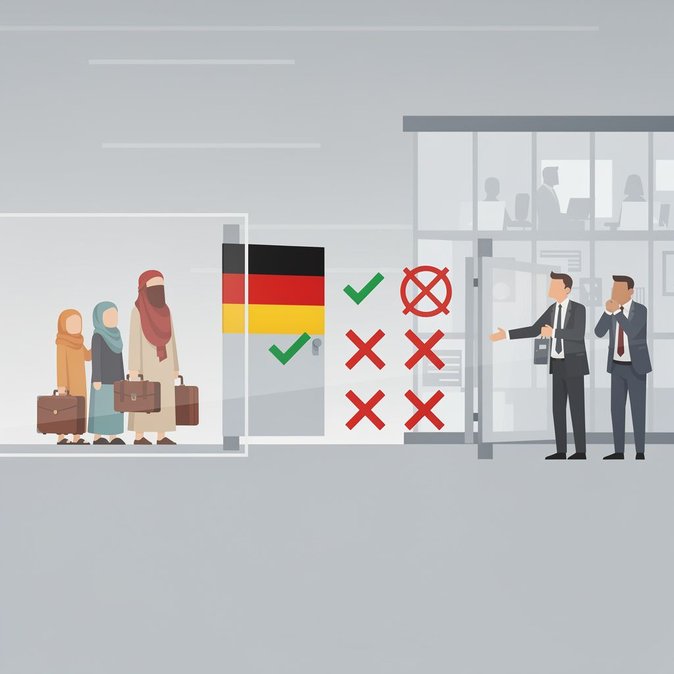
One-Year Review Shows Germany’s Family-Reunification Freeze Disproportionately Hurts Syrians and Afghans