Austria’s unprecedented June heatwave reached a nationwide record of 40 °C in Vienna on 28 June and has since begun to cripple critical transport infrastructure. National rail operator ÖBB warned on 29 June that extreme temperatures are causing ‘Gleisverwerfungen’—heat-induced track warping—leading to speed restrictions, emergency inspections and the temporary closure of several regional lines. Travellers are advised to avoid non-essential journeys, carry water and check connections before departure.
For travellers who still need to be on the move, VisaHQ can streamline at least one variable: paperwork. Whether you’re a resident planning a short-notice business trip abroad to escape the heat or an expatriate needing to adjust your Austrian status, our online platform (https://www.visahq.com/austria/) offers fast visa and passport services, real-time status tracking and expert support—helping you focus on safeguarding your itinerary while we handle the documentation.
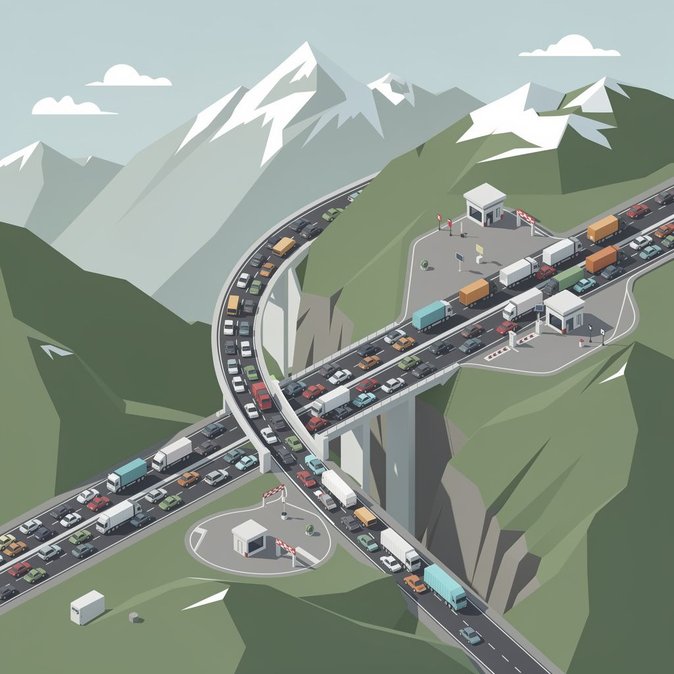
Road networks are under similar stress. Motorway concessionaire ASFINAG reported ‘blow-ups’ on the A1 Westautobahn near Haag, where buckled concrete blocked two of three lanes over the weekend. Crews have introduced rolling repairs and lowered speed limits, but motorists should expect tailbacks and diversions, particularly on east–west freight corridors vital to Austrian exporters. Urban transport has not been spared: Vienna’s tram lines 25, 26 and 27 experienced service suspensions after rails expanded beyond tolerance levels. Replacement buses are running, yet capacity is reduced. Businesses with just-in-time logistics or field-service teams should reassess delivery windows and remote-work options while the red heat alert remains in force. The Austrian meteorological service (ZAMG) forecasts temperatures above 35 °C for parts of Burgenland and Styria until mid-week, after which a cold front should bring relief. Nevertheless, infrastructure operators warn that accumulated thermal stress may cause latent defects to surface even after the heat subsides, implying a longer tail of maintenance-related disruption well into July. For mobility managers, the episode is a reminder that climate-related events are no longer fringe issues but direct drivers of travel cost, itinerary reliability and employee well-being policies. Companies should update crisis-communication templates to include extreme-heat contingencies and review insurance coverage for temperature-linked business-interruption claims.
For travellers who still need to be on the move, VisaHQ can streamline at least one variable: paperwork. Whether you’re a resident planning a short-notice business trip abroad to escape the heat or an expatriate needing to adjust your Austrian status, our online platform (https://www.visahq.com/austria/) offers fast visa and passport services, real-time status tracking and expert support—helping you focus on safeguarding your itinerary while we handle the documentation.
Road networks are under similar stress. Motorway concessionaire ASFINAG reported ‘blow-ups’ on the A1 Westautobahn near Haag, where buckled concrete blocked two of three lanes over the weekend. Crews have introduced rolling repairs and lowered speed limits, but motorists should expect tailbacks and diversions, particularly on east–west freight corridors vital to Austrian exporters. Urban transport has not been spared: Vienna’s tram lines 25, 26 and 27 experienced service suspensions after rails expanded beyond tolerance levels. Replacement buses are running, yet capacity is reduced. Businesses with just-in-time logistics or field-service teams should reassess delivery windows and remote-work options while the red heat alert remains in force. The Austrian meteorological service (ZAMG) forecasts temperatures above 35 °C for parts of Burgenland and Styria until mid-week, after which a cold front should bring relief. Nevertheless, infrastructure operators warn that accumulated thermal stress may cause latent defects to surface even after the heat subsides, implying a longer tail of maintenance-related disruption well into July. For mobility managers, the episode is a reminder that climate-related events are no longer fringe issues but direct drivers of travel cost, itinerary reliability and employee well-being policies. Companies should update crisis-communication templates to include extreme-heat contingencies and review insurance coverage for temperature-linked business-interruption claims.