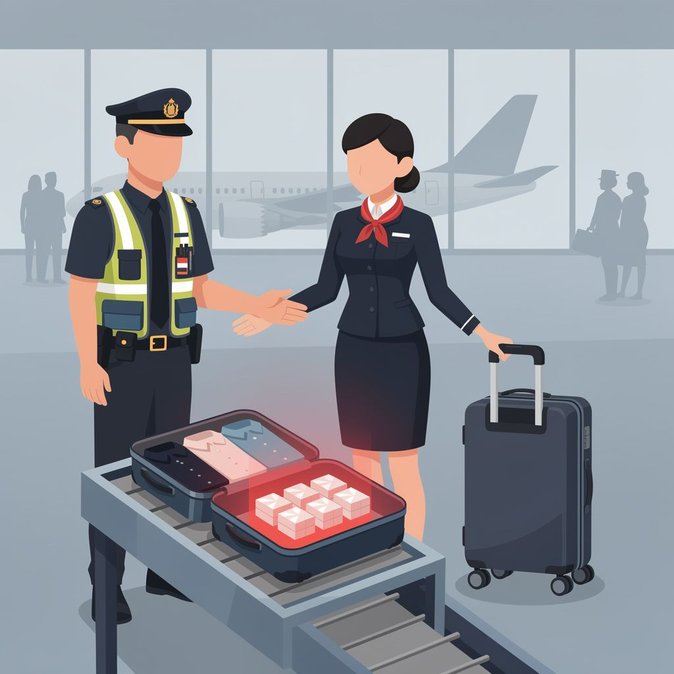
Australian Border Force (ABF) and the Australian Federal Police have charged a 26-year-old Thai national cabin-crew member with importing more than one kilogram of heroin concealed in tote-bag linings on arrival at Melbourne Airport. The woman arrived on 25 June while on duty but was intercepted when X-ray screening detected anomalies. Authorities estimate the narcotics could have generated AUD 500,000 on the street.
For travellers and corporate mobility planners seeking clarity on Australia’s strict entry requirements, VisaHQ offers up-to-date visa and document processing services, including guidance on customs regulations and prohibited items. Their Australia portal (https://www.visahq.com/australia/) consolidates official rules, helping passengers and crew avoid inadvertent breaches and ensuring paperwork is in order before departure.
The accused faces two Commonwealth drug offences, each carrying a maximum 25-year sentence, and has been remanded until a 14 September court appearance. ABF Commander Clint Sims said trusted-insider threats remain a serious concern and warned criminal syndicates that airline staff are no shield against detection. For airlines, the incident is a reminder to reinforce crew-baggage protocols and work closely with border agencies on intelligence sharing. From a mobility perspective, the case underscores Australia’s zero-tolerance approach at the border – even crew on active duty are subject to full screening. Corporate travel managers should brief assignees and VIP travellers on strict baggage controls and the severe penalties for narcotics offences.
For travellers and corporate mobility planners seeking clarity on Australia’s strict entry requirements, VisaHQ offers up-to-date visa and document processing services, including guidance on customs regulations and prohibited items. Their Australia portal (https://www.visahq.com/australia/) consolidates official rules, helping passengers and crew avoid inadvertent breaches and ensuring paperwork is in order before departure.
The accused faces two Commonwealth drug offences, each carrying a maximum 25-year sentence, and has been remanded until a 14 September court appearance. ABF Commander Clint Sims said trusted-insider threats remain a serious concern and warned criminal syndicates that airline staff are no shield against detection. For airlines, the incident is a reminder to reinforce crew-baggage protocols and work closely with border agencies on intelligence sharing. From a mobility perspective, the case underscores Australia’s zero-tolerance approach at the border – even crew on active duty are subject to full screening. Corporate travel managers should brief assignees and VIP travellers on strict baggage controls and the severe penalties for narcotics offences.