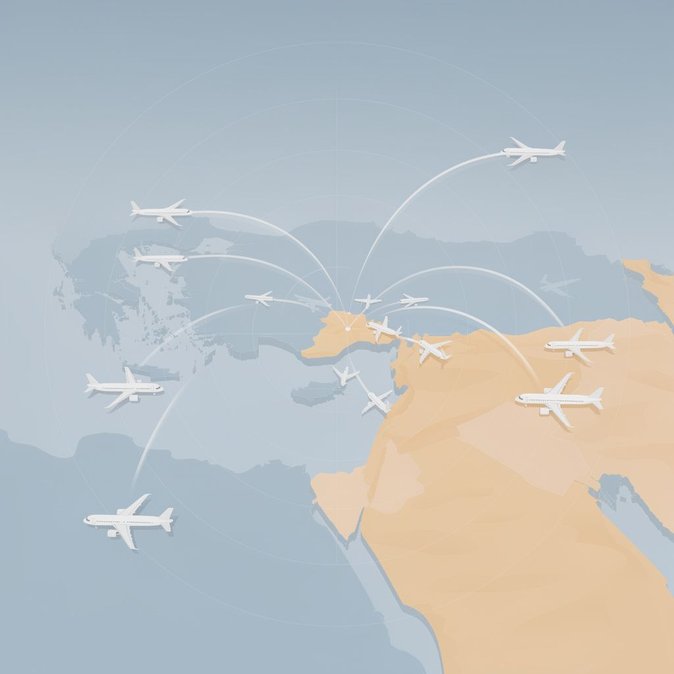
Bahrain-based Kanoo Travel released its latest Gulf Cooperation Council travel bulletin at 11:00 GST on 30 June, confirming that UAE, Saudi Arabia and Oman airspace are “fully operational” and that Dubai, Abu Dhabi, Sharjah and the northern-emirate airports are functioning without disruption. The update follows several weeks of rolling capacity adjustments in the wake of earlier regional security alerts. Kuwait and Bahrain have also reopened their airspace, though some carriers continue to run trimmed schedules.
Meanwhile, travellers who need to verify changing visa requirements alongside these flight updates can lean on VisaHQ’s specialised GCC services. The company’s UAE portal (https://www.visahq.com/united-arab-emirates/) offers real-time eligibility checks, streamlined group submissions and door-to-door courier pickup, helping corporate travel teams keep documentation in sync with the region’s rapidly shifting operational landscape.
In the UAE, national carriers Emirates, Etihad and flydubai have restored normal frequencies on most routes, while low-cost peers Air Arabia and Flynas still list “limited operations” to selected destinations. Corporate travel managers should nevertheless keep dynamic approvals in place: the advisory urges passengers not to proceed to the airport unless flights are reconfirmed, and to expect short-notice retiming as airlines rebalance fleets. Travellers transiting through the Gulf on complex itineraries may want to build in wider connection margins until load factors stabilise. The improved operating picture is welcome news for companies scrambling to finalise summer relocation moves before the UAE school break on 3 July. Mobility teams should continue to monitor airline alerts and ensure travellers are enrolled in real-time tracking tools to capture any late-breaking route changes.
Meanwhile, travellers who need to verify changing visa requirements alongside these flight updates can lean on VisaHQ’s specialised GCC services. The company’s UAE portal (https://www.visahq.com/united-arab-emirates/) offers real-time eligibility checks, streamlined group submissions and door-to-door courier pickup, helping corporate travel teams keep documentation in sync with the region’s rapidly shifting operational landscape.
In the UAE, national carriers Emirates, Etihad and flydubai have restored normal frequencies on most routes, while low-cost peers Air Arabia and Flynas still list “limited operations” to selected destinations. Corporate travel managers should nevertheless keep dynamic approvals in place: the advisory urges passengers not to proceed to the airport unless flights are reconfirmed, and to expect short-notice retiming as airlines rebalance fleets. Travellers transiting through the Gulf on complex itineraries may want to build in wider connection margins until load factors stabilise. The improved operating picture is welcome news for companies scrambling to finalise summer relocation moves before the UAE school break on 3 July. Mobility teams should continue to monitor airline alerts and ensure travellers are enrolled in real-time tracking tools to capture any late-breaking route changes.