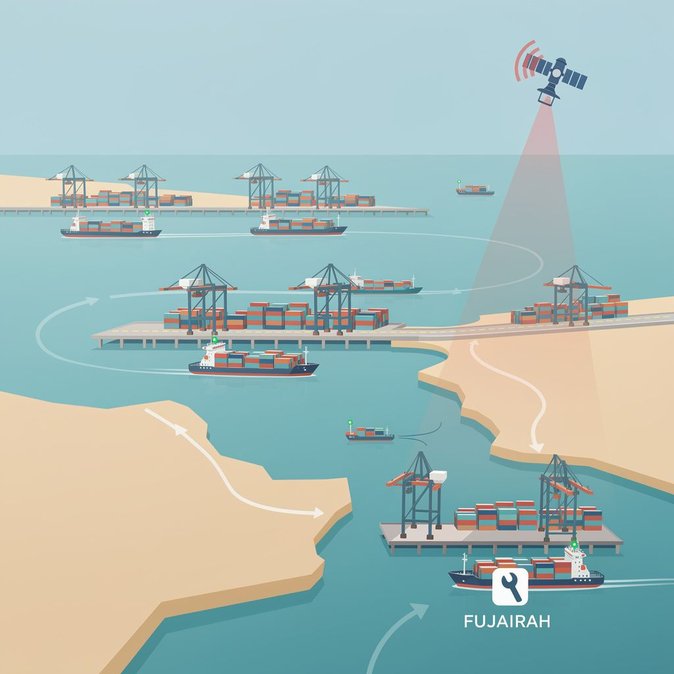
The 29 June Middle East Port Update from Lloyd’s List confirms that all major UAE maritime hubs—including Jebel Ali, Khalifa, Fujairah and Sharjah—remain at International Ship and Port Facility Security (ISPS) Level 1, the baseline security posture, despite heightened tensions in the wider Gulf. Berth 6 at Fujairah’s Oil Tanker Terminal is under maintenance, but alternative berths have been allocated to prevent congestion. Shipping agents report a three-week berthing wait for breakbulk and ro-ro vessels at Fujairah, reflecting strong demand as carriers reroute around the Red Sea. GPS spoofing and jamming incidents persist off the Fujairah coast; masters are advised to verify positional data with Doppler logs and treat the zone as high-risk. Ship-to-ship (STS) petroleum transfers in Dubai anchorage have resumed with tug assistance, though underway STS remains prohibited. Ras al Khaimah Ports will introduce a ‘Marine Risk Surcharge’ on all vessel calls, a cost factor freight forwarders should incorporate into quotes. For corporate mobility teams coordinating household-goods moves or project cargo, the bulletin offers reassurance that UAE gateways are functioning normally, even as neighbouring Kuwait maintains ISPS Level 2 at Shuaiba and Shuwaikh. Logistics managers should, however, build buffer time into schedules and monitor fresh navigational warnings. The update underscores the UAE’s resilience as a regional logistics hub during ongoing security volatility in the Strait of Hormuz. Multinationals with Gulf supply chains should keep close contact with port agents and insurers regarding potential war-risk premium adjustments.
Source: Lloyd’s List