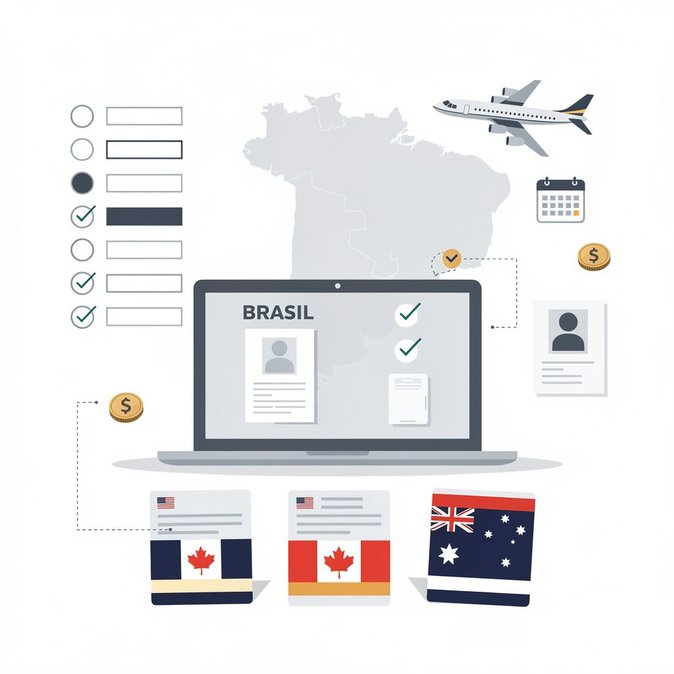
Brazilian visa consultancy Mundo dos Vistos published an updated explainer on 30 June detailing the latest rules for the Brazil eVisa, mandatory for citizens of the United States, Canada and Australia since April 2025. The article consolidates scattered consular notices into a single checklist covering fees (US$ 80.90), maximum stay (90 days per entry within 180) and common rejection triggers—most notably improper photo backgrounds and insufficient health-insurance geographical coverage. Although not an official government source, the guide reflects practice notes quietly circulated to consulates in May, including the requirement that dependants now file online instead of in person. It also highlights that eVisas can be issued for up to 10 years if the applicant’s passport allows, a boon for frequent business travellers. Corporate mobility teams should pay attention to a new pain-point: uploaded selfies must match ICAO standards, and failures account for 35 % of recent rejections according to agency statistics. The guide recommends using professional photography services and provides a downloadable template. Applications continue to be processed by VFS Global on behalf of the Ministry of Foreign Affairs, with advertised turnaround of 5-15 business days; however, anecdotal data show peak-season processing stretching to 20 days. The consultancy advises filing at least four weeks before travel and printing a hard copy of the PDF visa despite airlines’ move toward digital validation. An English translation of the guide is scheduled for early July, catering to a rising number of North American remote workers seeking Brazil’s digital-nomad residence permit, which requires an initial tourist eVisa for in-country status change.
Source: Mundo dos Vistos