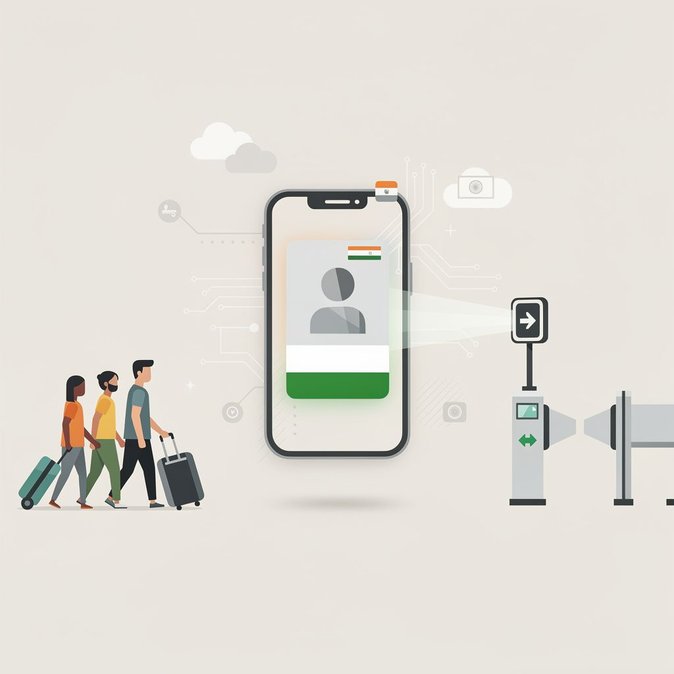
In a move welcomed by India’s 5-million-strong diaspora, Home Minister Amit Shah unveiled the electronic Overseas Citizen of India (e-OCI) card on 30 June. The initiative brings the entire OCI lifecycle—from application and document upload to approval and card issuance—onto a single digital platform, eliminating physical visits to consulates and the need to re-issue booklets each time a passport is renewed after age 20. Under the new system, applicants will receive a unique permanent registration number and can download a secure QR-coded card to their smartphones. Immigration counters at Indian airports are being equipped with handheld scanners linked to the government’s Immigration, Visa and Foreigners Registration & Tracking (IVFRT) database, allowing officers to verify OCI status in under 10 seconds. The reform follows complaints about long waiting times for booklet re-issuance—often exceeding eight months—and instances of travellers being off-loaded due to mismatched passport numbers. Digital cards also reduce fraud risk: tamper-evident metadata makes it harder to clone or alter identity details. Employers stand to gain as well. The Ministry of Civil Aviation has confirmed that e-OCI holders will be able to use the upcoming Fast-Track Immigration Trusted Traveller Programme (FTI-TTP), giving returning executives a dedicated e-gate channel similar to US Global Entry. Existing booklet holders can log on to ociservices.gov.in from 1 July to convert to the e-OCI at no extra cost. The Ministry of Home Affairs expects full transition by March 2027, after which the booklet will be phased out.
Source: The Financial Express