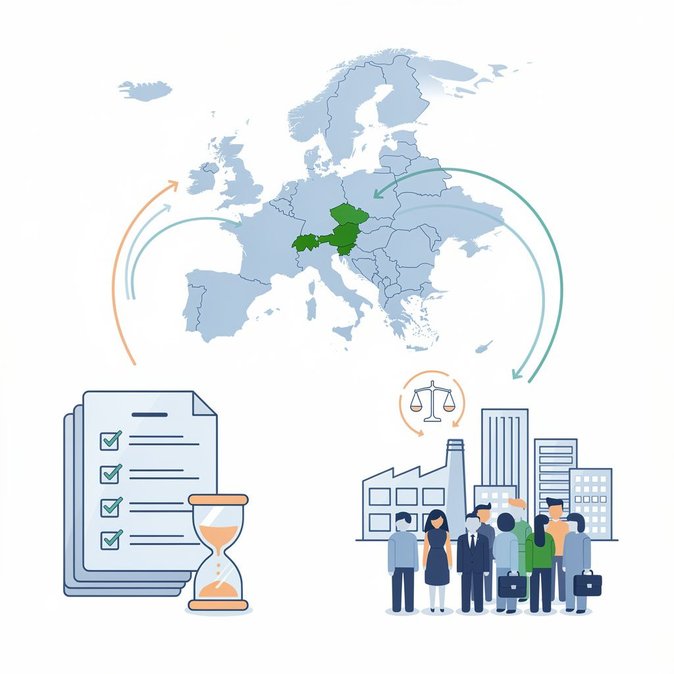
A cornerstone of the EU Pact on Migration and Asylum enters into legal force today, 1 July 2026. Regulation (EU) 2024/1351 on Asylum and Migration Management replaces the long-criticised Dublin III rules and introduces a permanent, mandatory but flexible solidarity mechanism. Crucially for corporate mobility planners, the regulation explicitly includes Ireland following a Commission decision confirming its participation. The new framework clarifies which Member State is responsible for examining an asylum claim—streamlining criteria, shortening transfer deadlines and reducing scope for “responsibility shifting” when applicants move within the bloc. It also obliges other Member States to support countries under pressure through relocations, financial contributions or operational assistance. For Ireland, which recorded a four-fold rise in applications since 2022, the change promises faster returns of applicants to the first-entry state and additional EU resources for processing backlogs. Employers should note that family-reunification cases are prioritised, which may speed up dependent-visa decisions for internationally-protected employees. Implementation is far from automatic: the Department of Justice must align national procedures with the EU-level deadlines and create IT links to the EU’s new Migration Solidarity Platform. Stakeholder consultations on draft implementing regulations are expected within weeks. Companies should monitor these because processing-time guarantees and appeal periods could shift. In comparison with the outgoing system, the regulation’s hard time limits (some as short as two months) should eventually provide more predictability for HR teams sponsoring refugee talent, but transitional growing pains and litigation are likely through 2027.
Source: EUR-Lex
How VisaHQ can help
VisaHQ simplifies the visa application process for individuals and businesses. Check current travel requirements, prepare the required documents and manage your application online through the VisaHQ Ireland portal.More From Ireland
View all
Crowd-sourced dashboard shows Irish visa appeals still stuck on November 2025—but update confirms data fresh as of 1 July 2026

Work-permit tracker IrelandStatus posts 1 July checkpoint—Critical Skills applications now up to 11 June 2026