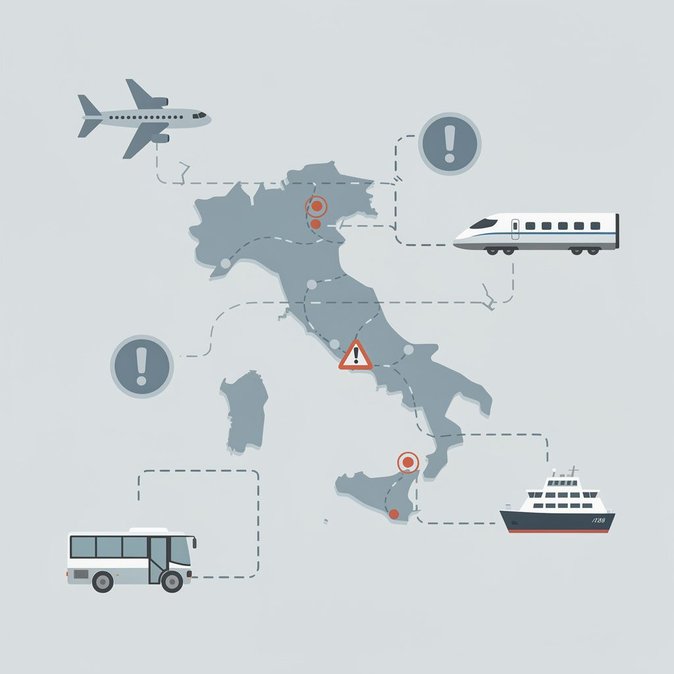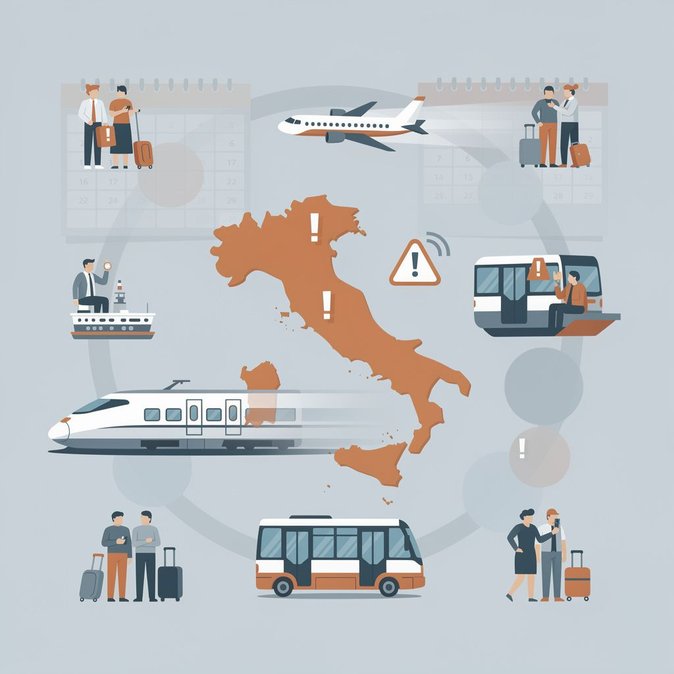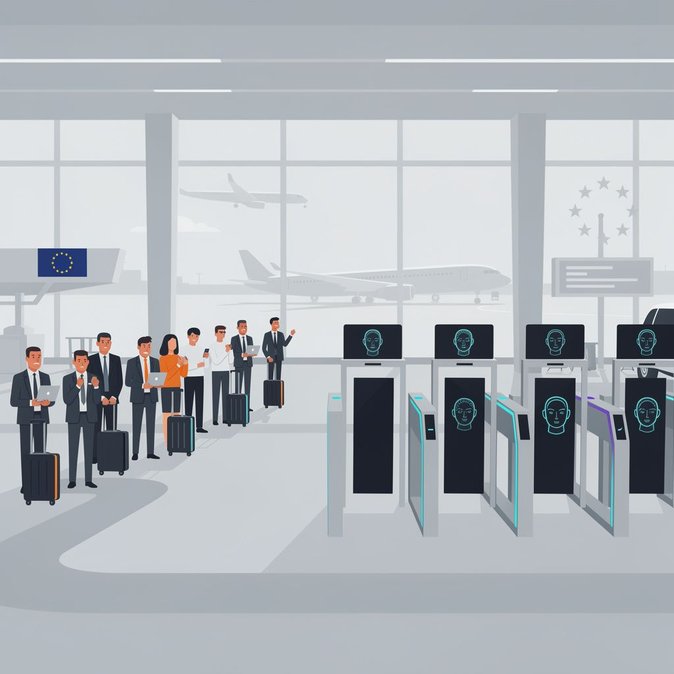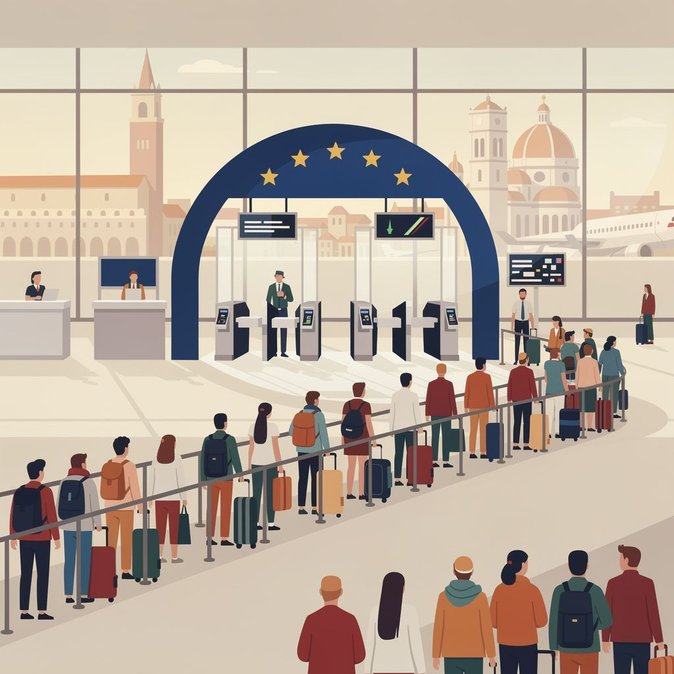
Italy’s National Association of Italian Municipalities (ANCI) has written an urgent letter to Foreign Minister Antonio Tajani and Interior Minister Matteo Piantedosi warning that the EU’s new Entry/Exit System (EES) is already creating hours-long lines at airports and land borders only three months after its nationwide launch on 10 April 2026. ANCI president Gaetano Manfredi notes that the biometric registration requirement for all non-Schengen travellers – fingerprints and a facial photo on first entry – has slowed passport control to the point where airports have had to cordon off additional space and redeploy staff, while local police face overtime shortages. Municipalities fear that July-August tourist peaks will trigger gridlock that ripples into local transport, taxi availability and critical public services. In the letter seen by Agenzia Nova, ANCI argues for “transitory and flexible” solutions, including temporary waivers for repeat travellers already registered in the system, mobile enrolment teams to reduce queuing inside terminals, and rapid funding to hire 600 additional border officers at Rome Fiumicino, Milan Malpensa and Venice. The association also wants the government to press Brussels for emergency derogations similar to those granted to Greece earlier this year. Why it matters: Italy is banking on a record-breaking summer after setting a post-pandemic arrival record of 98 million foreign visitors in 2025. Lengthy border waits risk missed flight connections, negative social-media coverage and lost revenue for hotels and tour operators. Employers with large expatriate or commuter populations need to warn staff of possible multi-hour arrivals processing and build extra time into itineraries. Travel managers should monitor whether the Interior Ministry adopts ANCI’s proposals; any authorised waivers could significantly cut door-to-door journey times. Context: The EES is an EU-wide border-management upgrade designed to replace manual passport stamps and automatically calculate permitted stay days. Italy completed full deployment at airports in March and at the Mont Blanc and Brenner land crossings in April. Unlike France and Spain, Italy did not stagger implementation by port of entry, leading to a steeper learning curve for frontline officers. Practical tips: HR departments should advise non-EU assignees entering Italy for the first time since April to pre-enrol travel history in their airline apps where available, carry printed proof of Italian accommodation, and expect longer queues between 06:00 and 11:00 and 16:00-22:00. Companies running group moves in July should consider charter arrivals at regional airports such as Verona or Bari, which currently report shorter EES lines.
Source: Agenzia Nova