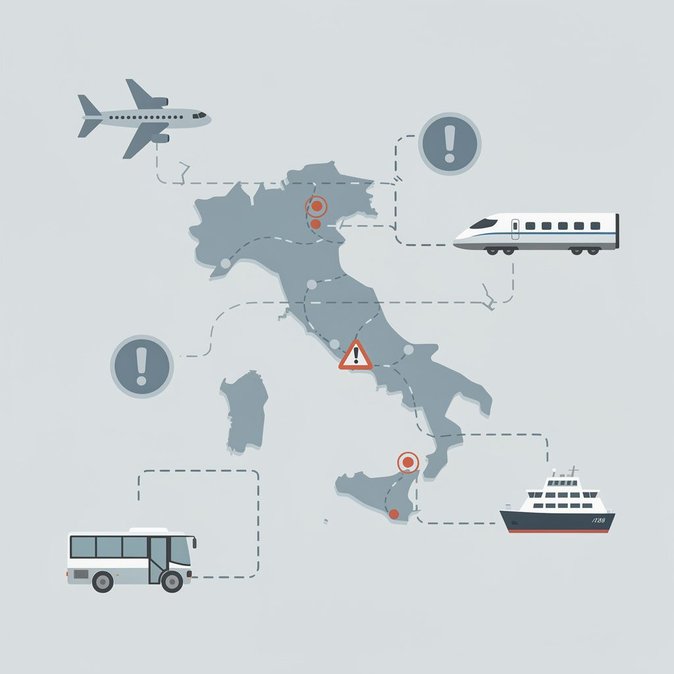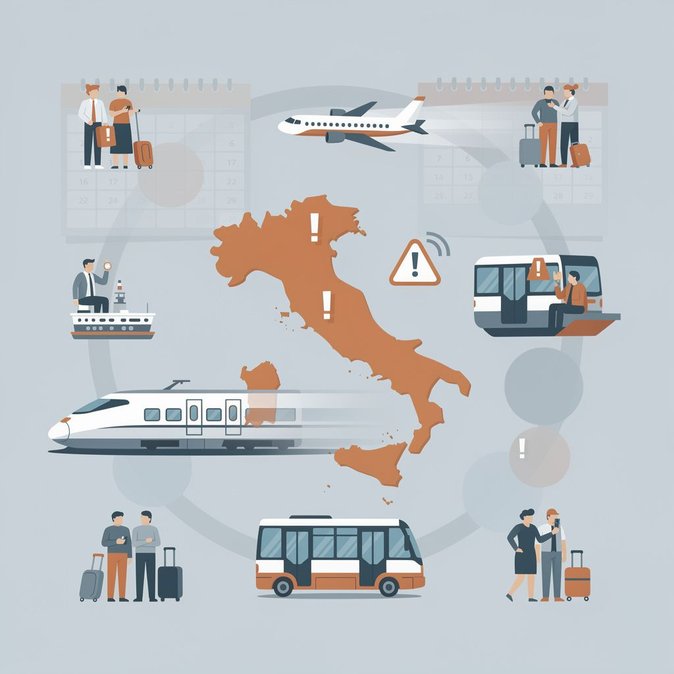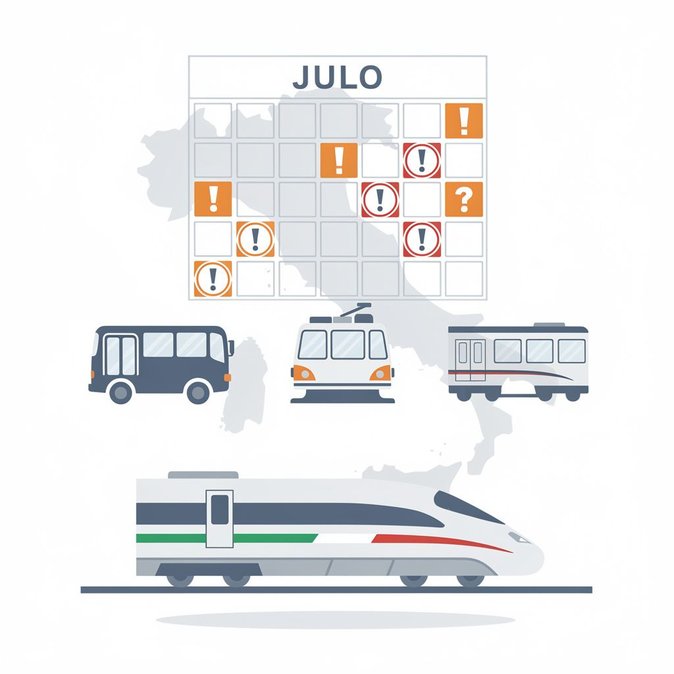
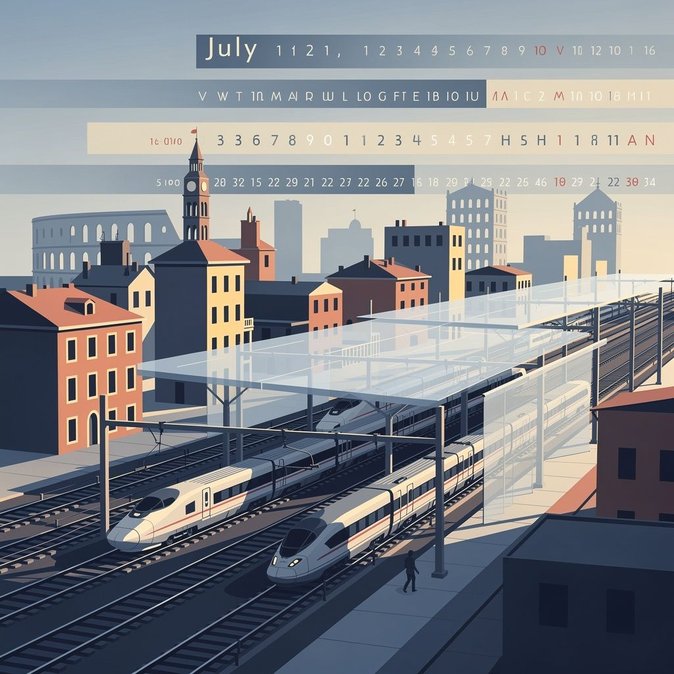
A Sky TG24 review published on 1 July lays out a packed calendar of industrial action set to disrupt Italy’s transport network throughout the month. High-profile walkouts include a 23-hour strike by Italo high-speed-rail staff on 9–10 July, regional Trenitalia stoppages on 15 July, and local-transport protests in Naples (11 July) and Florence (18 July).
![July strike calendar signals rail, metro and ferry disruption across Italy]()
If timetable turmoil forces travellers to change dates or extend their stay, VisaHQ can streamline the process of securing or amending Italian visas and related documents—its online platform (https://www.visahq.com/italy/) provides quick turnaround options that can save valuable time when schedules shift unexpectedly.
While none of the actions is nationwide, their cumulative effect could snarl intra-Italian itineraries for tourists and business travellers alike. The 9-July Italo stoppage, for example, falls between the 5-July aviation strike and the 15-July regional rail strike, raising the risk of rolling delays on the crucial Rome–Milan corridor. Ferry operators serving Sardinia and Sicily have also filed strike notices for 22 July, citing fuel-cost pressures as the summer peak approaches. Under Italy’s “Servizi Minimi” law, rail operators must guarantee a skeleton timetable during two rush-hour windows, but many long-distance Frecciarossa and Italo services outside those slots will be cancelled. Mobility managers should build extra buffer time into agendas, consider overnight stays near meeting venues, and keep an eye on airline seat availability as travellers shift from rail to air. Sky TG24’s list is updated daily; companies are advised to subscribe to alert services and remind staff that tickets cancelled because of strikes can usually be exchanged or refunded without penalty, provided requests are filed before scheduled departure.
If timetable turmoil forces travellers to change dates or extend their stay, VisaHQ can streamline the process of securing or amending Italian visas and related documents—its online platform (https://www.visahq.com/italy/) provides quick turnaround options that can save valuable time when schedules shift unexpectedly.
While none of the actions is nationwide, their cumulative effect could snarl intra-Italian itineraries for tourists and business travellers alike. The 9-July Italo stoppage, for example, falls between the 5-July aviation strike and the 15-July regional rail strike, raising the risk of rolling delays on the crucial Rome–Milan corridor. Ferry operators serving Sardinia and Sicily have also filed strike notices for 22 July, citing fuel-cost pressures as the summer peak approaches. Under Italy’s “Servizi Minimi” law, rail operators must guarantee a skeleton timetable during two rush-hour windows, but many long-distance Frecciarossa and Italo services outside those slots will be cancelled. Mobility managers should build extra buffer time into agendas, consider overnight stays near meeting venues, and keep an eye on airline seat availability as travellers shift from rail to air. Sky TG24’s list is updated daily; companies are advised to subscribe to alert services and remind staff that tickets cancelled because of strikes can usually be exchanged or refunded without penalty, provided requests are filed before scheduled departure.