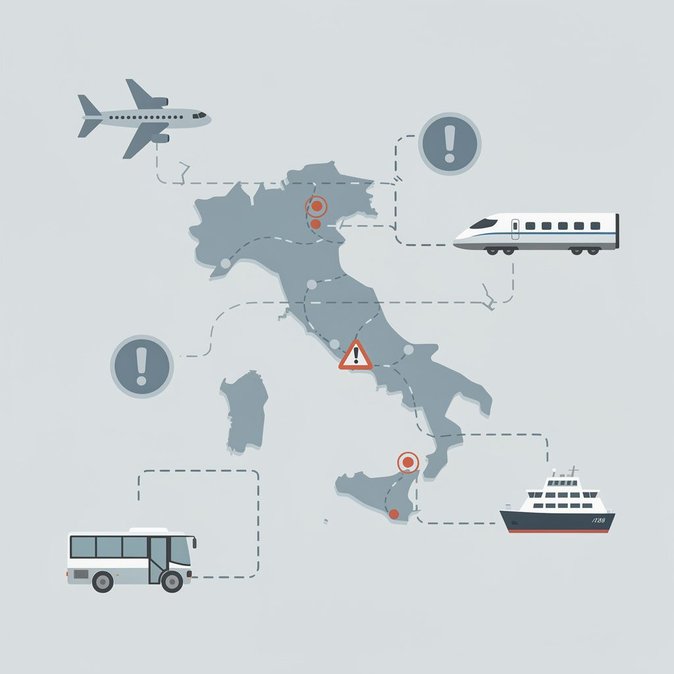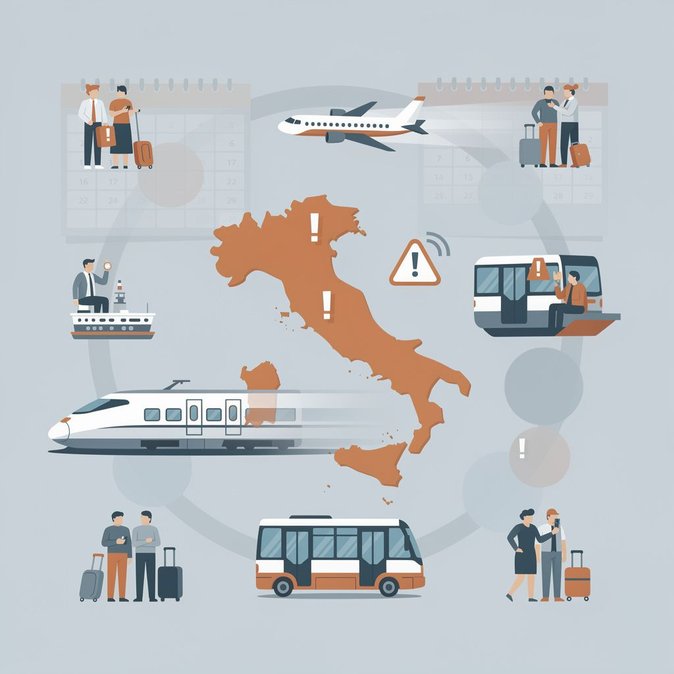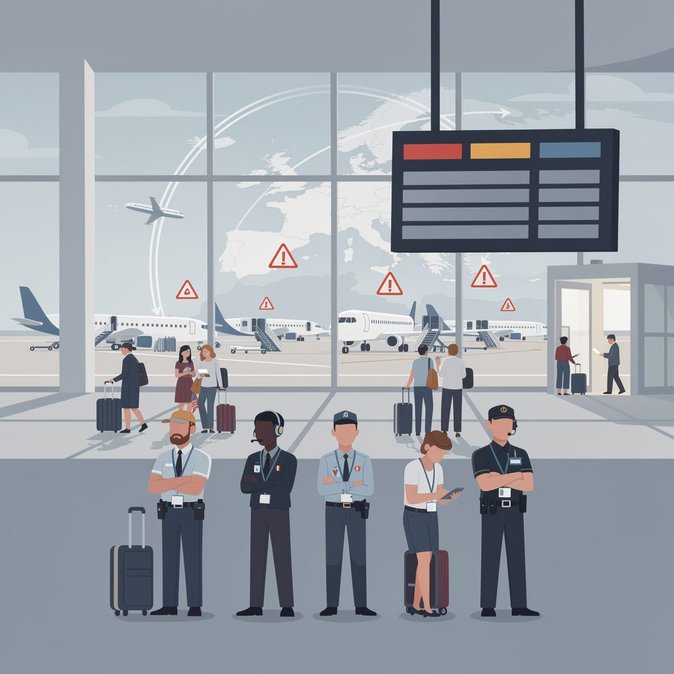
Italy is bracing for its second sector-wide aviation walkout this summer, with unions representing ground-handling staff, air-traffic controllers and security screeners calling a 24-hour strike for Friday, 5 July. The protest—confirmed on 1 July—will hit Rome Fiumicino, Rome Ciampino, Milan Malpensa and dozens of regional airports.
![Nation-wide aviation strike on 5 July threatens flight cancellations at Rome and Milan hubs]()
If your travellers still need to arrange or update visas and other travel documents before the strike, VisaHQ can step in to help. The service’s dedicated Italy page (https://www.visahq.com/italy/) offers streamlined, guided applications for visas, passports and ETIAS pre-authorisations, letting mobility managers off-load paperwork and focus on rebooking flights.
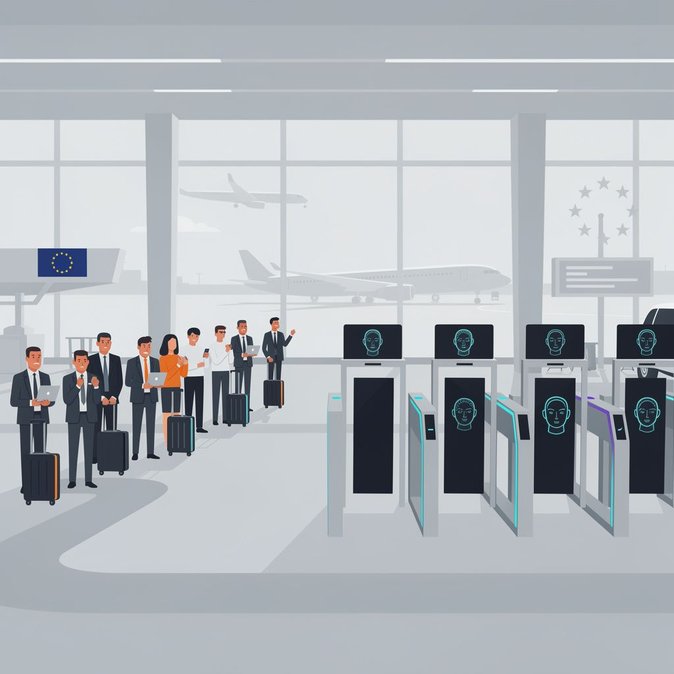
Unions Filt-Cgil, Uiltrasporti and Ugl Trasporto Aereo are demanding higher summer-season bonuses and clearer rosters following the introduction of biometric border checks that they say have added workload without extra pay. Airlines have begun pre-emptive cancellations: ITA Airways has already pulled 180 domestic and European sectors, while easyJet has trimmed late-evening rotations to safeguard aircraft positioning. Under Italian law, carriers must still operate “guaranteed” flights in two protected windows—07:00–10:00 and 18:00–21:00—but passengers outside those slots should expect disruption. For business travellers the timing is awkward. Milan Fashion Week men’s events end on 6 July and many delegates plan to depart that weekend. Companies with tight production schedules should consider rerouting via Bologna or Verona, which expect lighter impact, or shift meetings online. Ground transport is also likely to feel the knock-on effect as taxi queues and rail seats sell out quickly on strike days. The Ministry of Transport says talks are ongoing but advises ticket-holders to check airline websites 48 hours before departure. Mobility teams should remind travellers that refunds or re-routing rights apply under EU261, although compensation does not, as strikes are deemed “extraordinary circumstances”.
If your travellers still need to arrange or update visas and other travel documents before the strike, VisaHQ can step in to help. The service’s dedicated Italy page (https://www.visahq.com/italy/) offers streamlined, guided applications for visas, passports and ETIAS pre-authorisations, letting mobility managers off-load paperwork and focus on rebooking flights.
Unions Filt-Cgil, Uiltrasporti and Ugl Trasporto Aereo are demanding higher summer-season bonuses and clearer rosters following the introduction of biometric border checks that they say have added workload without extra pay. Airlines have begun pre-emptive cancellations: ITA Airways has already pulled 180 domestic and European sectors, while easyJet has trimmed late-evening rotations to safeguard aircraft positioning. Under Italian law, carriers must still operate “guaranteed” flights in two protected windows—07:00–10:00 and 18:00–21:00—but passengers outside those slots should expect disruption. For business travellers the timing is awkward. Milan Fashion Week men’s events end on 6 July and many delegates plan to depart that weekend. Companies with tight production schedules should consider rerouting via Bologna or Verona, which expect lighter impact, or shift meetings online. Ground transport is also likely to feel the knock-on effect as taxi queues and rail seats sell out quickly on strike days. The Ministry of Transport says talks are ongoing but advises ticket-holders to check airline websites 48 hours before departure. Mobility teams should remind travellers that refunds or re-routing rights apply under EU261, although compensation does not, as strikes are deemed “extraordinary circumstances”.