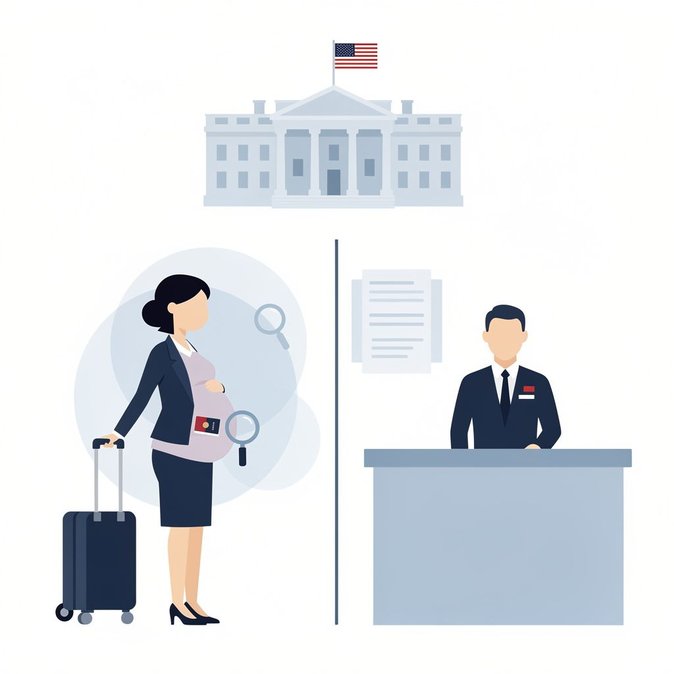
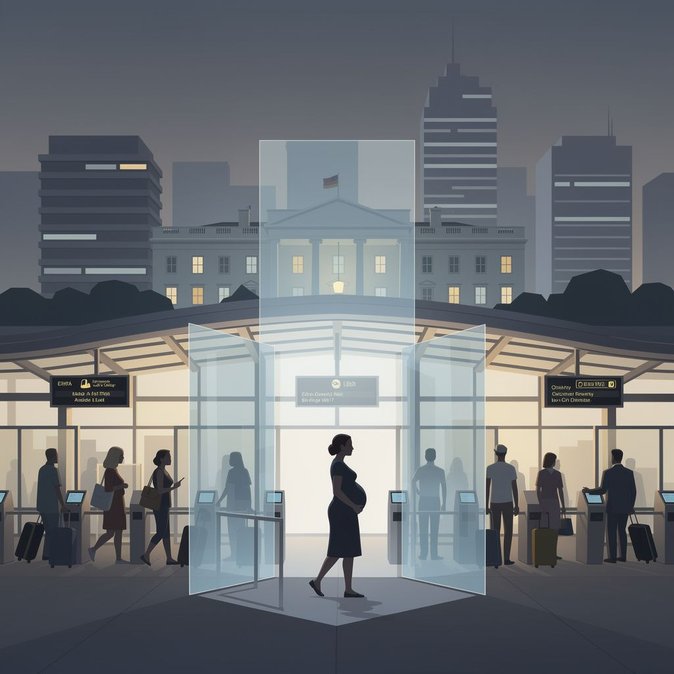
Barely a day after the Supreme Court preserved birthright citizenship, senior administration figures floated a dramatic shift in entry policy: refusing admission to pregnant foreign nationals who lack an immigrant visa. Axios reported late on July 1 that internal discussions are underway to create a “pregnancy bar” at visa-issuing posts and ports-of-entry, with the Justice Department already directing prosecutors to intensify criminal probes of commercial birth-tourism networks. The proposal revives a 2020 State Department rule that required consular officers to presume pregnancy if an applicant’s purpose of travel appeared linked to childbirth, but goes further by envisioning direct screening at the border.
![Administration weighs barring pregnant foreign visitors after Supreme Court loss]()
For travelers and corporate mobility teams weighing the impact of such a rule, VisaHQ offers real-time guidance on U.S. entry requirements, helps users identify the right visa category, and streamlines filings through its online portal. Visit https://www.visahq.com/united-states/ to access tailored support and updates as policies evolve.
Implementing such a policy would require new guidance for Customs and Border Protection officers and likely face immediate legal challenges on due-process and discrimination grounds. If adopted, the measure could complicate business travel for female employees in the later stages of pregnancy, intensify privacy concerns around medical data at U.S. airports and increase litigation risk for companies whose global mobility policies intersect with family-planning choices. Travel-risk teams should monitor draft regulations and prepare updated FAQs for relocating employees.
For travelers and corporate mobility teams weighing the impact of such a rule, VisaHQ offers real-time guidance on U.S. entry requirements, helps users identify the right visa category, and streamlines filings through its online portal. Visit https://www.visahq.com/united-states/ to access tailored support and updates as policies evolve.
Implementing such a policy would require new guidance for Customs and Border Protection officers and likely face immediate legal challenges on due-process and discrimination grounds. If adopted, the measure could complicate business travel for female employees in the later stages of pregnancy, intensify privacy concerns around medical data at U.S. airports and increase litigation risk for companies whose global mobility policies intersect with family-planning choices. Travel-risk teams should monitor draft regulations and prepare updated FAQs for relocating employees.