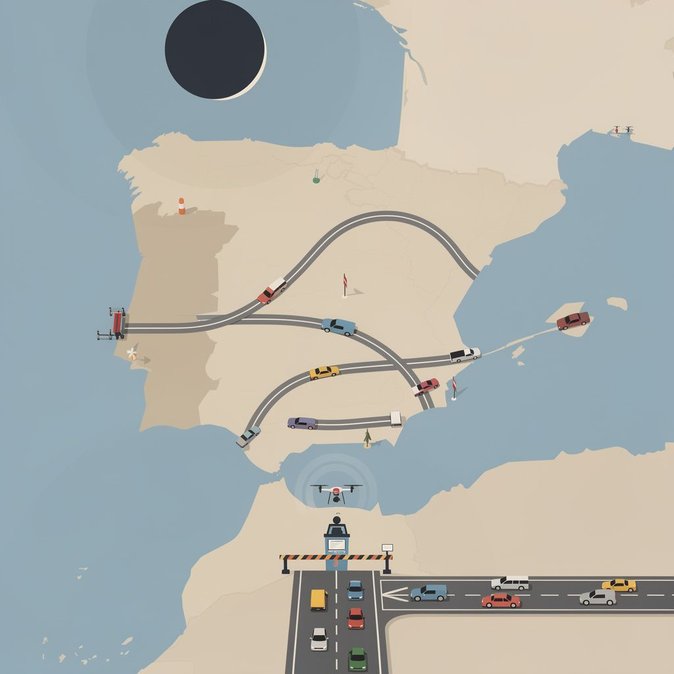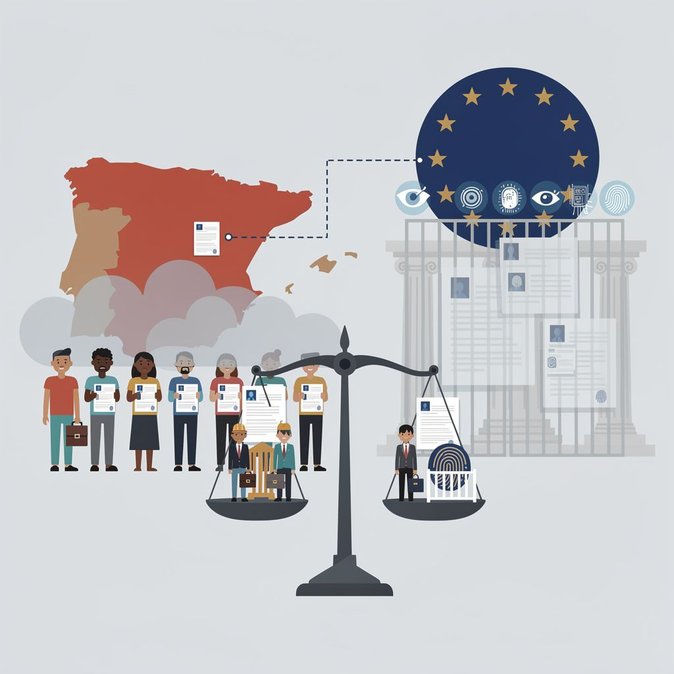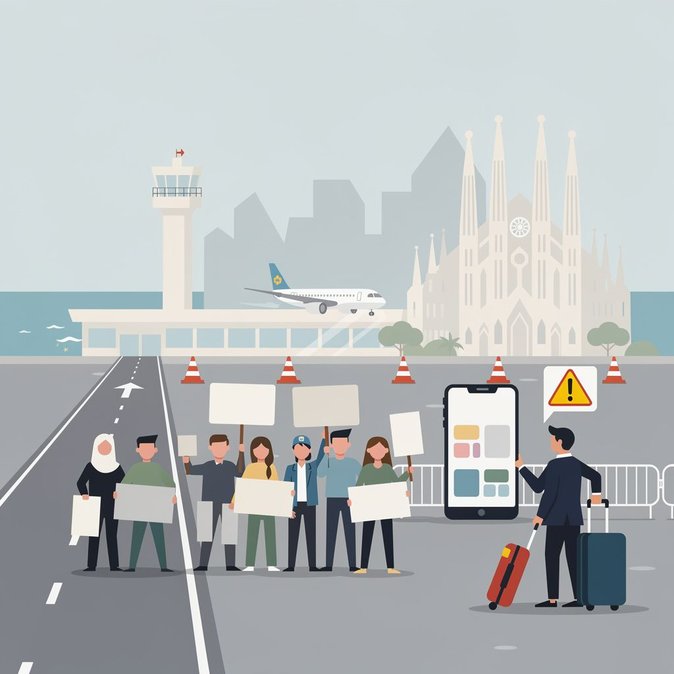
Spain’s Foreign Ministry elevated its advisory for Barcelona province from Level 2 (exercise increased caution) to Level 3 (reconsider travel) on 3 July 2026, citing escalating street protests against mass tourism and housing costs. Demonstrations that began on 22 June have blocked parts of the A-2 and C-31 ring-roads, disrupted taxi ranks at El Prat airport and forced the Sagrada Familia to close early on two consecutive evenings. Police confirmed 47 arrests and three minor injuries to officers as of 2 July. The protests coincide with the first weekend of Spain’s “Operación Salida” summer exodus and could dent business-travel confidence at the height of conference season; the Mobile World Capital foundation estimates that Barcelona hosts 1,500 corporate events between July and September. Hotel association Gremi d’Hotels reports an 18 percent spike in cancellations for July bookings since the advisory took effect. For organisations sending travellers to Catalonia, key risks are road-block delays of one-to-two hours on routes between the airport and city centre, sporadic metro stoppages on Lines L1 and L3, and limited taxi availability after 18:00. Travel managers should build additional buffer time into itineraries, monitor local media via Catalan Civil Protection’s Twitter feed, and advise employees to avoid wearing company badges near protest hotspots such as Las Ramblas, Plaça Catalunya and the Born district. The Foreign Ministry will review the advisory weekly. Officials say it could be downgraded once nightly demonstrations fall below 300 participants and public-order incidents cease for seven consecutive days, but unions representing the protest movement have vowed to maintain “creative disruptions” until the city curbs short-term holiday rentals. Corporate mobility teams should therefore expect at least two more weeks of heightened caution.
Source: Atlas Guide