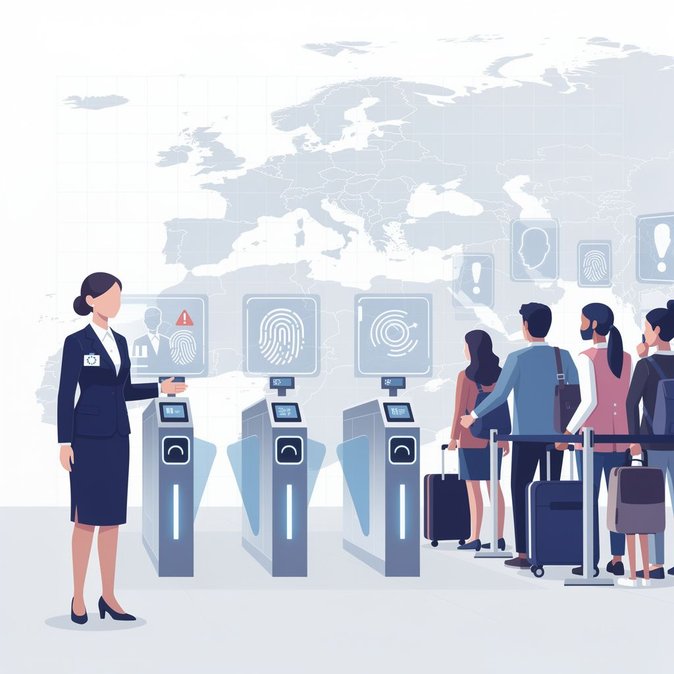
Speaking in Cork on 3 July, European Commission president Ursula von der Leyen defended the new Schengen Entry/Exit System (EES) as a tool for “more transparency” but acknowledged that several member states—including Italy—had raised technical concerns that must be resolved before full roll-out later this year.
Italian border police unions complain that biometric kiosks delivered to airports still lack Italian-language interfaces and that data exchange with the national “Piattaforma Visa” times out during peak hours. Car-rental associations fear longer queues at land borders during the August holiday exodus if the glitches persist. Von der Leyen said Brussels is “working with national IT teams and Frontex” to optimise software patches and to stagger deployment.
Travel document consultancy VisaHQ says many of these implementation hiccups are prompting companies and individual travellers to seek expert guidance. From its Italy-dedicated portal the firm helps users verify Schengen allowances, prepare biometric submissions and troubleshoot visa issues that could be amplified once the EES goes live.
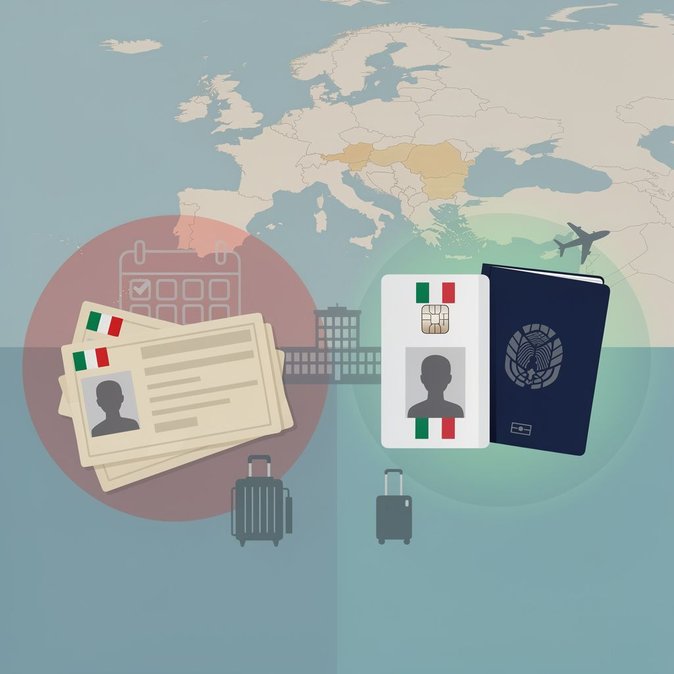
For Italian businesses, the EES will end passport stamping and instead record each non-EU traveller’s entry and exit automatically—a change that HR departments must understand when calculating Schengen-area day counts for business visitors. Failure to leave before authorised stay will trigger automatic overstays in the system, complicating future visa applications. Travel-management companies are urging clients to update traveller profiles with biometric-data consent ahead of time to avoid airport bottlenecks.
Meanwhile, privacy advocates in Rome demand assurances that stored fingerprints will not flow to national criminal databases without judicial oversight. The Commission will present an implementation progress report on 15 September; Italian stakeholders hope remaining technical bugs are fixed well before the Christmas travel peak.
Italian border police unions complain that biometric kiosks delivered to airports still lack Italian-language interfaces and that data exchange with the national “Piattaforma Visa” times out during peak hours. Car-rental associations fear longer queues at land borders during the August holiday exodus if the glitches persist. Von der Leyen said Brussels is “working with national IT teams and Frontex” to optimise software patches and to stagger deployment.
Travel document consultancy VisaHQ says many of these implementation hiccups are prompting companies and individual travellers to seek expert guidance. From its Italy-dedicated portal the firm helps users verify Schengen allowances, prepare biometric submissions and troubleshoot visa issues that could be amplified once the EES goes live.
For Italian businesses, the EES will end passport stamping and instead record each non-EU traveller’s entry and exit automatically—a change that HR departments must understand when calculating Schengen-area day counts for business visitors. Failure to leave before authorised stay will trigger automatic overstays in the system, complicating future visa applications. Travel-management companies are urging clients to update traveller profiles with biometric-data consent ahead of time to avoid airport bottlenecks.
Meanwhile, privacy advocates in Rome demand assurances that stored fingerprints will not flow to national criminal databases without judicial oversight. The Commission will present an implementation progress report on 15 September; Italian stakeholders hope remaining technical bugs are fixed well before the Christmas travel peak.