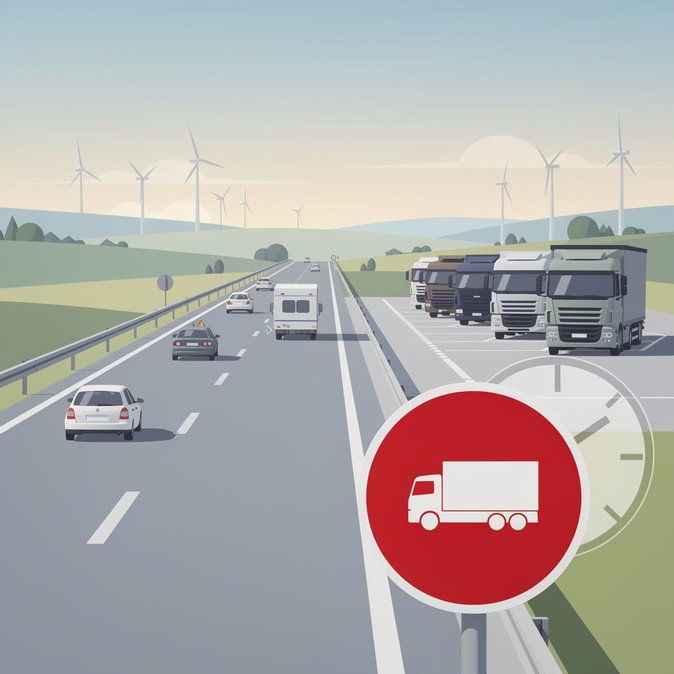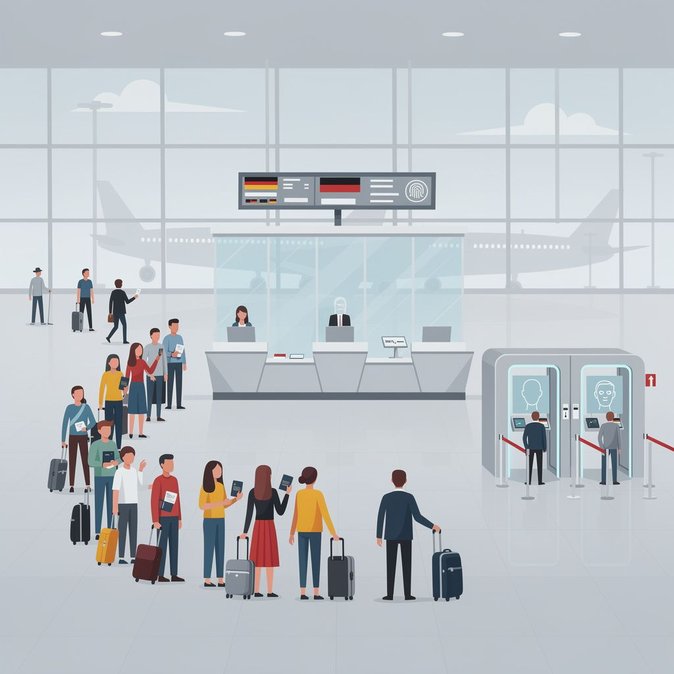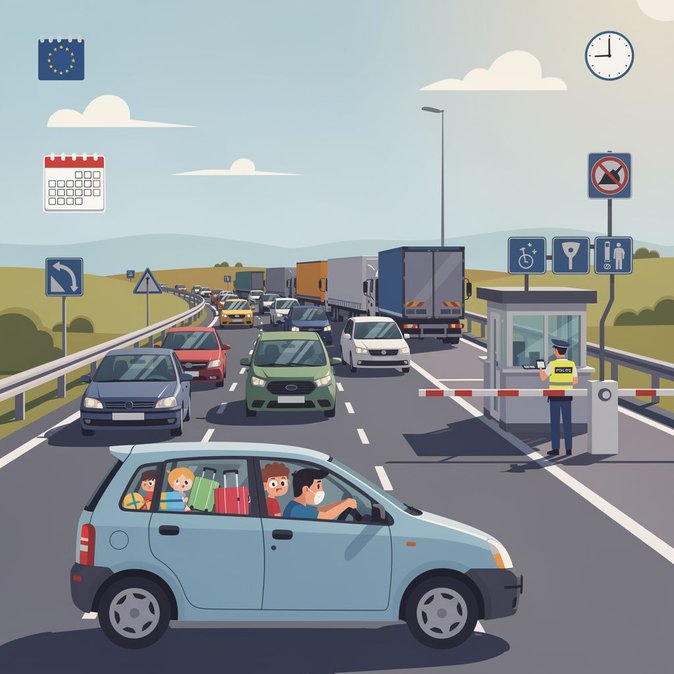
The first big getaway weekend of the 2026 summer holidays turned into a test of patience at Germany’s land borders. By Friday afternoon, 3 July, stationary controls re-introduced in 2024 had created tailbacks of up to 20 kilometres on the A3 near Passau and long queues at the Aachen and Kehl crossings, according to a report published at 16:52 CEST by news portal Harianbasis. Police unions defended the operation, citing 35,000 refusals of entry and 47,659 illegal-migration detections since the controls were expanded. Yet tourism bodies and local mayors warned of “millions of euros in lost revenue” and called for smarter, risk-based checks. Opposition MPs accused Interior Minister Alexander Dobrindt of “symbolic politics” that diverts thousands of officers from rail stations and airports just as passenger volumes peak. Industry groups said delays hit not only holidaymakers but also cross-border commuters and just-in-time deliveries. Saarbrücken’s mayor Uwe Conradt asked Berlin to suspend the controls by mid-September to protect local business. North-Rhine Westphalia’s government echoed the plea, arguing that unannounced spot checks and mobile patrols would curb smuggling without paralysing traffic. With EU interior ministers set to review intra-Schengen controls in early August, business-travel managers should monitor potential schedule changes and warn staff driving rental cars to allow extra time at frontier bottlenecks.
Source: Harianbasis