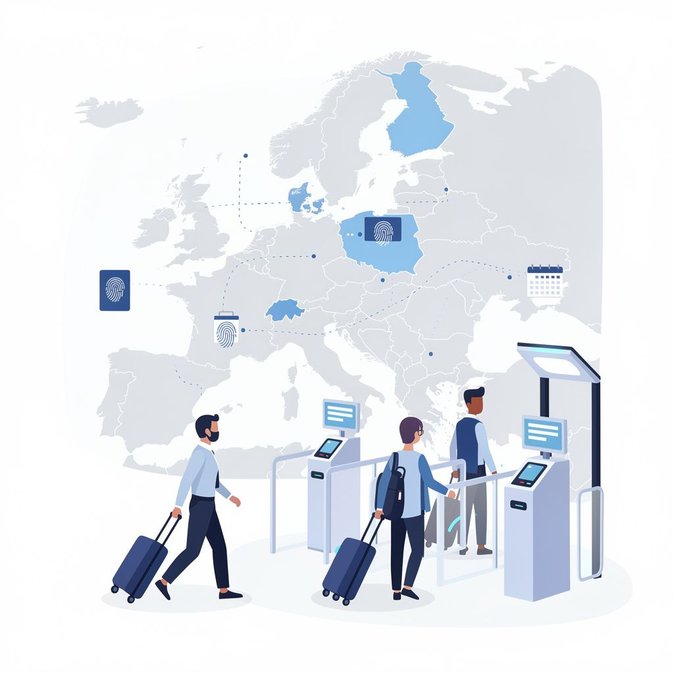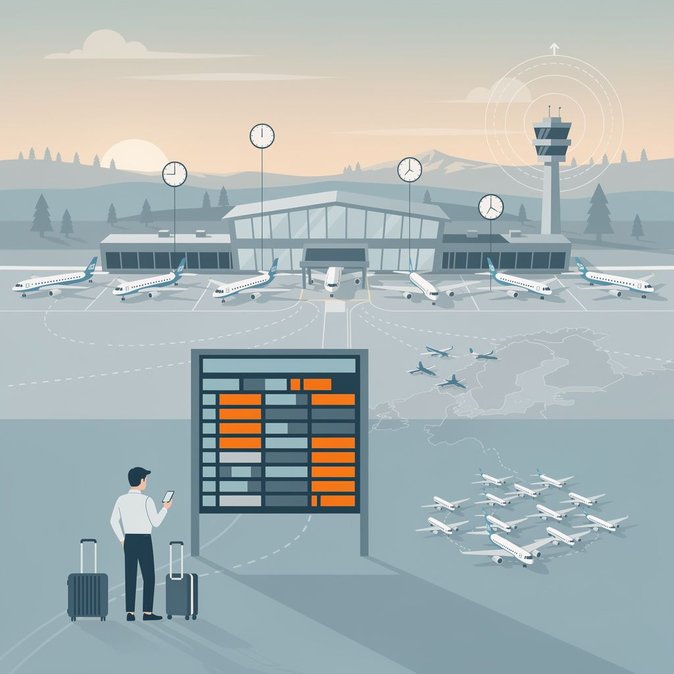
Helsinki-Vantaa Airport—Finland’s main international gateway—experienced an unusually heavy wave of disruption on 3 July when 125 flights were delayed and four were cancelled across Finnair, Lufthansa, Ryanair, KLM, Air Baltic, SAS and several other carriers. Flight-tracking boards show punctuality began deteriorating in the early-morning European bank and spiralled throughout the day as aircraft and crews rotated in and out of schedule. Finnair, which operates more than 65 % of the airport’s movements, bore the brunt, with late-running domestic feeders to Oulu, Kuopio and Rovaniemi rippling into its European network. Partner airlines that rely on Helsinki as a transfer node—such as Japan Airlines and American Airlines—were forced to rebook onward passengers when inbound connections mis-connected. Behind the scenes, operations teams blamed a perfect storm: peak-season demand, tight crew and aircraft availability after a stronger-than-expected rebound in Asia traffic, and air-traffic-control flow restrictions over the Baltic Sea corridor. Adding to the strain were longer border-control processing times for some non-EU passengers as Finland aligns with the EU’s new biometric Entry/Exit System (EES). Although only four services were outright cancelled, the high volume of 20- to 90-minute delays left thousands of travellers queueing at help-desks and scrambling for hotel beds. From a corporate-mobility perspective the knock-on effects were significant. Helsinki is the primary hub for Nordic business itineraries into Asia; even modest delays can break “day-of-departure” meeting schedules in Tokyo, Shanghai or Singapore, especially for travellers ticketed on tight 40- to 50-minute inter-European connections. Travel-management companies (TMCs) reported spikes in re-issuance activity as firms moved executives onto later long-haul departures or re-routed them via Frankfurt and Copenhagen. Carriers reminded customers that EU261 compensation does not usually apply when delays are caused by downstream air-traffic-control constraints. Finavia, the airport operator, says operations have now stabilised but urges passengers to arrive at least three hours before departure through mid-July. Finnair has opened additional staffed desks in Terminal 2 and is pushing real-time re-booking to its mobile app to reduce queue lengths. The episode underscores how little slack remains in Europe’s summer schedules and how even well-organised mid-size hubs can gridlock quickly. Business travellers should build longer connection buffers, keep airline apps turned on for push alerts and ensure corporate travel policies allow same-day re-routes when Helsinki bottlenecks recur.
Source: The Traveler
How VisaHQ can help
VisaHQ simplifies the visa application process for individuals and businesses. Check current travel requirements, prepare the required documents and manage your application online through the VisaHQ Finland portal.More From Finland
View all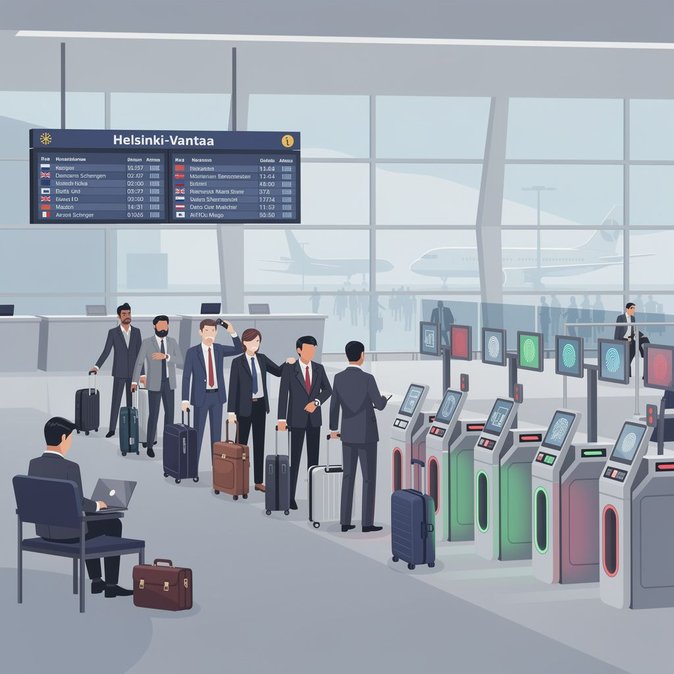
EU Entry/Exit bottlenecks spark warnings for Finland-bound summer travellers
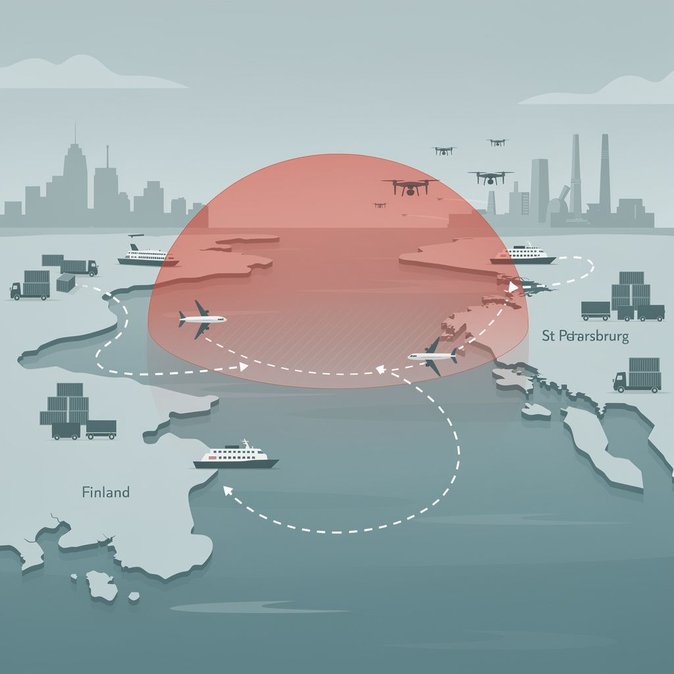
Finland briefly closes Gulf of Finland air and sea lanes after Ukrainian drone strikes near St Petersburg